
Asian tattoo styles hold a unique appeal – it's more than just the beautiful imagery. It’s about connecting with centuries of history and profound symbolism. From the dramatic Japanese Irezumi to the subtle beauty of Korean designs and the powerful motifs of Chinese art, these tattoos offer a glimpse into ancient cultures.
Understanding the Core Styles
Japanese Irezumi
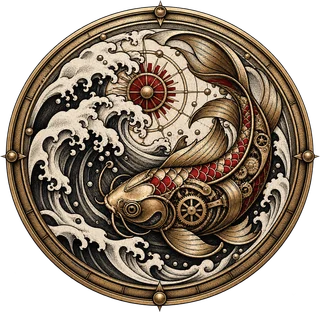
Irezumi is instantly recognizable, often featuring full-body suits showcasing mythical creatures. Think dragons and koi fish—each element isn't just decorative; it carries deep meaning. A dragon might represent courage, a koi symbolizes perseverance, and so on. The process itself is steeped in tradition and demands respect.
Korean Traditional Tattoos
Korean tattoos draw from shamanistic beliefs and folklore, creating a visual narrative of heritage. You’ll often see animals like the haechi—a guardian spirit—alongside scenes of nature and ancestral symbols. It's really about telling a story through ink.
Chinese Art & Motifs
Dragons embody power and wisdom, phoenixes represent rebirth—classic symbols that resonate deeply. Bamboo, for example, signifies resilience and strength. These designs are frequently combined with calligraphy to add layers of meaning.
Finding a Skilled Artist
When looking for an artist, prioritize studios that specialize in Asian tattoo styles. Really take the time to examine their portfolios; authenticity is key here. A truly skilled artist will not only execute the design beautifully but also understand and respect its cultural significance.
Beyond Aesthetics: Respect & Aftercare
These tattoos are more than just artwork; they’re a tangible connection to heritage. Approach the process with reverence, do some research into the symbolism you've chosen, and follow your artist's aftercare instructions carefully. Proper healing is essential.