
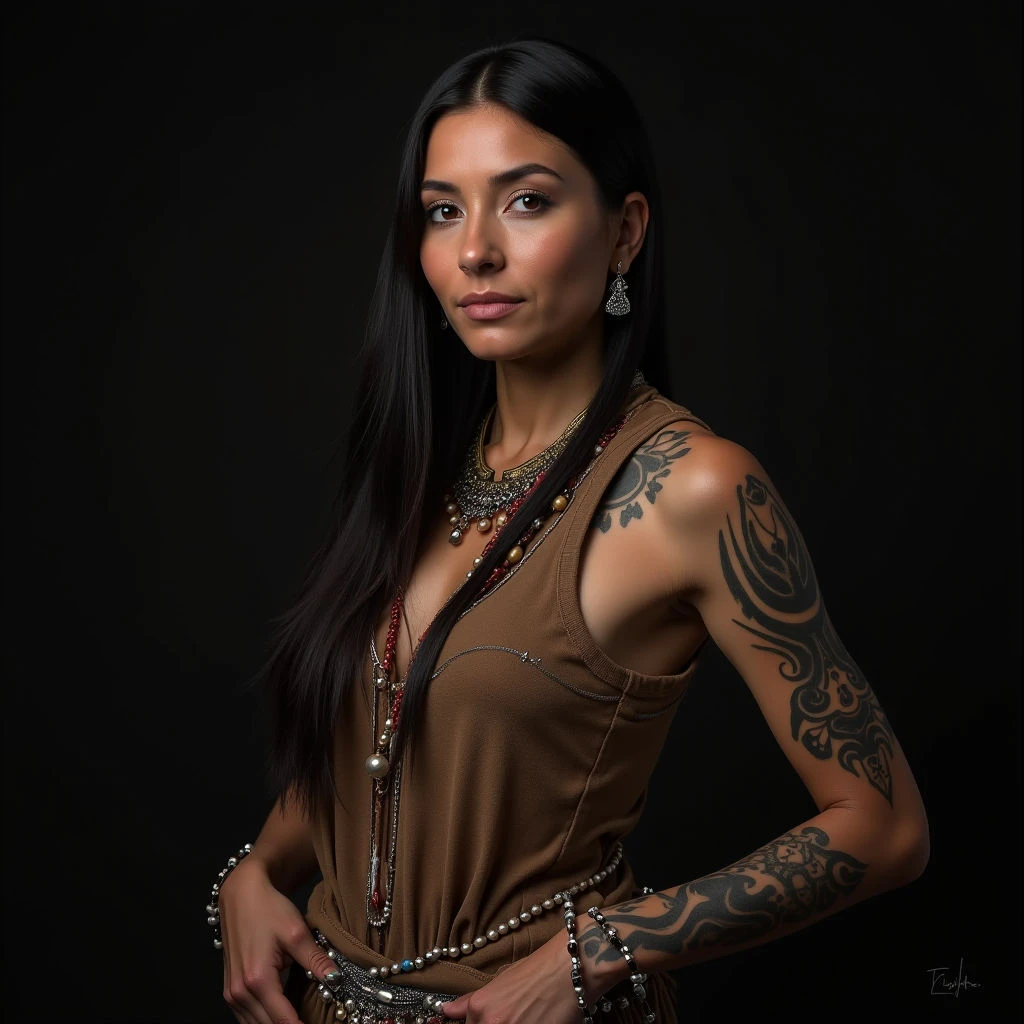
For many Indigenous women, tattoos are far more than just decoration—they’re powerful statements of identity, a link to ancestors, and a deep connection to the land. It's vital, though, that we approach these traditions with genuine respect and understanding; cultural misappropriation can be deeply hurtful.
Understanding Cultural Significance
Traditional Native American tattooing practices weren't uniform—they varied significantly between tribes. Symbols like eagle feathers (representing courage and freedom), dreamcatchers (intended for protection, not mere decoration), and medicine wheels (symbolizing balance and harmony) carry profound spiritual weight. Before even considering a tattoo, it’s essential to learn the true history and meaning behind any symbol.
Empowering Designs
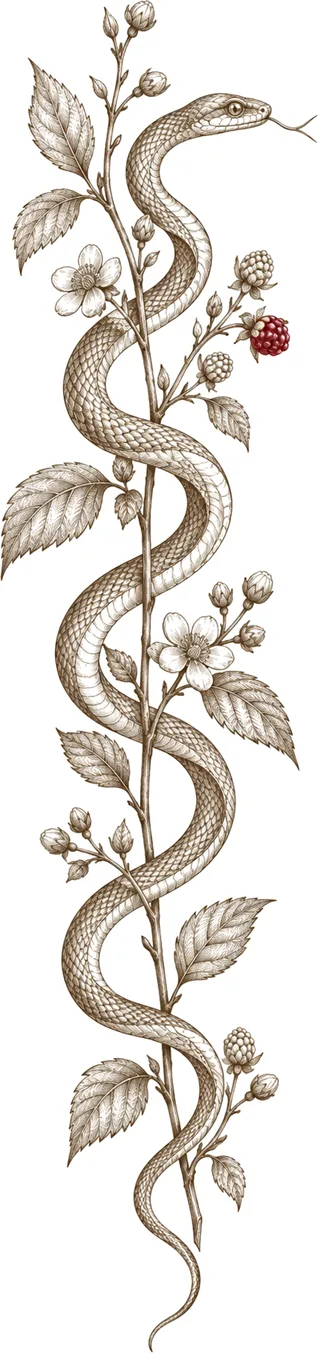
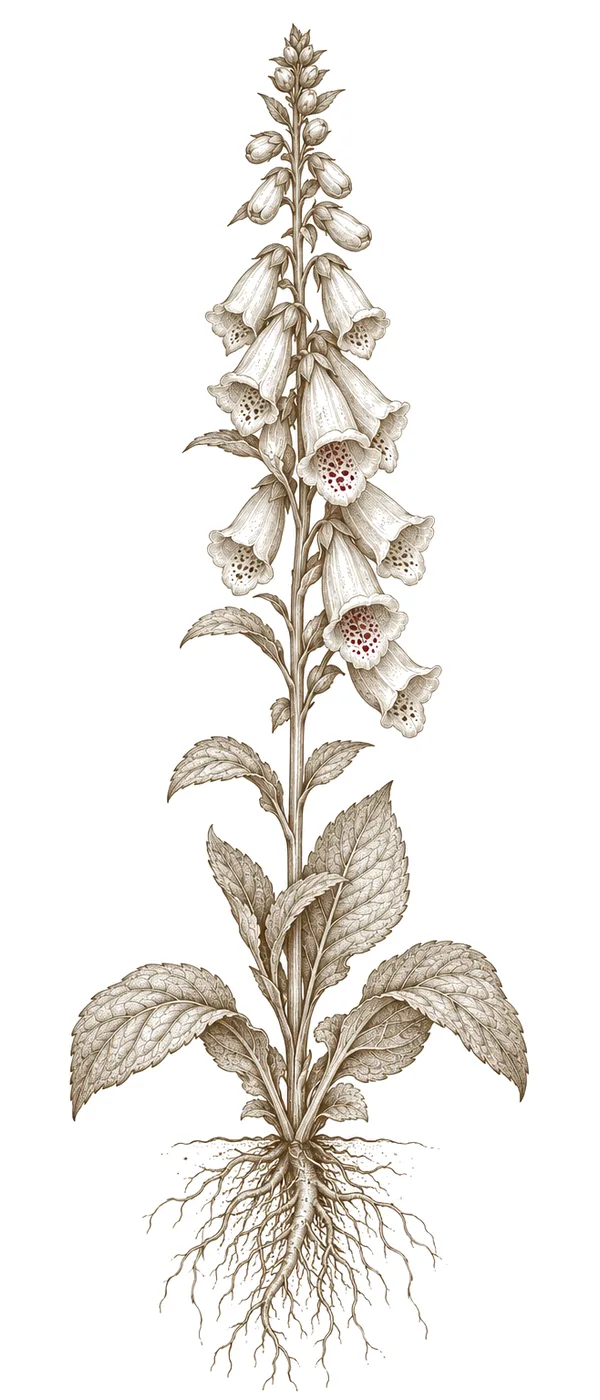
Looking for inspiration? Think about designs that reflect your personal journey or a connection to the natural world. Floral patterns inspired by local plants, geometric shapes echoing traditional artistry (always with proper research and permission if needed), or symbols representing strength and resilience—these can all be powerful choices.
Avoiding Appropriation
Never simply copy a design you find online without understanding where it comes from. Instead, connect with Native American artists and cultural experts to learn about respectful ways to incorporate Indigenous influences into your body art. Supporting Indigenous-owned tattoo studios is also a great way to show respect.
Respectful Alternatives
If you’re drawn to specific symbols but aren't sure of their significance, explore alternative designs that evoke similar feelings without directly appropriating cultural heritage. Focus on personal symbolism and artistic expression while honoring the traditions of others.