Celtic tattoos are a captivating blend of ancient history, intricate artistry, and profound symbolism. They’re rooted in the beliefs and traditions of the Celtic people who lived across Europe millennia ago—tattoos that carry deep meanings for those wanting to connect with their heritage or express personal values.
A Look at Celtic History & Culture
The Celts were a diverse group of tribes, known for their metalworking skills, storytelling traditions, and deep connection to the natural world. Their art often showcased complex knotwork, spirals, and animal representations—each holding its own spiritual significance.
Common Celtic Symbols & What They Mean
Let’s explore some of the most recognizable symbols:
Celtic Knotwork (Interlace)
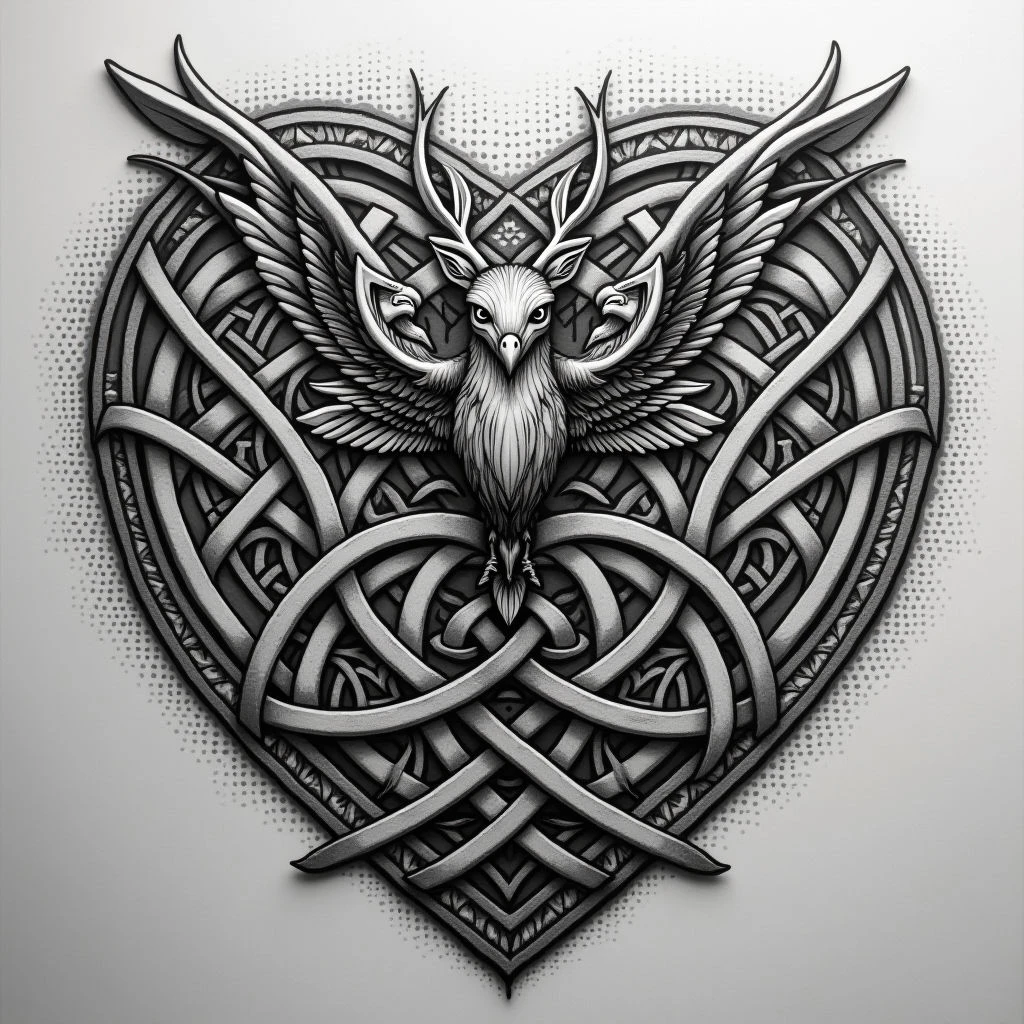
These endless, interwoven patterns represent eternity and interconnectedness—the cyclical nature of life itself. They symbolize a journey without beginning or end, reflecting ancient Celtic beliefs about immortality.
The Trinity Knot/Triquetra
Often linked to the Maiden, Mother, and Crone aspects of the Goddess, this symbol embodies balance, harmony, and the cycles of birth, death, and rebirth. It’s a powerful representation of life's continuous flow.
Celtic Cross
A beautiful fusion of Christian symbolism and ancient Celtic traditions, it signifies faith, hope, and a connection to both the earthly and divine realms. The circle surrounding the cross reinforces the idea of eternity and interconnectedness—everything is linked.
Animals: Deer, Wolves, Eagles, Snakes
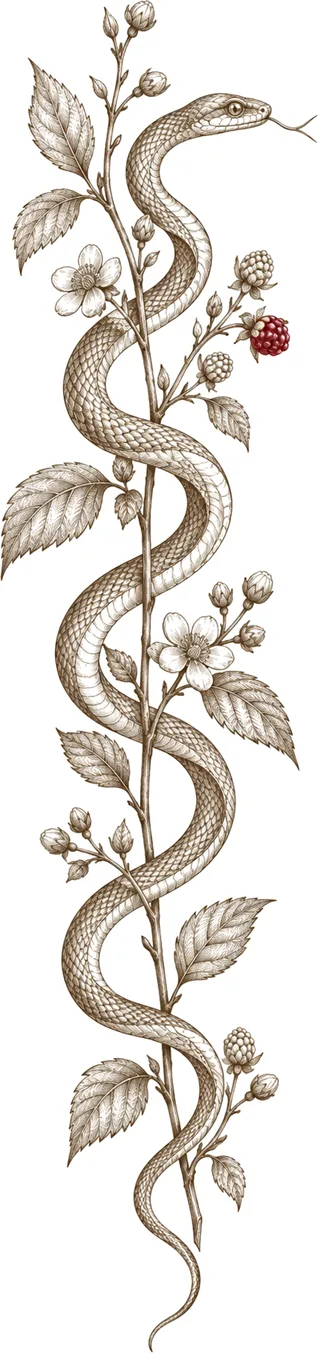
Each animal carries its own unique symbolic weight. For example, deer represent gentleness and grace; wolves symbolize loyalty and guardianship; eagles embody strength and freedom; and snakes signify healing and transformation.
Choosing Your Celtic Tattoo
When selecting a design, really consider the symbolism that resonates with you. Do some research to ensure your tattoo accurately reflects your personal values and intentions—it’s a lasting piece of art.