Exploring Eastern body art reveals striking differences between Japanese and Chinese tattooing—both traditions steeped in history and symbolism, yet distinct in their aesthetics.
Japanese Tattooing (Irezumi): A Legacy of Narrative
Japanese tattooing, or irezumi, has a fascinating history. It began as a mark for criminals but later transformed into an art form embraced by the working class—think sailors and fishermen.
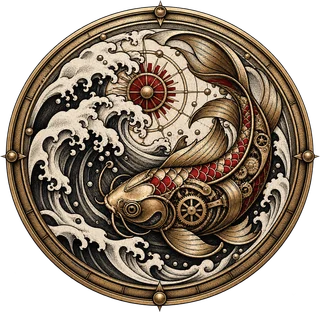
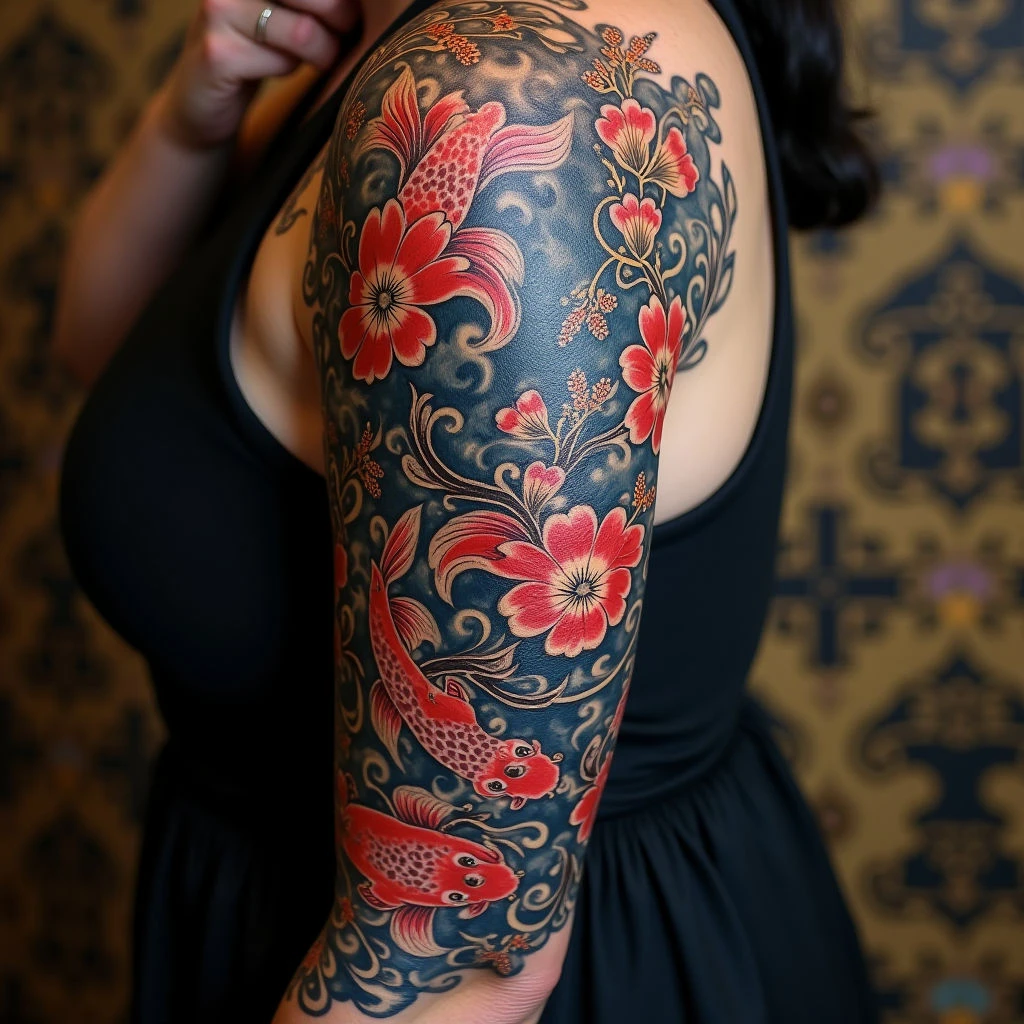
Often, Japanese tattoos tell complete stories: full sleeves showcasing legendary heroes, mythical creatures like dragons and koi fish, or scenes from folklore are common. The style is incredibly refined, emphasizing anatomical accuracy and dynamic composition.
Key Characteristics of Japanese Tattooing
- Narrative storytelling
- Bold outlines
- Vibrant colors (though traditional black ink was often used)
- Emphasis on symbolism—the dragon represents strength, the koi fish symbolizes perseverance.
You’ll frequently see cherry blossoms (sakura), cranes representing longevity, samurai warriors, and geishas incorporated into designs.
Chinese Tattooing: Symbolism and Cultural Significance
Chinese tattooing is deeply intertwined with cultural beliefs and spiritual practices. Historically, tattoos served various purposes—from identifying criminals to displaying social status.
Today’s Chinese tattoo artists focus on symbolism drawn from traditional painting, calligraphy, and mythology. It's less about telling a story and more about the power of individual symbols.
Key Characteristics of Chinese Tattooing
- Emphasis on individual symbols.
- Calligraphy is a common element.
- Motifs include dragons (power and good fortune), phoenixes (rebirth and grace), peonies (wealth and honor), bamboo (strength and resilience), and Chinese characters representing luck, love, or wisdom.
Comparing the Two Traditions
Let's break down some key differences.
- Storytelling vs. Symbolism: Japanese tattoos often tell complete stories, while Chinese tattoos focus on individual symbolic elements.
- Artistic Style: Japanese tattooing is known for its precision and dynamism; Chinese tattooing emphasizes fluidity and a calligraphic aesthetic.
- Color Palette: While both traditions use vibrant colors now, traditional Japanese tattooing relied heavily on black ink—Chinese styles incorporate a broader range of shades.
Finding the Right Style for You
Ultimately, it comes down to personal preference: are you drawn to the epic narratives of Japanese irezumi or the profound symbolism of Chinese artistry? Do some research and find an artist who specializes in your preferred style—authenticity and quality matter.