
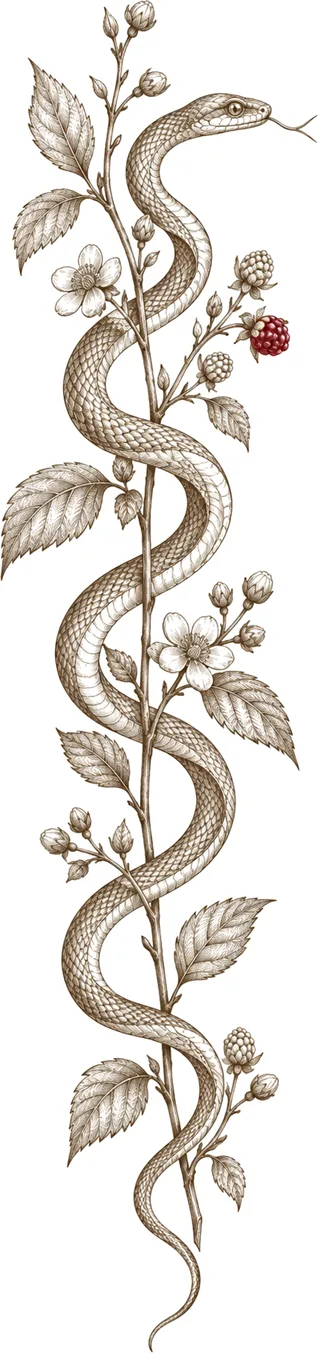

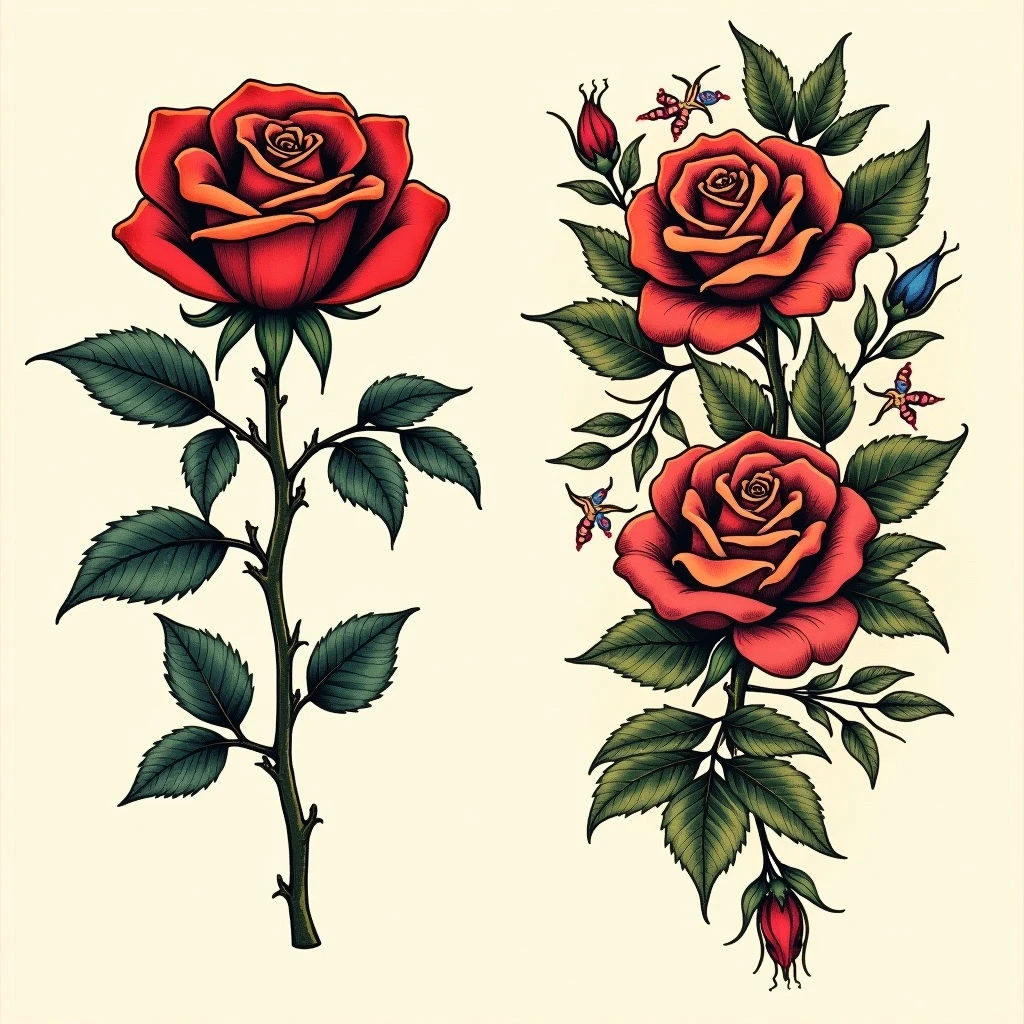
The term "classic" when describing a tattoo style can mean different things, but it generally points to American Traditional and its modern evolution, Neo-Traditional. Let's explore these styles in more detail.
American Traditional (Old School) Tattoos
These tattoos emerged during tattooing’s golden age in the early 1900s. They're instantly recognizable thanks to their bold outlines, a limited color palette—often red, yellow, blue, and green—and iconic imagery. Think classic roses, anchors, eagles, pin-up girls, and nautical stars; each rendered with a timeless quality.
Neo-Traditional Tattoos: An Evolution
Neo-traditional builds on the foundation of American Traditional, keeping its boldness but adding a lot more detail. You'll see richer shading and a wider range of colors, often incorporating elements from illustrative art. These designs can feel more realistic than traditional tattoos while still retaining that distinct artistic flair.
Americana: A Related Style
There's also Americana, a less common variation. It shares roots with Traditional Tattoos and emphasizes nautical themes alongside a 2D design aesthetic.
The Enduring Appeal of Classic Styles
Ultimately, what defines a "classic" tattoo is subjective. However, most people associate the term with American Traditional or Neo-Traditional. The real magic lies in their ability to tell stories and create lasting impressions through striking visual language.