Home > Categories > tattoo symbolism meanings > Decoding Japanese Kanji Tattoos: Meaning & Design Inspiration

Explore the beauty and symbolism of Japanese kanji tattoos. Discover meanings, design ideas, placement tips, and cultural considerations for your next tattoo.

Kanji Tattoos: A Guide to Meaning, Design & Respect

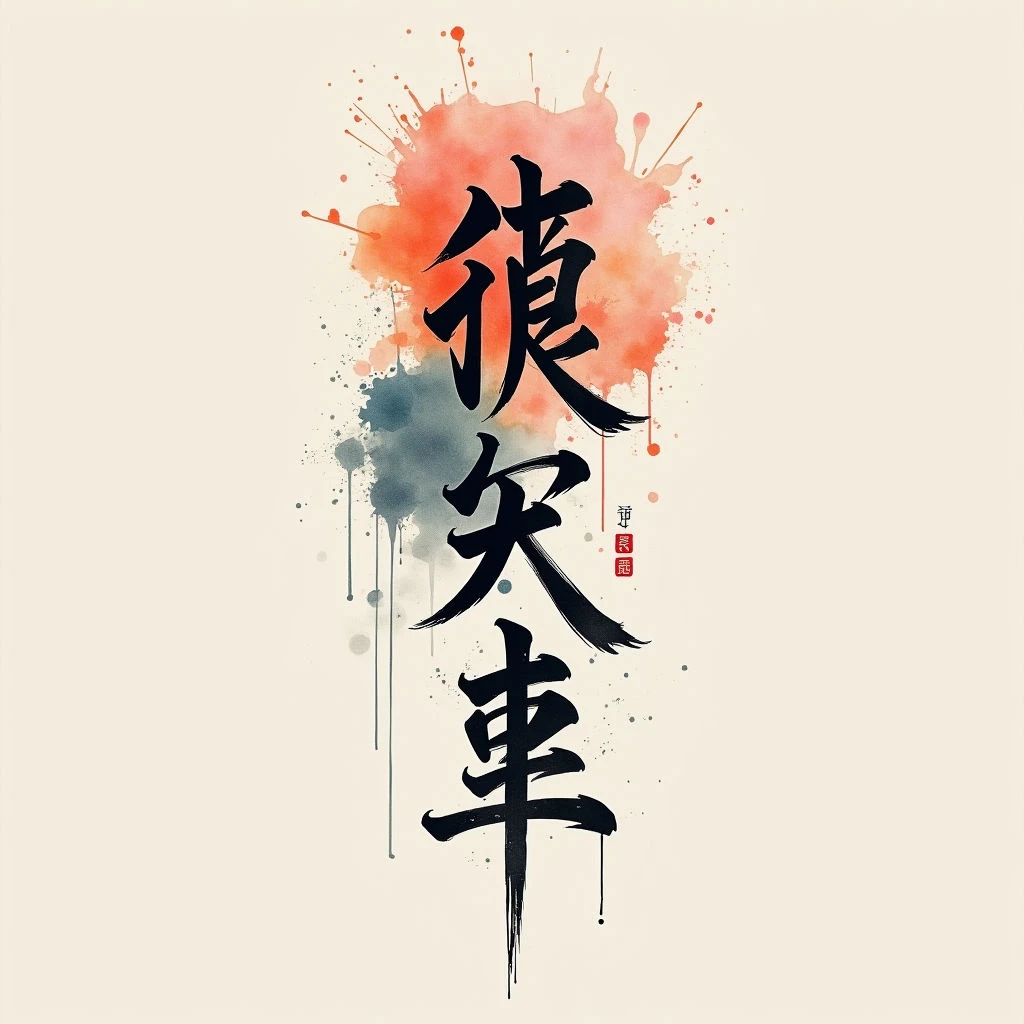
Japanese kanji tattoos aren’t just ink; they're glimpses into a culture brimming with history and symbolism. Each character embodies an idea – love (愛), resilience (力), the essence of life (命) – carrying significance far beyond its appearance.

Decoding Kanji: It's About More Than Words

Kanji are Chinese characters adapted for Japanese. They’re not letters, but tiny works of art representing complex concepts. Picking a kanji tattoo demands careful thought – a misinterpretation can lead to unintended consequences.

Popular Kanji Designs: What Do They Really Mean?

Here are some common choices, and what they represent. It's more than just a pretty picture.

  • 愛 (Ai):

    Love, affection, compassion – a deeply personal symbol almost everyone desires.

  • 力 (Chikara):

    Strength, power, energy. It’s a reminder of inner fortitude and the ability to overcome.

  • 夢 (Yume):

    Dream, ambition, hope. A constant nudge to chase your aspirations – don't let them fade.

  • 絆 (Kizuna):

    Bond, connection, relationship. A celebration of the strong ties that matter most – family, friends, a partner.

  • 希望 (Kibou):

    Hope, desire, expectation. A symbol of optimism and the perseverance needed to see things through.

Thinking About Design: Simplicity Matters

While elaborate kanji can look impressive, simpler designs often hold up better over time. Think about how the ink will age.

Font Choice: It Makes a Huge Difference

Different fonts completely change a character's appearance. Do your research – it’s not just about aesthetics.

Placement: Where Will It Look Best?

Consider the size and how the kanji will flow with your body’s contours. Arms, backs, legs, and shoulders are common choices.

Respecting Japanese Culture: A Crucial Point

Kanji tattoos have deep cultural meaning in Japan. Avoid symbols linked to negative connotations or gang affiliations. Talk to a knowledgeable artist – showing respect is paramount.

Decoding Japanese Kanji Tattoos: Meaning & Design Inspiration

Home > Categories > tattoo symbolism meanings > Decoding Japanese Kanji Tattoos: Meaning & Design Inspiration

Explore the beauty and symbolism of Japanese kanji tattoos. Discover meanings, design ideas, placement tips, and cultural considerations for your next tattoo.

Kanji Tattoos: A Guide to Meaning, Design & Respect

Japanese kanji tattoos aren’t just ink; they're glimpses into a culture brimming with history and symbolism. Each character embodies an idea – love (愛), resilience (力), the essence of life (命) – carrying significance far beyond its appearance.

Decoding Kanji: It's About More Than Words

Kanji are Chinese characters adapted for Japanese. They’re not letters, but tiny works of art representing complex concepts. Picking a kanji tattoo demands careful thought – a misinterpretation can lead to unintended consequences.

Popular Kanji Designs: What Do They Really Mean?

Here are some common choices, and what they represent. It's more than just a pretty picture.

  • 愛 (Ai):

    Love, affection, compassion – a deeply personal symbol almost everyone desires.

  • 力 (Chikara):

    Strength, power, energy. It’s a reminder of inner fortitude and the ability to overcome.

  • 夢 (Yume):

    Dream, ambition, hope. A constant nudge to chase your aspirations – don't let them fade.

  • 絆 (Kizuna):

    Bond, connection, relationship. A celebration of the strong ties that matter most – family, friends, a partner.

  • 希望 (Kibou):

    Hope, desire, expectation. A symbol of optimism and the perseverance needed to see things through.

Thinking About Design: Simplicity Matters

While elaborate kanji can look impressive, simpler designs often hold up better over time. Think about how the ink will age.

Font Choice: It Makes a Huge Difference

Different fonts completely change a character's appearance. Do your research – it’s not just about aesthetics.

Placement: Where Will It Look Best?

Consider the size and how the kanji will flow with your body’s contours. Arms, backs, legs, and shoulders are common choices.

Respecting Japanese Culture: A Crucial Point

Kanji tattoos have deep cultural meaning in Japan. Avoid symbols linked to negative connotations or gang affiliations. Talk to a knowledgeable artist – showing respect is paramount.