Tattoos aren’t just ink on skin—they're visual stories, rich with meaning. Understanding these symbols can deepen your appreciation for body art, whether it’s your own or someone else’s. Let’s explore common tattoo symbols, their origins, and how to interpret them.
Traditional & Cultural Roots
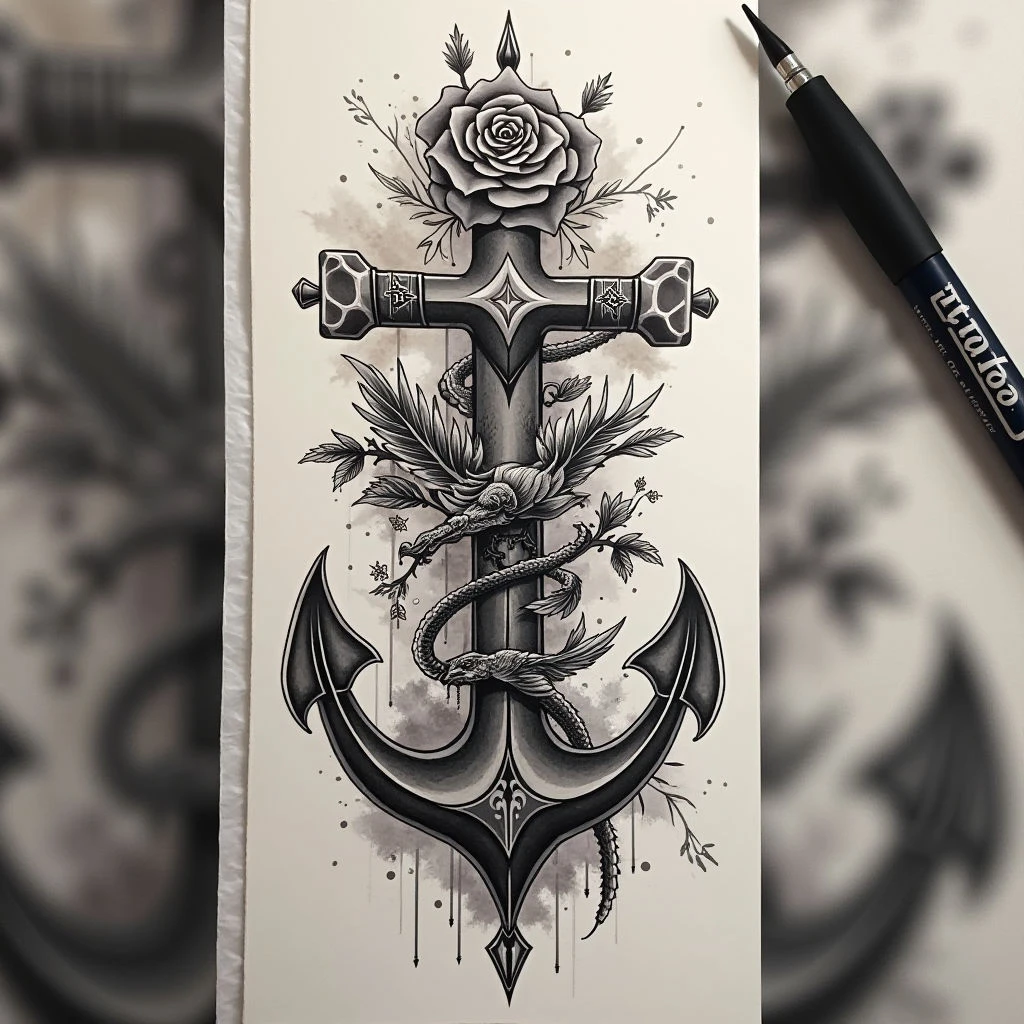
Many tattoo symbols have deep historical roots. Take the anchor, for example—it's a classic representation of stability and hope, often symbolizing a sailor’s connection to home. Roses frequently symbolize love and beauty, but they can also carry a more subtle meaning: secrecy, a nod to Victorian-era coded messages.
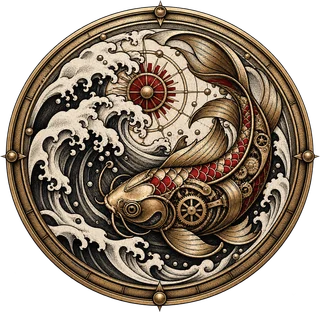
In Eastern cultures, dragons are powerful symbols of wisdom, good fortune, and strength—a far cry from the sometimes fearsome portrayal in Western media.
Personal Expression
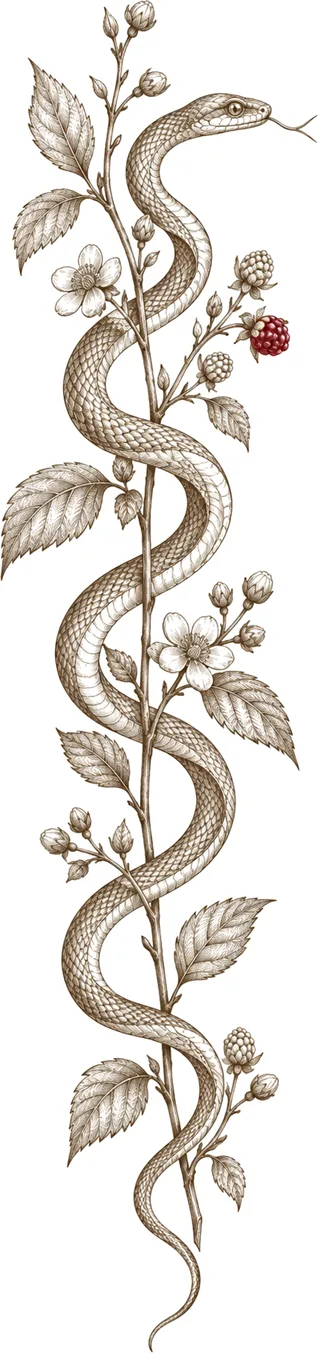
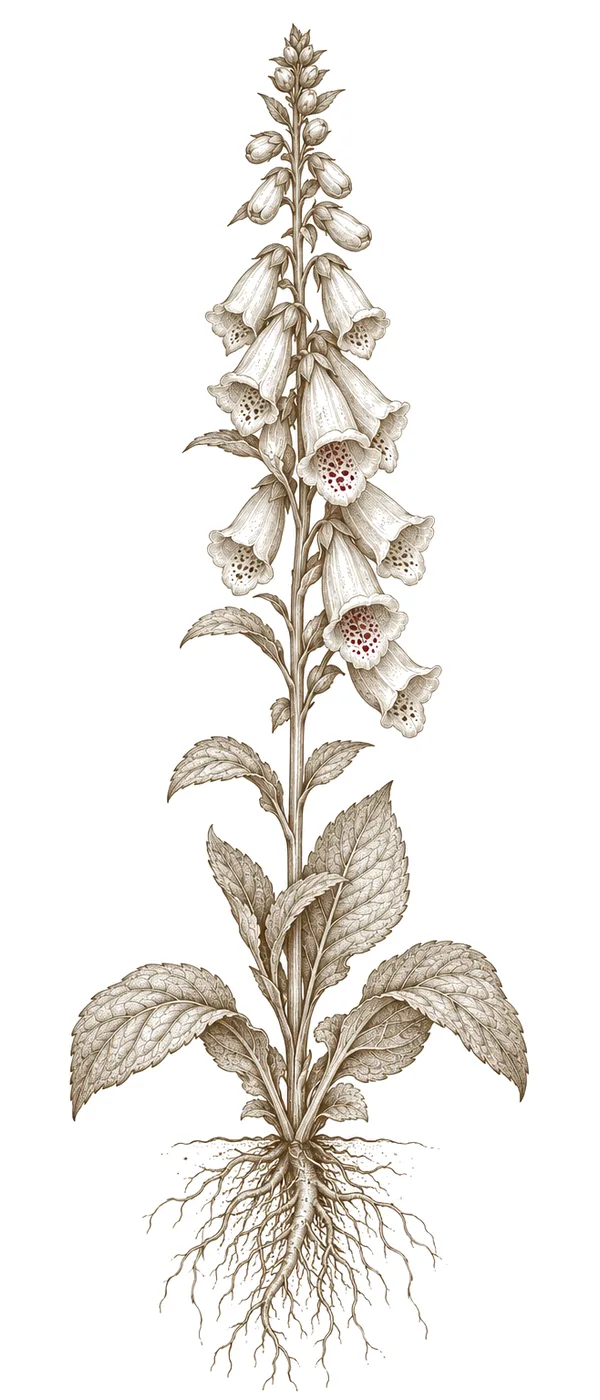
Beyond their traditional meanings, tattoos are incredibly personal. A bird might represent freedom and overcoming challenges—a visual reminder of resilience. Or perhaps a specific flower commemorates a loved one; it’s about choosing symbols that genuinely reflect your story.
Choosing Meaningful Symbols
When selecting a tattoo, consider the symbol's origin and cultural significance—but most importantly, think about your personal connection to it. Don’t just skim surface-level interpretations; really research.
Ask yourself: Does this image resonate with my experiences? What does it represent to me?
Beyond the Basics
The meaning of a tattoo can be layered and complex. Combining symbols creates entirely new narratives, adding depth to your design.
Even placement matters—a symbol on the wrist might convey openness, while one on the back could represent strength and resilience.