Home > Categories > tattoo symbolism meanings > Decoding Japanese Tattoo Meanings: A Cultural Guide

Explore the rich symbolism and cultural significance of traditional Japanese tattoo designs, from dragons to koi fish. Learn about their history and meanings.

The Meaning Behind Irezumi: A Guide to Traditional Japanese Tattoos

Irezumi, or traditional Japanese tattooing, isn't just about the artwork itself. It’s a rich cultural practice steeped in history, spirituality, and symbolism—a vibrant tapestry of stories from folklore, mythology, and religious beliefs.

Understanding Japanese Tattoo Symbolism

Each design holds deep meaning. Really appreciating Irezumi means understanding what those symbols represent.

Common Symbols and Their Significance

Here’s a look at some of the most recognizable Japanese tattoo motifs:

  • Dragon (Ryū): Represents strength, wisdom, courage, and good fortune. These powerful creatures are often linked to water and storms, symbolizing protection and immense power.
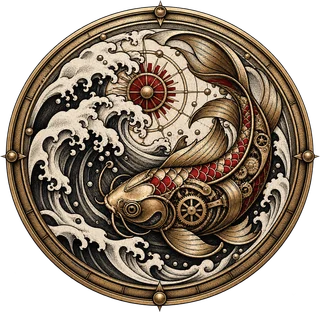
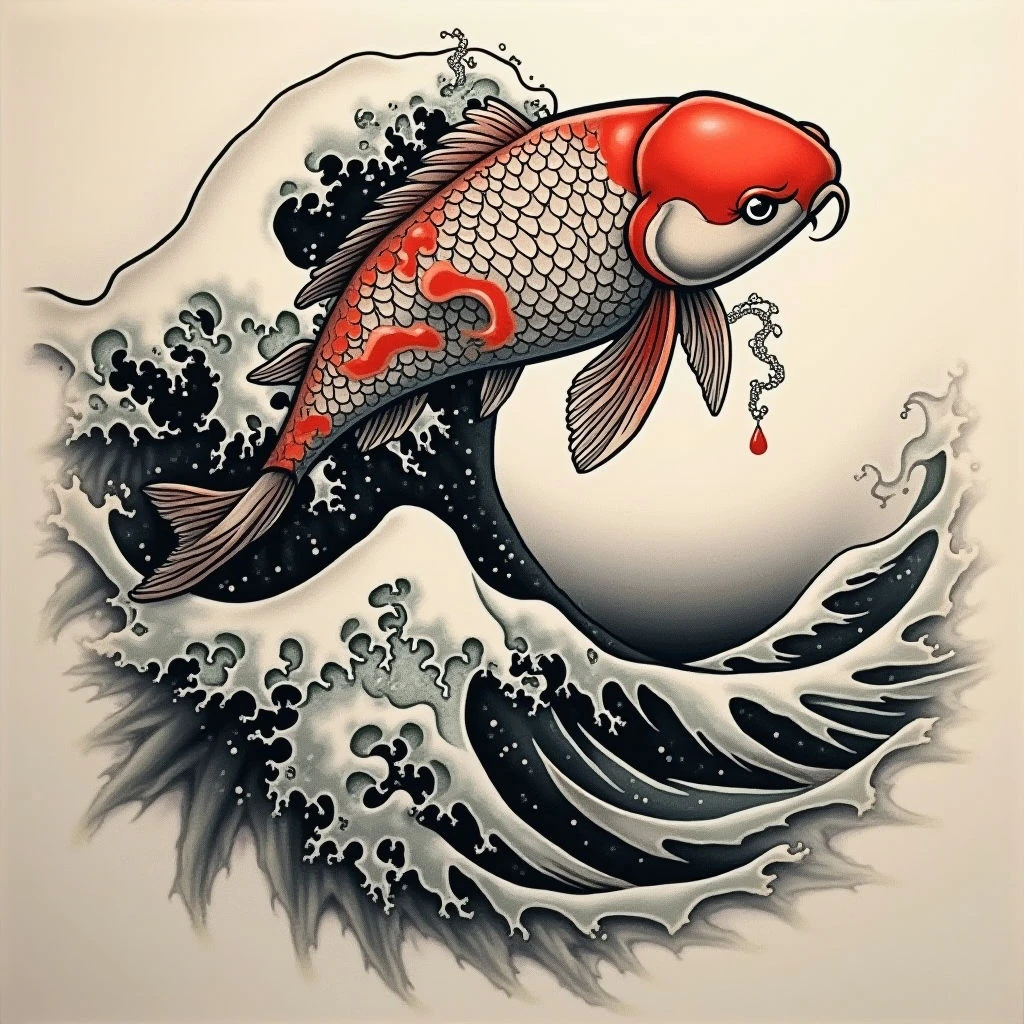
  • Koi Fish (Koi): Symbolize perseverance, determination, ambition, and love—a beautiful representation of overcoming obstacles. The legend of a koi swimming upstream to become a dragon is particularly inspiring.
  • Peony (Botan): Represents beauty, wealth, honor, and the vibrancy of springtime. They’re often associated with royalty and feminine grace.
  • Tiger (Tora): Symbolizes courage, strength, protection from evil spirits, and authority—a fierce guardian in ink.
  • Phoenix (Hō-ō): Represents rebirth, renewal, immortality, and the radiant sun. It’s a powerful symbol of overcoming adversity and rising stronger than before.
  • Cherry Blossom (Sakura): Symbolize the fleeting nature of life, finding beauty in impermanence, and embracing new beginnings—a poignant reminder to cherish each moment.
  • Japanese Wave (Seigaiha): Represents a protective barrier against negativity and symbolizes great fortune and longevity.

A Brief History of Irezumi

Historically, Irezumi was closely associated with the Yakuza, who used tattoos to demonstrate their loyalty and endurance. While societal views have changed over time, the traditional symbolism remains deeply significant.

Choosing Your Design

If you’re considering an Irezumi tattoo, take the meaning seriously. Do your research and understand the cultural significance to ensure it resonates with your personal story.

Decoding Japanese Tattoo Meanings: A Cultural Guide

Home > Categories > tattoo symbolism meanings > Decoding Japanese Tattoo Meanings: A Cultural Guide

Explore the rich symbolism and cultural significance of traditional Japanese tattoo designs, from dragons to koi fish. Learn about their history and meanings.

The Meaning Behind Irezumi: A Guide to Traditional Japanese Tattoos

Irezumi, or traditional Japanese tattooing, isn't just about the artwork itself. It’s a rich cultural practice steeped in history, spirituality, and symbolism—a vibrant tapestry of stories from folklore, mythology, and religious beliefs.

Understanding Japanese Tattoo Symbolism

Each design holds deep meaning. Really appreciating Irezumi means understanding what those symbols represent.

Common Symbols and Their Significance

Here’s a look at some of the most recognizable Japanese tattoo motifs:

  • Dragon (Ryū): Represents strength, wisdom, courage, and good fortune. These powerful creatures are often linked to water and storms, symbolizing protection and immense power.
  • Koi Fish (Koi): Symbolize perseverance, determination, ambition, and love—a beautiful representation of overcoming obstacles. The legend of a koi swimming upstream to become a dragon is particularly inspiring.
  • Peony (Botan): Represents beauty, wealth, honor, and the vibrancy of springtime. They’re often associated with royalty and feminine grace.
  • Tiger (Tora): Symbolizes courage, strength, protection from evil spirits, and authority—a fierce guardian in ink.
  • Phoenix (Hō-ō): Represents rebirth, renewal, immortality, and the radiant sun. It’s a powerful symbol of overcoming adversity and rising stronger than before.
  • Cherry Blossom (Sakura): Symbolize the fleeting nature of life, finding beauty in impermanence, and embracing new beginnings—a poignant reminder to cherish each moment.
  • Japanese Wave (Seigaiha): Represents a protective barrier against negativity and symbolizes great fortune and longevity.

A Brief History of Irezumi

Historically, Irezumi was closely associated with the Yakuza, who used tattoos to demonstrate their loyalty and endurance. While societal views have changed over time, the traditional symbolism remains deeply significant.

Choosing Your Design

If you’re considering an Irezumi tattoo, take the meaning seriously. Do your research and understand the cultural significance to ensure it resonates with your personal story.