
The world of tattoos is incredibly diverse—there’s a style for everyone. From classic American traditional designs to modern watercolor artistry, the options are vast and full of rich techniques and symbolism. Let's take a look at some popular tattoo styles, exploring their history, aesthetics, and cultural significance.
Classic Styles: Tradition & Evolution
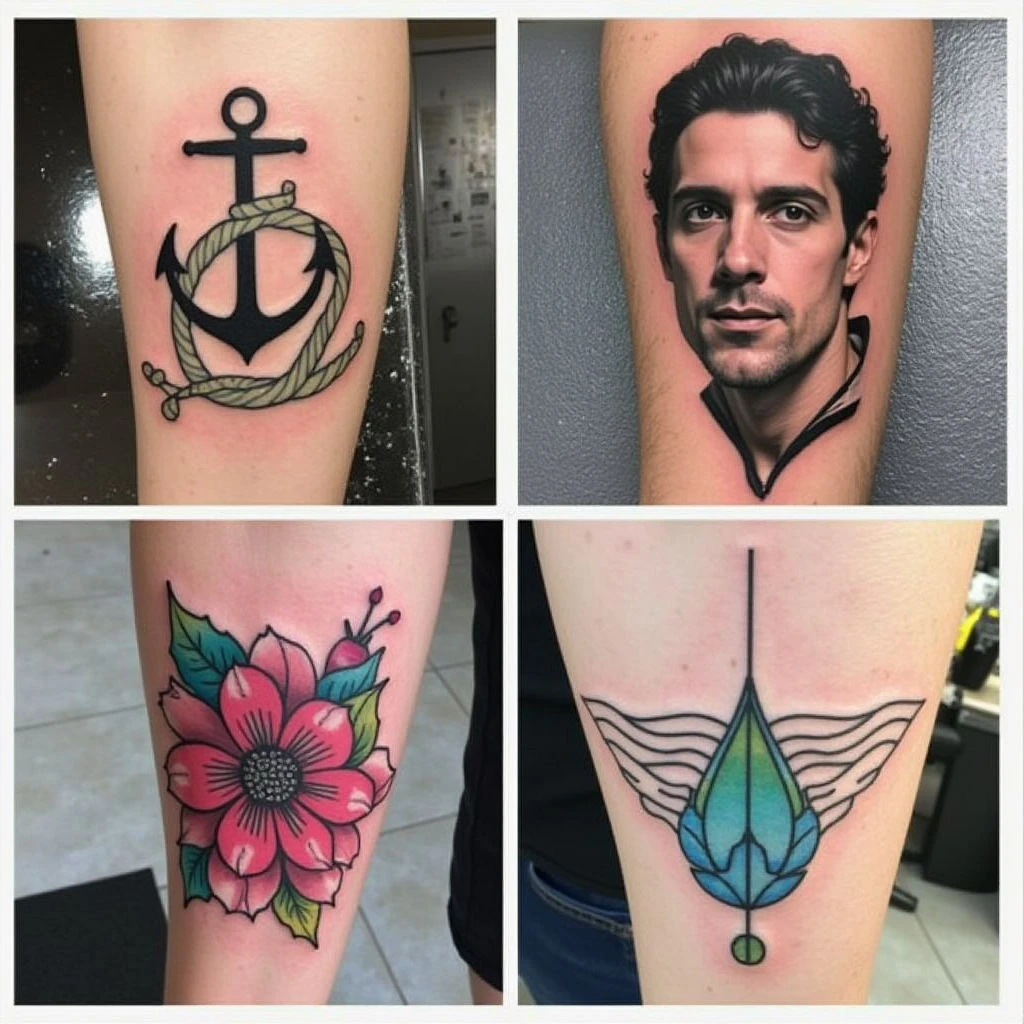
Traditional tattoos, often linked to sailor traditions, are instantly recognizable. They boast bold outlines, a limited color palette—think red, yellow, black, and green—and iconic imagery like roses, anchors, eagles, and pin-up girls. These designs traditionally represent strength, courage, and a connection to the sea.
Neo-Traditional: A Modern Twist
Neo-traditional tattoos build on those classic foundations but add more nuance. Expect richer colors, intricate details, and a broader range of imagery—a blend of realism and stylized elements.
Capturing Reality & Artistic Expression
Realism and portrait tattoos aim for photorealistic accuracy, capturing the likenesses of people or animals with incredible detail. These require serious skill from the artist.
Watercolor: Painting on Skin
Watercolor tattoos mimic the look of watercolor paintings, using soft blends, translucent colors, and feathered edges for a delicate effect.
Blackwork & Dotwork: Shades of Darkness
Blackwork uses solid black ink to create bold designs. Dotwork, on the other hand, employs thousands of tiny dots for shading and texture—both often inspired by tribal art and geometric patterns.
Minimalism & Modern Art
Minimalist tattoos embrace simplicity, featuring clean lines, fine details, and negative space. They often convey profound meaning with just a few carefully placed elements.
Illustrative & New School: A World of Imagination
Illustrative tattoos resemble sketches or storybook art, blending styles and bold linework. New school takes things even further with vibrant colors, cartoonish elements, and exaggerated features—influenced by graffiti and pop culture.