Hawaiian tattoos, or kākau, are deeply rooted in cultural traditions and carry profound meaning. Unlike the tattooing we see today, traditional kākau were spiritual ceremonies—performed by skilled practitioners called kahuna kākau. To truly appreciate these designs, it’s important to respect Hawaiian history and beliefs.
A History of Kākau
Historically, kākau served as markers—indicating lineage, social standing, personal achievements, and a connection to the gods. Where someone placed a tattoo also held significance.
Common Symbols & Their Meanings
Let's look at some common symbols and what they represent. It’s more than just aesthetics; each design tells a story.
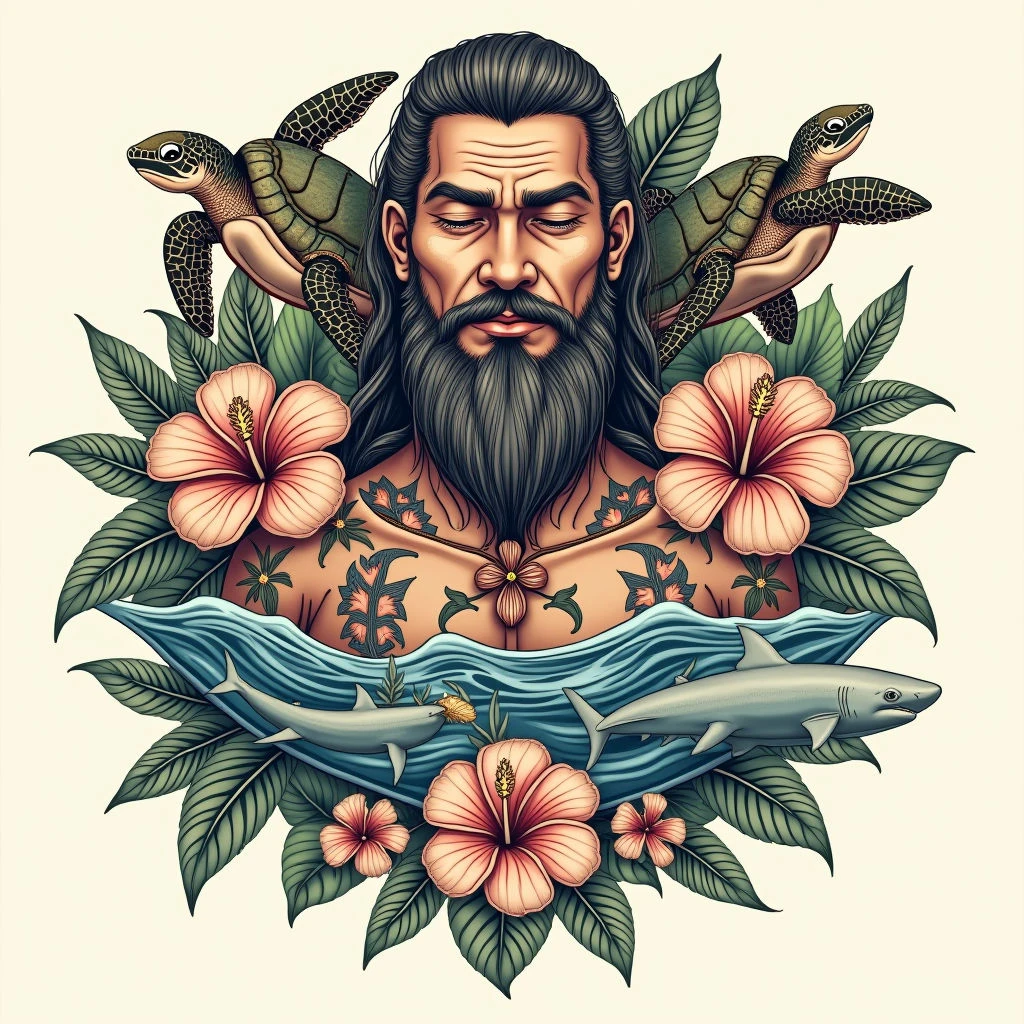
Sharks (Hei)
Sharks, or hei, embody strength, power, and bravery—a direct connection to the ocean and one's ancestors. They’re powerful emblems.
Turtles (Honu)
Turtles (honu) symbolize longevity, patience, wisdom, and a sense of peace. They represent a long journey lived well.
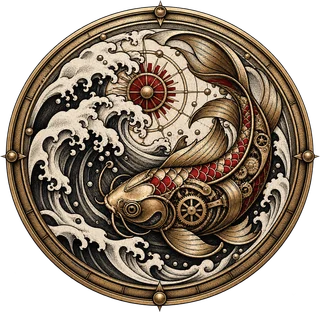
Waves (Ua)
Waves (ua) are a reminder of life’s constant change—a visual representation of the journey we all take.
Flowers (Pua)
Each flower carries its own unique meaning. For example, hibiscus represents beauty and joy, while plumeria embodies love and grace.
Spirals (Nalu)
Spirals (nalu) symbolize growth, expansion—a connection to something larger than ourselves.
Respect and Cultural Sensitivity
It’s crucial to approach Hawaiian tattoo designs with deep respect. Really understanding the meanings is essential—do your research! If possible, consider consulting a knowledgeable practitioner or elder for guidance.
Modern Interpretations
While traditional kākau were once reserved for specific individuals, today people often incorporate these motifs to honor their Hawaiian heritage and share personal stories through meaningful designs.