
Hawaiian tattooing, or Kakau, is so much more than just body art. It's a deeply spiritual practice rooted in history and tradition—each symbol carries a story about ancestry, status, skills, and your connection to the natural world.
A Brief History of Kakau
Traditionally, these intricate tattoos were reserved for chiefs (Aliʻi) and warriors. The process itself was intense—often taking days or even weeks due to the pain involved. It wasn't simply about aesthetics; Kakau visually represented a person’s mana – their spiritual power and prestige.
Common Hawaiian Tattoo Symbols & Their Meanings
Let's explore some of the most recognizable symbols:
Shark (Hāpu)
Represents strength, courage, and dominance—the ability to overcome challenges. It’s often a connection to ancestors who were skilled navigators or warriors.
Turtle (Honu)
The Honu symbolizes longevity, patience, wisdom, peace, and harmony. Its slow but steady movement is a reminder of perseverance—a powerful lesson in itself.
Mountain (Mauna)
Mountains represent strength, stability, and grounding, connecting you to the land. Specific mountains often hold deep personal or familial significance.
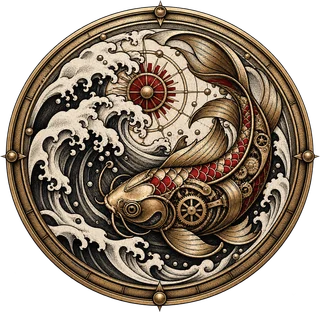
Ocean Waves (Kai)
These symbolize life’s journey—adaptability, resilience, and a profound connection to the ocean's power.
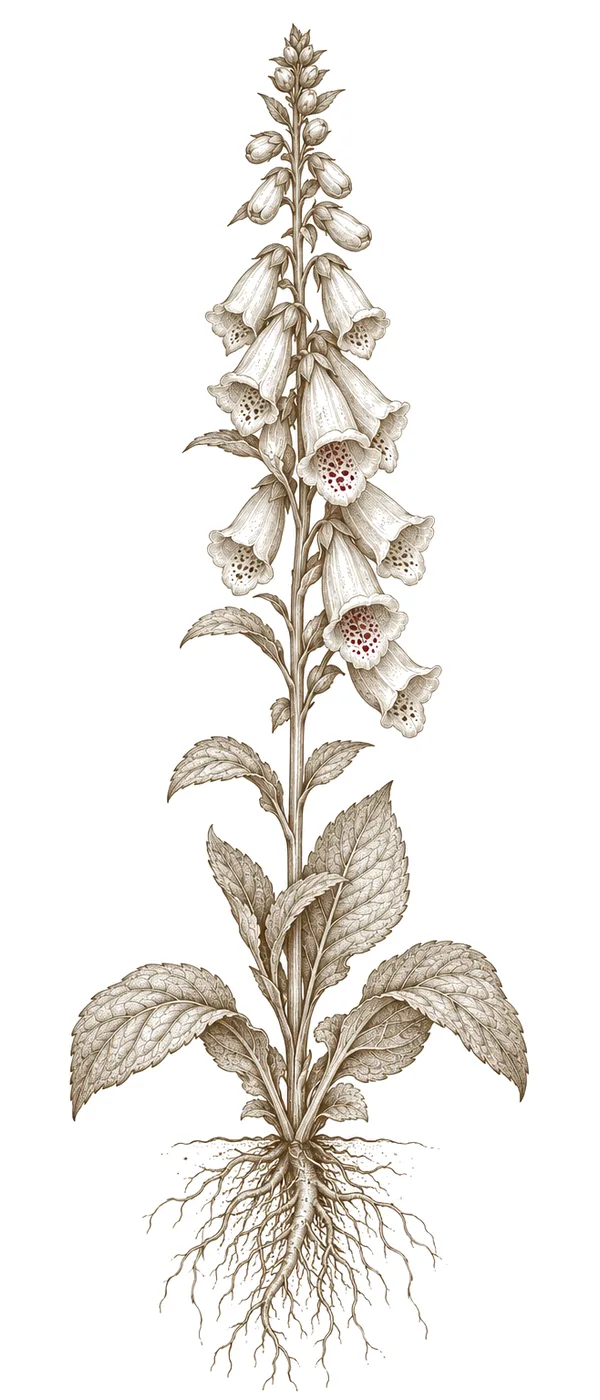
Flower Motifs (Pua)
Each flower carries its own unique meaning. For example, hibiscus represents beauty and abundance, while plumeria symbolizes love and charm.
Tiki
Tiki represent ancestors and deities, often symbolizing protection and guidance—a constant reminder of those who came before.
Modern Interpretations & Respecting the Culture
While modern tattooing has made these symbols more accessible, it's vital to approach Kakau with respect. Truly understanding the cultural significance is key.
If you’re not of Hawaiian descent, consider collaborating with a knowledgeable artist who can guide you in selecting designs that are both meaningful and respectful of tradition.
Important Note
This is just an overview—the meanings behind Hawaiian tattoo symbols can be incredibly complex and nuanced, varying depending on the island and family history.