Islamic geometric patterns aren’t just beautiful; they're visual expressions of deep spiritual ideas. These designs, found in mosques around the world and rooted in sacred mathematics, represent harmony, balance, and how everything connects.
Decoding the Symbols
Let's look at what some of these common motifs actually mean. It’s more than just decoration—it’s a way to connect with faith and reflect on profound concepts.
Common Geometric Forms
Here are a few examples:
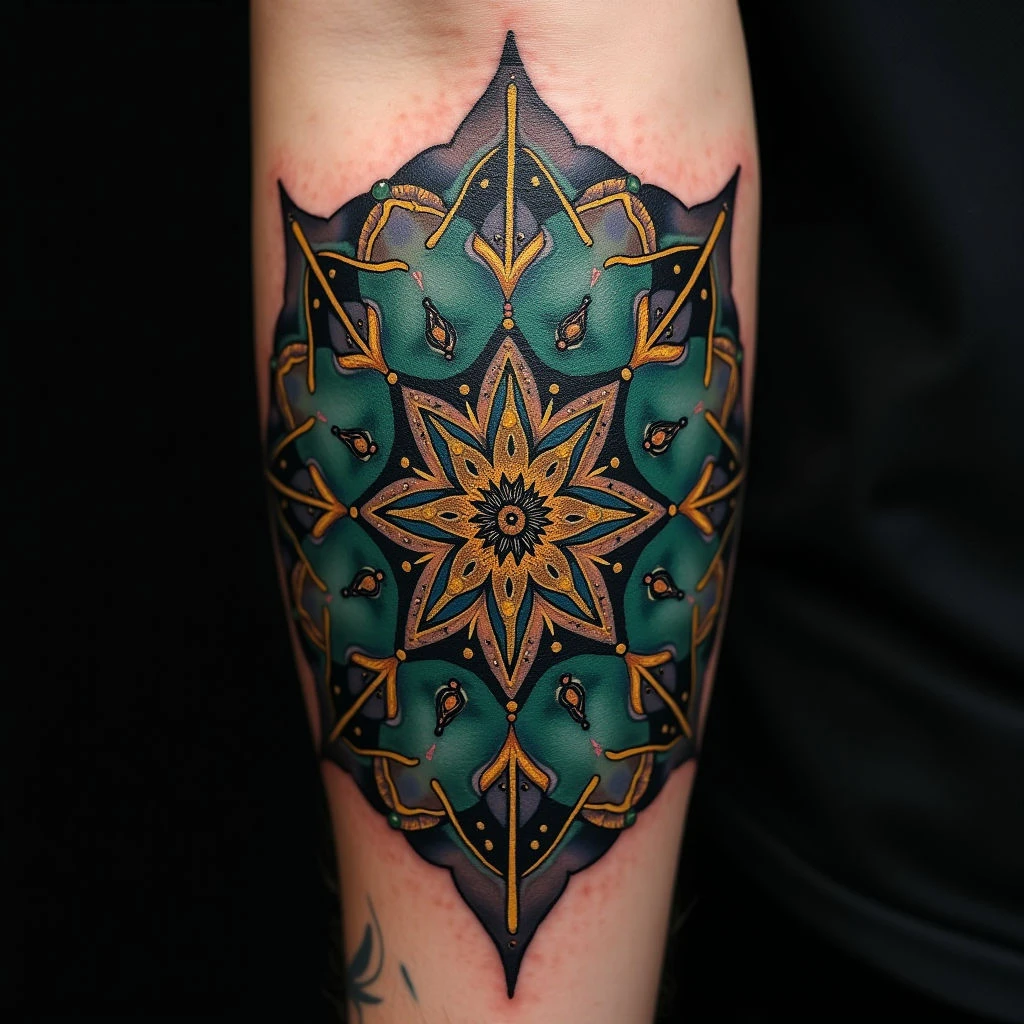
- Star Patterns (Rub el Hizb): These often symbolize divine unity, representing the nine attributes of Allah.
- Latticework (Mushtarak): Think of these as miniature maps of the universe—they reflect creation and order.
- Rosettes (Bughda): These evoke a feeling of completeness, like looking at something infinite.
- Interlocking Shapes: These represent how faith, family, and community are all intertwined – core values in Islamic belief. It’s about connection.
Bringing Meaning to Your Space
Choosing a pattern isn't just about aesthetics; it's about understanding its meaning and letting it be a personal statement of your beliefs. If you’re considering incorporating these designs, I recommend consulting with an artist who truly understands the nuances—they can ensure accurate representation and thoughtful placement.