
Transforming an unwanted tattoo is a really common thing, especially for women who've changed their minds or just want something new. Cover-up tattoos are a great solution—but they need careful planning and the right artistic touch.
Understanding Your Existing Tattoo
Before we even start thinking about designs, it's crucial to really look at what you’re working with. Size matters, of course, but so do the colors (red and yellow can be tricky!), how dense the lines are, and the overall style.
Design Styles & Ideas for Female Cover-Ups
Let’s explore some popular design styles. There's a lot of room for creativity here!
Floral Designs
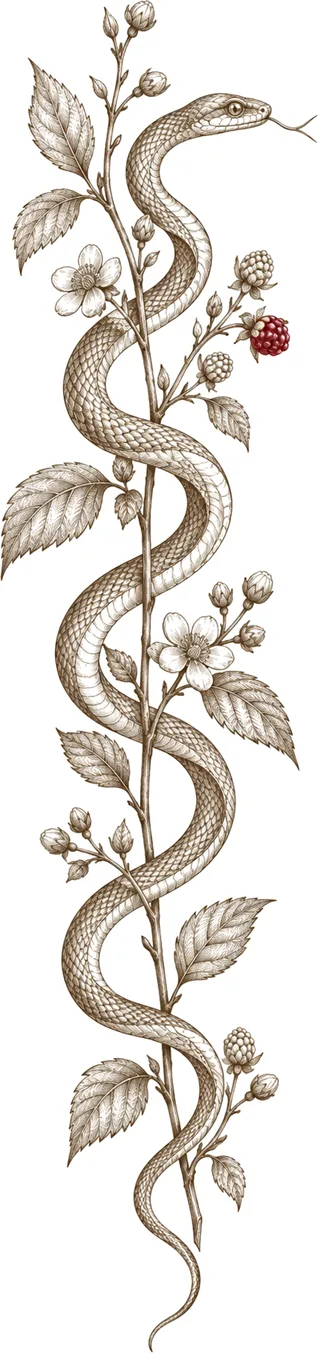
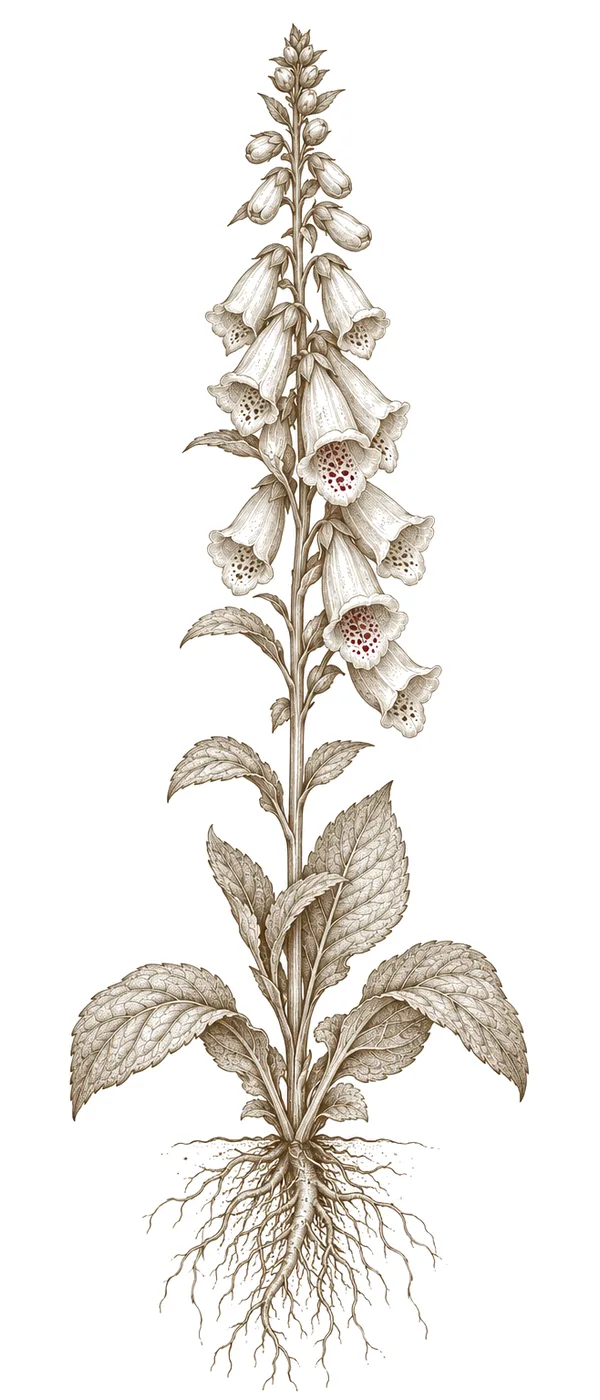
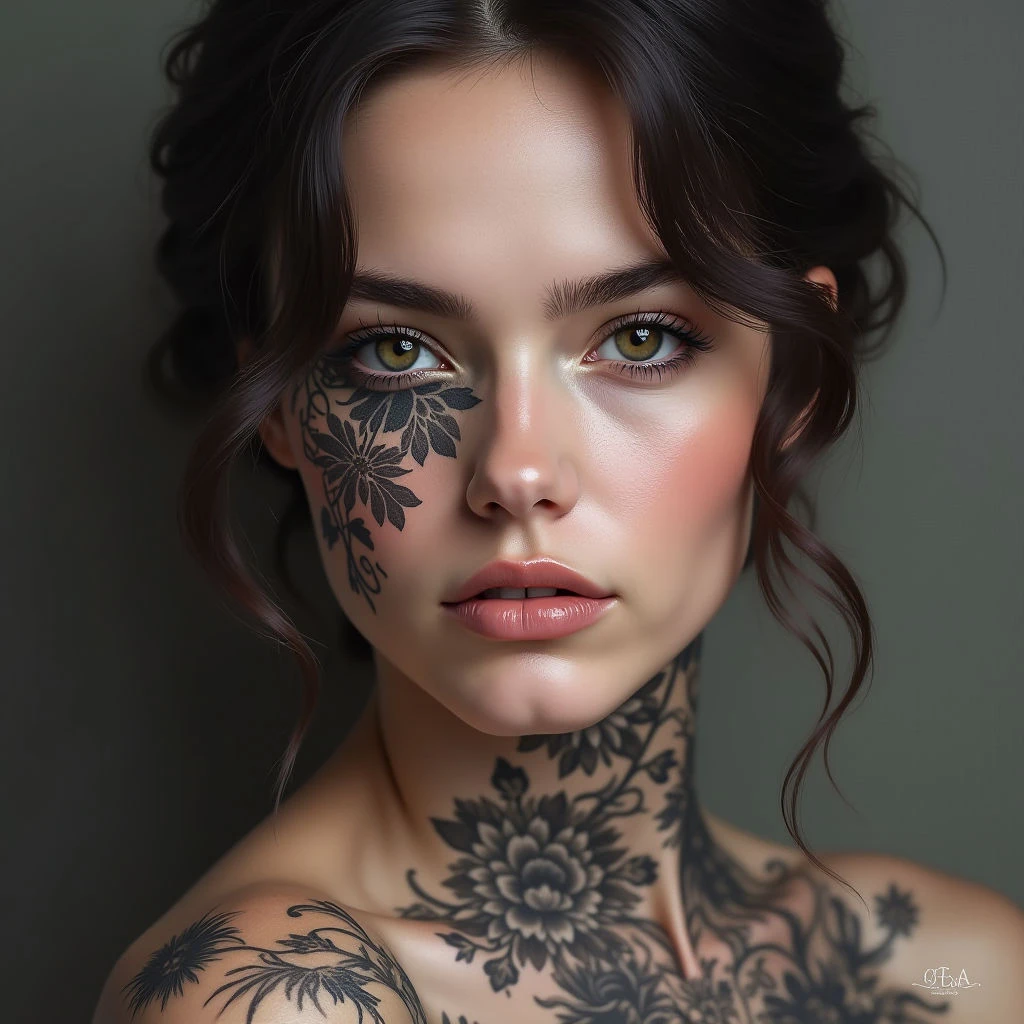
Delicate flowers, vines—anything floral really lends itself well to cover-ups. They’re versatile and add a touch of femininity.
Blackwork & Geometric Patterns
Bold black ink creates a fantastic base for new designs. Geometric patterns are especially good at obscuring existing imagery with their strong lines and shapes.
Realism & Portrait Tattoos
A skilled artist can sometimes even incorporate elements of the original tattoo into a realistic portrait or detailed scene—it's impressive when it works. This usually requires more space, though.
Watercolor Techniques
Soft, blended colors create a really ethereal look and can soften an existing tattoo’s appearance. Watercolor cover-ups often work best for smaller to medium tattoos.
Mandala Designs
Intricate mandala patterns offer excellent coverage thanks to their repeating motifs and detailed design elements.
Technical Considerations & Artist Selection
Honestly, a successful cover-up hinges on finding an artist who really knows what they’re doing—someone experienced in this specific technique. They'll assess your original tattoo, chat about your vision, and create something custom that effectively hides it while also looking beautiful.
Be prepared for multiple sessions, especially if the cover-up is large or complex.
Placement Matters
Where your original tattoo sits makes a difference in what’s possible. Areas with flatter skin are generally easier to work with than spots with curves or uneven textures.