The whispers of ancestors seem to dance across the skin, a living tradition in Aboriginal body art. For thousands of years, intricate patterns and symbolic creatures have adorned bodies—each telling stories of creation, connection to the land, and profound spiritual journeys.
A Modern Expression: Fine Line Tattoos
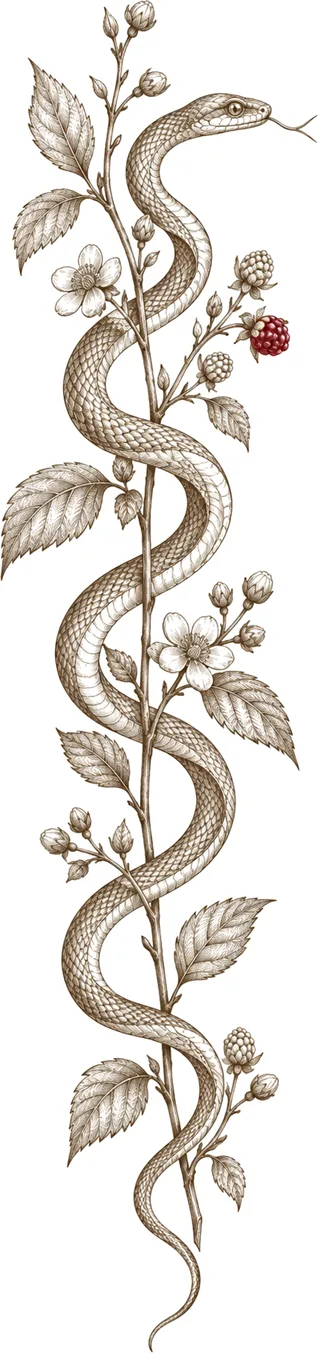
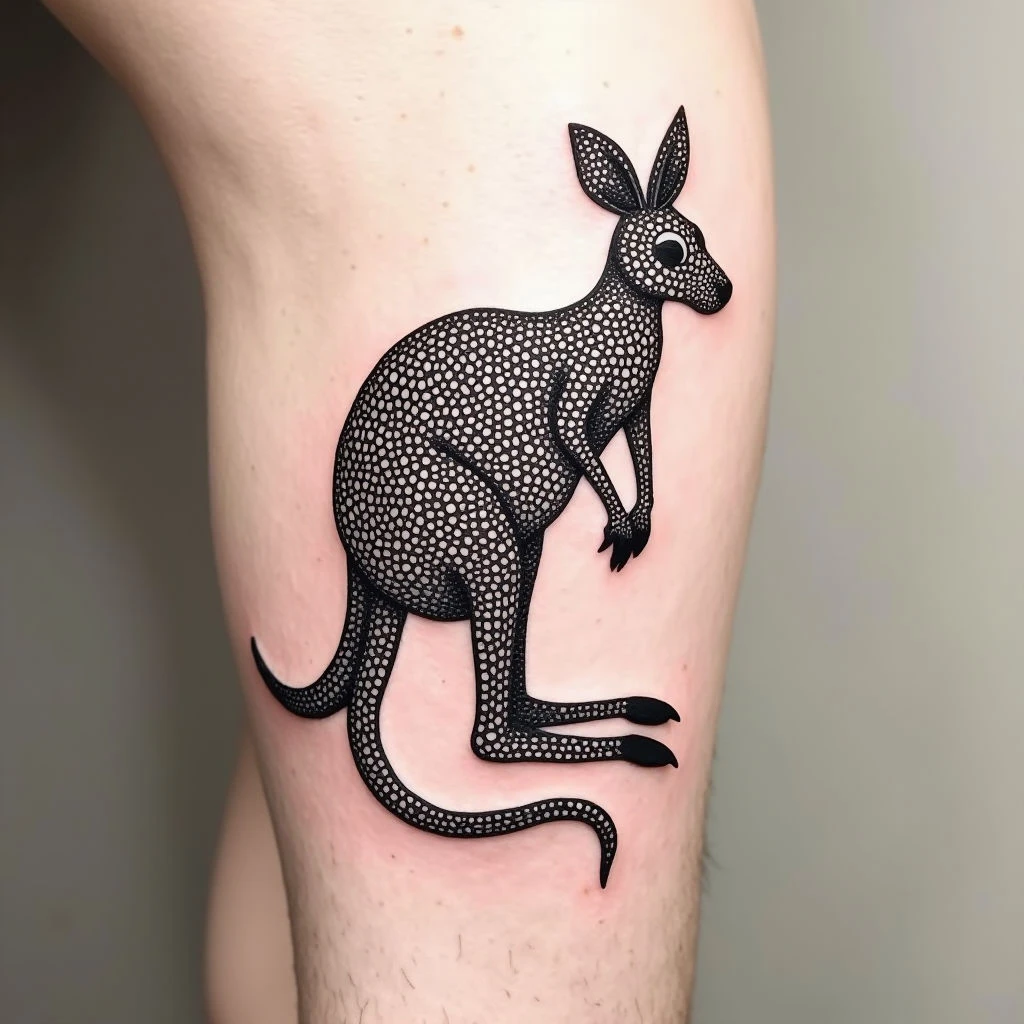
These ancient narratives now find a fresh expression through delicate fine line tattoos. It’s remarkable how this technique offers such a unique canvas for these powerful symbols. The precision allows artists to capture the subtle nuances of dot painting, and the clean lines really clarify the forms of dreamtime animals—like the Rainbow Serpent, representing life-giving waters, or the Kangaroo, symbolizing motherhood and adaptability.
Respectful Representation: Understanding the Significance
Before even thinking about an Aboriginal-inspired tattoo, it's crucial to understand its cultural weight. These aren’t just decorative elements; they carry deep meaning and responsibility. It's vital to work with an artist who truly understands Aboriginal culture and prioritizes respectful representation—someone who can guide you through the symbolism.
Exploring Design Elements
You’ll often see these elements in fine line Aboriginal tattoos:
- Dot Painting: Represents creation stories, ancestral beings, and a deep connection to the land.
- Dreamtime Animals: Kangaroos, emus, snakes, goannas—each animal carries its own unique symbolic meaning.
- Spiral Patterns: Symbolize the journey of life and the cyclical nature of time.
- Tracks & Footprints: Represent journeys, ancestral paths, and a connection to specific places.
Ultimately, this style of tattooing is more than just ink on skin; it’s a bridge between cultures—a testament to the enduring power of Aboriginal storytelling. It's an opportunity for respectful appreciation and personal expression, honoring the rich heritage that inspires it.