Geometric tattoos are gaining serious traction, pulling inspiration from sacred geometry, mathematics, and a sense of spirituality. They're not just eye-catching; these designs often hold deep symbolic meaning connected to ancient traditions.
Understanding Sacred Geometry
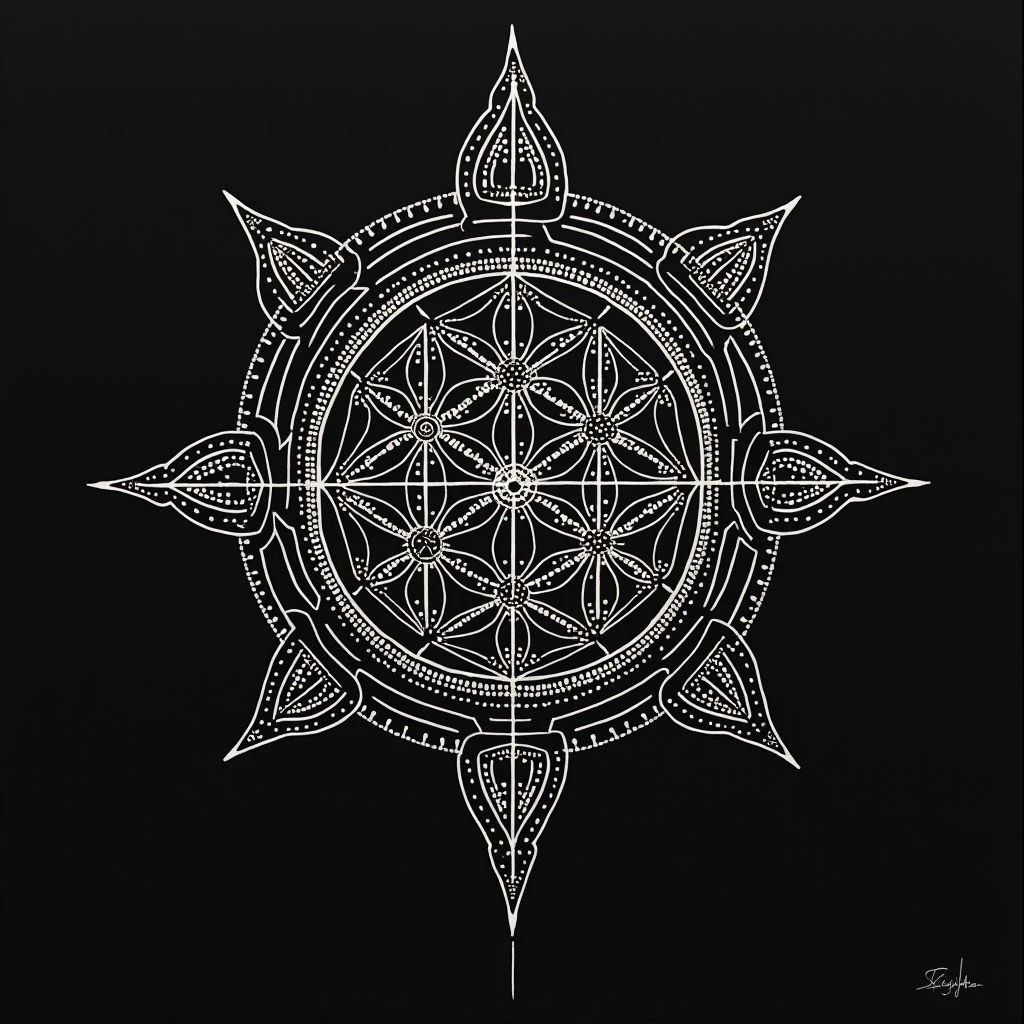
At its heart, sacred geometry explores the patterns that shape our universe—think of the spirals in seashells or the structure within crystals. Let's look at some common geometric elements you’ll see incorporated into tattoos:
- Flower of Life: Represents creation, interconnectedness, and a sense of divine wholeness.
- Metatron's Cube: Contains all five Platonic solids, symbolizing harmony and balance—a really fascinating concept.
- Fibonacci Sequence/Golden Ratio: These reflect natural growth patterns and create pleasing proportions; it’s a beautiful thing to see in design.
- Mandalas: Circular designs that represent the cosmos, often used for meditation and reflection.
Design Inspiration & Styles
Geometric tattoos lend themselves to a variety of styles—each offering a unique aesthetic.
- Dotwork: Creates intricate, textured designs using thousands of tiny dots.
- Blackwork: Uses bold, solid black ink to create striking geometric patterns—really impactful when done well.
- Linework: Employs precise lines to define shapes and forms; clean and minimalist.
- Watercolor: Adds a soft, artistic touch with blended colors—less common, but visually appealing when executed skillfully.
Placement & Size
You can place geometric tattoos almost anywhere on your body. Smaller designs often look great in delicate areas like wrists or ankles, while larger pieces really shine on the back or chest—providing ample space to showcase more complex patterns.