
Hawaiian tattooing, known as Kakau, is far more than just decoration. It’s a deeply spiritual practice with roots stretching back centuries—a way to tell stories, honor ancestors, and represent one's lineage and connection to the natural world.
Understanding the Symbols
To truly appreciate Kakau, you need a sense of respect for Hawaiian culture and traditions. Let's look at some key symbols:
Key Symbols & Their Meanings
- Shark (Manu): Represents strength, power, courage, and the spirit of a warrior—a creature deeply revered in Polynesian mythology.
- Turtle (Honu): Symbolizes longevity, peace, wisdom, and navigation; it’s a visual connection to the ocean's journey.
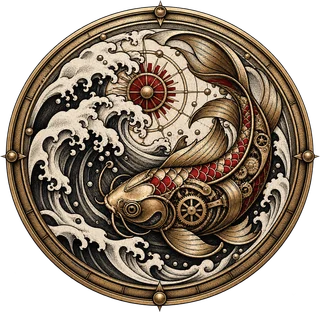
- Waves (Oli): These represent life’s journey—the resilience needed to navigate change, embodying the power and beauty of the sea.
- Flower (Pua): Different flowers carry unique meanings; for example, Plumeria or hibiscus can symbolize beauty, love, or remembrance.
- Mountains (Mauna): These stand for strength, stability, perseverance, and a connection to the gods.
- Tiki: Represent ancestral spirits and deities—sacred figures offering protection and guidance.
Cultural Significance & Traditional Practices
Traditionally, Kakau designs weren't just drawn; they were carefully applied by Kahuna—spiritual practitioners—using tools crafted from bone, shell, or wood. The specific design chosen was deeply personal, based on a person’s genealogy, achievements, and the intended purpose – often marking significant life events like adulthood or marriage.
Modern Interpretations & Respect
While modern tattooing offers more artistic freedom, it’s essential to approach Hawaiian tattoo designs with reverence and a genuine understanding of their traditional meanings. It's about honoring the culture, not just aesthetics.