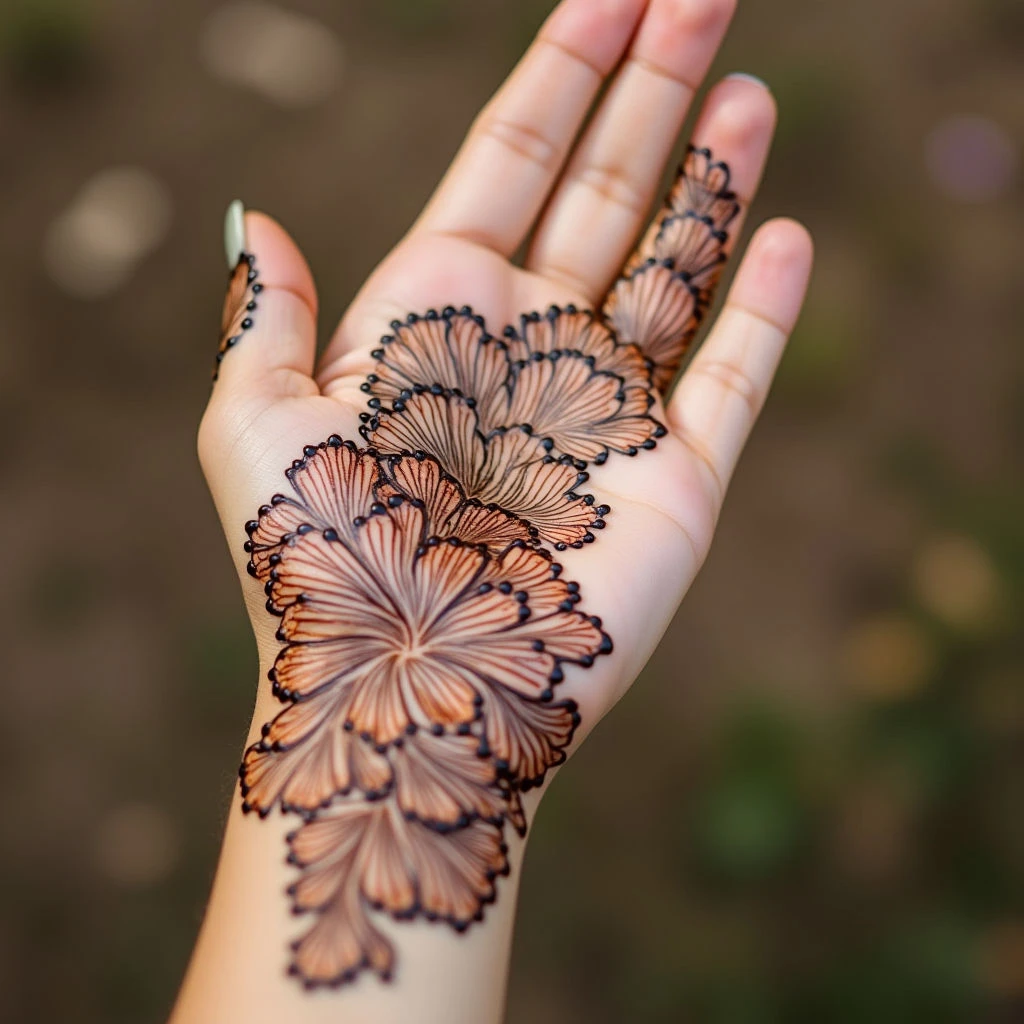
Henna designs are so much more than temporary tattoos—they’re intricate works of art with a deep cultural history. From ancient traditions to modern twists, henna provides a beautiful way to decorate the body with patterns that carry symbolism and beauty.
A Look Back: The History of Henna
Traditionally, henna designs have been used in South Asia, the Middle East, and Africa to mark important life events—weddings, births, festivals. Each design isn't just pretty; it carries a specific meaning, often representing blessings, protection, or good fortune.
Exploring Different Styles and Inspirations
While classic designs remain beloved, contemporary artists are constantly experimenting with new techniques and styles. Here's a quick overview:
Traditional Moroccan Henna
Recognizable by its bold lines, geometric shapes, and detailed floral patterns.
Indian Henna (Mehndi)
Often features intricate depictions of flowers, paisleys, and charming animal motifs.
Arabic Henna
Characterized by delicate teardrop shapes and elegant swirls.
Modern & Fusion Styles
These styles pull inspiration from all over—calligraphy, abstract art, even minimalist design principles.
Decoding the Symbols: What Do They Mean?
Certain henna symbols hold significant cultural meaning. For example:
- Paisleys: Represent fertility and abundance.
- Floral Patterns: Symbolize beauty, grace, and new beginnings.
- Geometric Shapes: Often represent protection and spiritual strength.
- Hands & Feet: Traditionally adorned to bring good luck in marriage and family life.