Home > Categories > tattoo symbolism meanings > Unlocking the Secrets of Henna Hand Tattoos: Meaning, Designs & Aftercare

Explore the rich symbolism and history behind henna hand tattoos. Discover popular designs, their meanings, and essential aftercare tips for beautiful, lasting results.

The Meaning and Magic of Henna Hand Tattoos

Henna hand tattoos are a captivating art form, steeped in history and meaning. They’re far more than just temporary designs; they often mark significant life events or represent deeply held beliefs.

A Journey Through History & Culture

The tradition of applying henna isn’t a new trend—it's an age-old practice found in Middle Eastern, African, and South Asian cultures. For centuries, henna has been used for ceremonies celebrating weddings, births, and religious festivals. These intricate patterns weren't simply decorative; people believed they brought blessings, protection, and good fortune.

Decoding the Symbolism

The meanings woven into henna designs can be deeply personal. While some symbols are universal, others shift depending on cultural context and individual interpretation.

Common Symbols & Their Meanings

  • Circles: Represent eternity, wholeness, and the cycle of life.
  • Paisley (Buta): Symbolizes fertility, abundance, and a connection to nature.
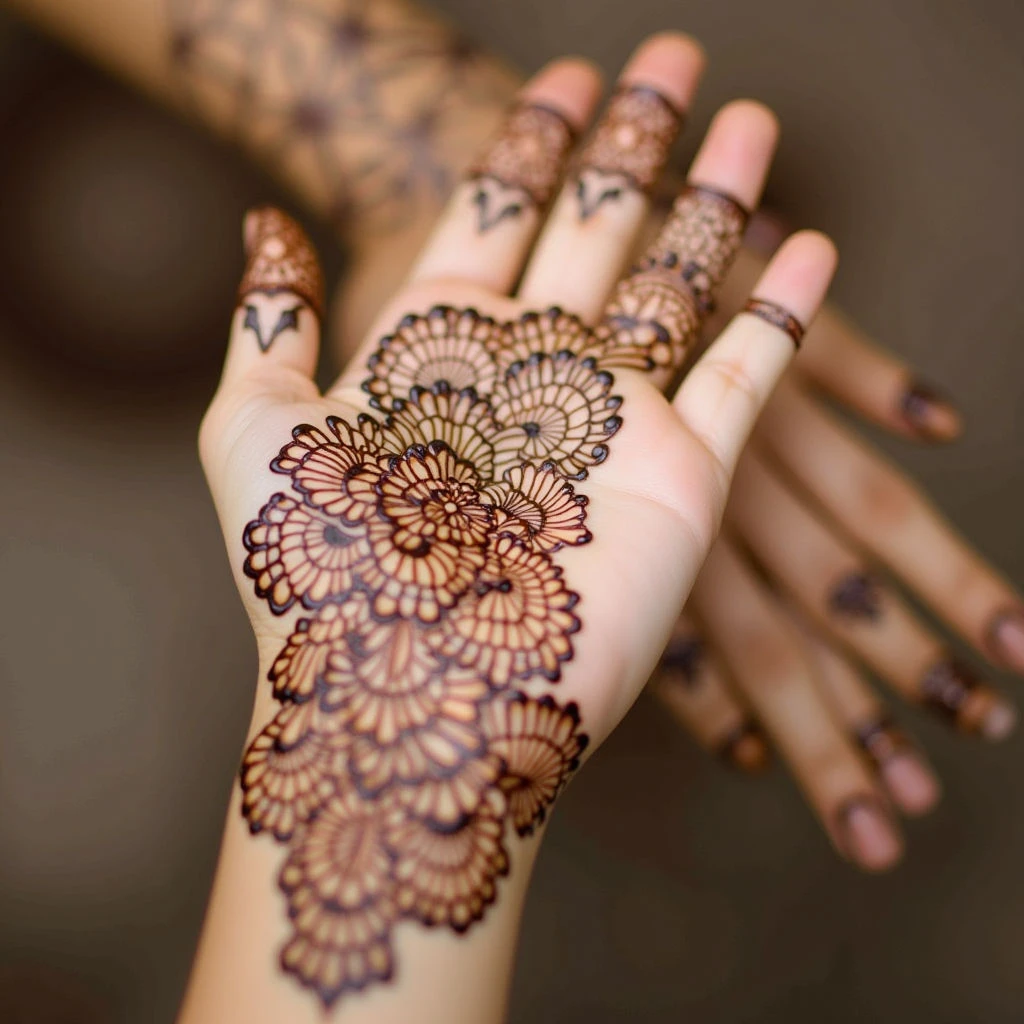
  • Floral Motifs: Often signify joy, beauty, and femininity.
  • Geometric Patterns: Can represent balance, harmony, and spiritual growth.
  • Mehendi Flowers: Bring good luck.

Popular Designs & Their Significance

Let's explore some popular henna designs and what they often represent.

Traditional Arabic Henna

Arabic henna is known for its bold, intricate patterns that frequently cover the entire hand and extend up the arm. You’ll often see these at weddings to symbolize blessings for the bride.

Indian Mehendi

Indian mehendi features delicate floral motifs, paisleys, and teardrop shapes. A fun tidbit: the darker the stain, the stronger the love of the groom!

Moroccan Henna

Moroccan henna is characterized by bold lines, geometric patterns, and often incorporates dots and squares.

Henna Aftercare: Preserving Your Artwork

Proper aftercare is essential to keep your henna tattoo looking its best. Here's what you need to know.

  • Avoid Water: Keep the design dry for at least 24-48 hours.
  • Natural Oils: Apply a natural oil like coconut or olive oil to moisturize your skin and help deepen the stain.
  • Loose Clothing: Wear loose-fitting clothes to prevent smudging.
  • Avoid Harsh Chemicals: Steer clear of soaps, lotions, and perfumes that can fade the henna.

Henna hand tattoos beautifully blend art, culture, and personal expression. By understanding the symbolism and following these aftercare tips, you can truly embrace this ancient tradition.

Unlocking the Secrets of Henna Hand Tattoos: Meaning, Designs & Aftercare

Home > Categories > tattoo symbolism meanings > Unlocking the Secrets of Henna Hand Tattoos: Meaning, Designs & Aftercare

Explore the rich symbolism and history behind henna hand tattoos. Discover popular designs, their meanings, and essential aftercare tips for beautiful, lasting results.

The Meaning and Magic of Henna Hand Tattoos

Henna hand tattoos are a captivating art form, steeped in history and meaning. They’re far more than just temporary designs; they often mark significant life events or represent deeply held beliefs.

A Journey Through History & Culture

The tradition of applying henna isn’t a new trend—it's an age-old practice found in Middle Eastern, African, and South Asian cultures. For centuries, henna has been used for ceremonies celebrating weddings, births, and religious festivals. These intricate patterns weren't simply decorative; people believed they brought blessings, protection, and good fortune.

Decoding the Symbolism

The meanings woven into henna designs can be deeply personal. While some symbols are universal, others shift depending on cultural context and individual interpretation.

Common Symbols & Their Meanings

  • Circles: Represent eternity, wholeness, and the cycle of life.
  • Paisley (Buta): Symbolizes fertility, abundance, and a connection to nature.
  • Floral Motifs: Often signify joy, beauty, and femininity.
  • Geometric Patterns: Can represent balance, harmony, and spiritual growth.
  • Mehendi Flowers: Bring good luck.

Popular Designs & Their Significance

Let's explore some popular henna designs and what they often represent.

Traditional Arabic Henna

Arabic henna is known for its bold, intricate patterns that frequently cover the entire hand and extend up the arm. You’ll often see these at weddings to symbolize blessings for the bride.

Indian Mehendi

Indian mehendi features delicate floral motifs, paisleys, and teardrop shapes. A fun tidbit: the darker the stain, the stronger the love of the groom!

Moroccan Henna

Moroccan henna is characterized by bold lines, geometric patterns, and often incorporates dots and squares.

Henna Aftercare: Preserving Your Artwork

Proper aftercare is essential to keep your henna tattoo looking its best. Here's what you need to know.

  • Avoid Water: Keep the design dry for at least 24-48 hours.
  • Natural Oils: Apply a natural oil like coconut or olive oil to moisturize your skin and help deepen the stain.
  • Loose Clothing: Wear loose-fitting clothes to prevent smudging.
  • Avoid Harsh Chemicals: Steer clear of soaps, lotions, and perfumes that can fade the henna.

Henna hand tattoos beautifully blend art, culture, and personal expression. By understanding the symbolism and following these aftercare tips, you can truly embrace this ancient tradition.