
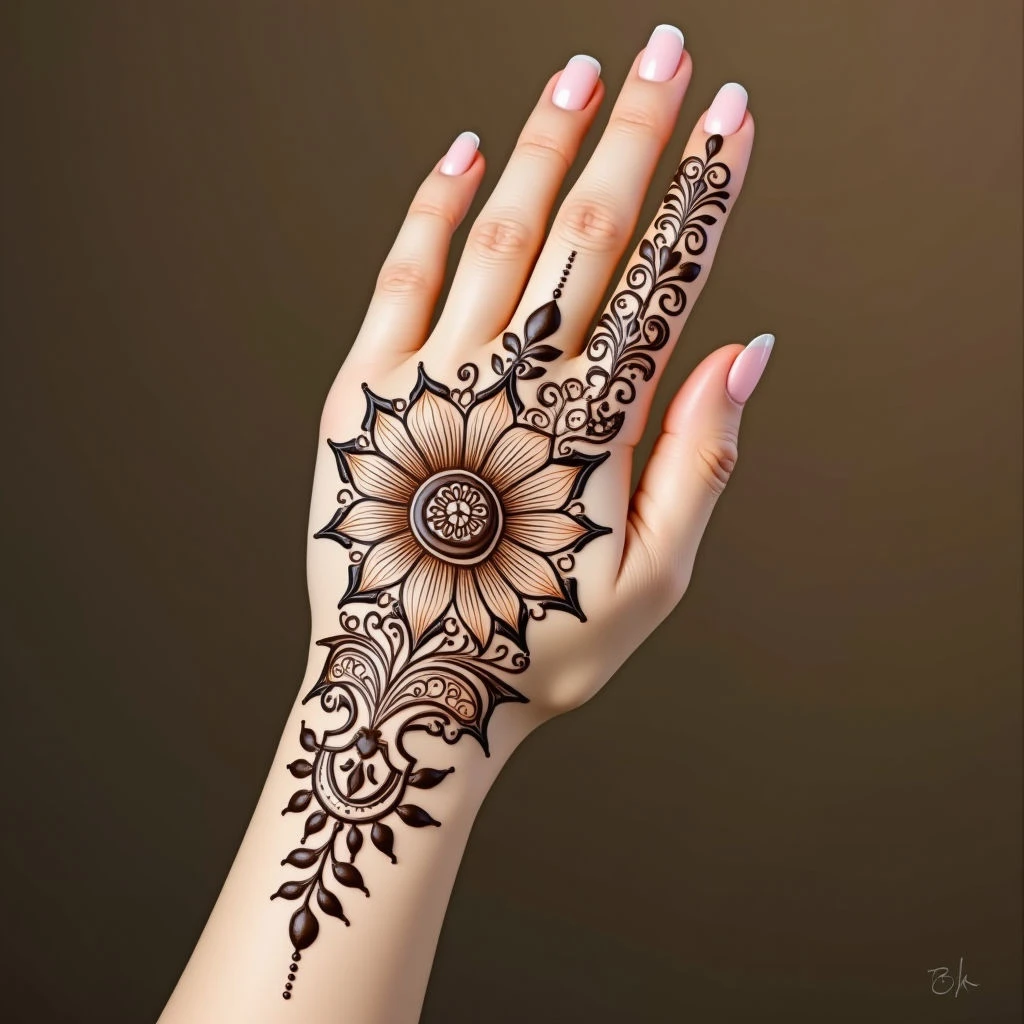
Henna tattoos are more than just beautiful adornments; they’re steeped in tradition, symbolism, and therapeutic potential. Originating from ancient cultures across the Middle East, Africa, and South Asia, these designs—often called mehndi—were initially used for ceremonial purposes: celebrating weddings, marking milestones, and invoking blessings.
Henna as a Healing Tool
For those carrying trauma, henna can be a powerful way to reclaim your body and embrace healing. The temporary nature of the design offers space for experimentation and self-discovery—a real benefit when navigating complex emotions or uncertain times. Applying henna often feels like a ritual, creating moments for introspection, mindfulness, and connection to cultural heritage. It’s an intentional act: honoring yourself, expressing grief, celebrating strength, or simply connecting with ancient traditions. If you're struggling with PTSD or body image issues, this temporary adornment can be a reminder of your self-worth and resilience.
Design Ideas & Symbolism
Traditional henna designs often feature intricate patterns like paisleys (representing fertility), floral motifs (symbolizing joy and growth), and geometric shapes (reflecting balance and harmony). But modern interpretations are truly limitless.
Memorial Tributes
Consider creating temporary tributes to loved ones—incorporating significant dates, initials, or symbols that held meaning for them. It’s a beautiful way to keep their memory alive.
Symbols of Recovery
Designs featuring lotus flowers (representing rebirth), birds in flight (symbolizing freedom), or protective symbols can visually represent your healing journey—a constant reminder of progress and strength.
Personalized Patterns
Get creative! Design custom patterns using elements that hold personal significance, like imagery from nature, sacred geometry, or artistic expressions. It’s all about making it uniquely yours.
Aftercare Essentials
To keep your henna tattoo vibrant and prevent skin irritation, proper aftercare is key. Avoid water exposure for 24 to 48 hours, apply natural oils like coconut or olive oil regularly, and protect the design from harsh chemicals and direct sunlight.
Embracing the Ephemeral
Henna’s temporary nature is part of its charm. Enjoy the beauty and symbolism while it lasts—knowing you can always create a new design as your journey unfolds.