Viking tattoos weren’t merely decoration; they were powerful statements about who someone was – their beliefs, status, and place in the world. These markings held deep meaning for Vikings, firmly rooted in Norse mythology and warrior culture.
A Glimpse into History
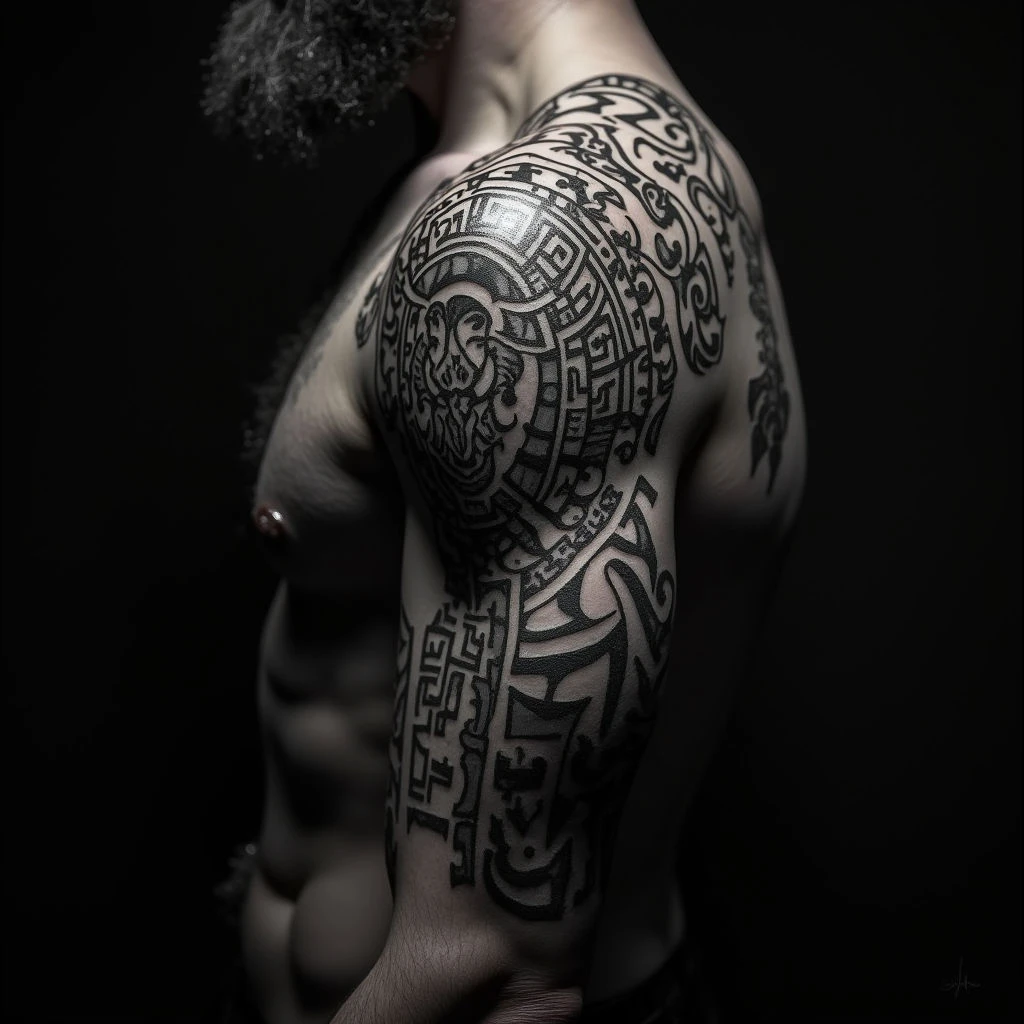
Archaeological finds suggest the Vikings practiced tattooing. Sadly, much of this tradition faded with Christianization. Common designs included runes, animal imagery—think wolves and ravens—and depictions of gods like Odin and Thor.
Key Symbols and Their Meanings
Let’s explore some of the most significant symbols found in Viking tattoos:
Runes
Each rune held a specific meaning, offering protection, wisdom, strength, or guidance. People often used them to represent names or call down blessings.
Valkyries
These warrior women symbolized fate and victory in battle. A Valkyrie tattoo was a declaration of courage and the pursuit of glory.
Jörmungandr (The World Serpent)
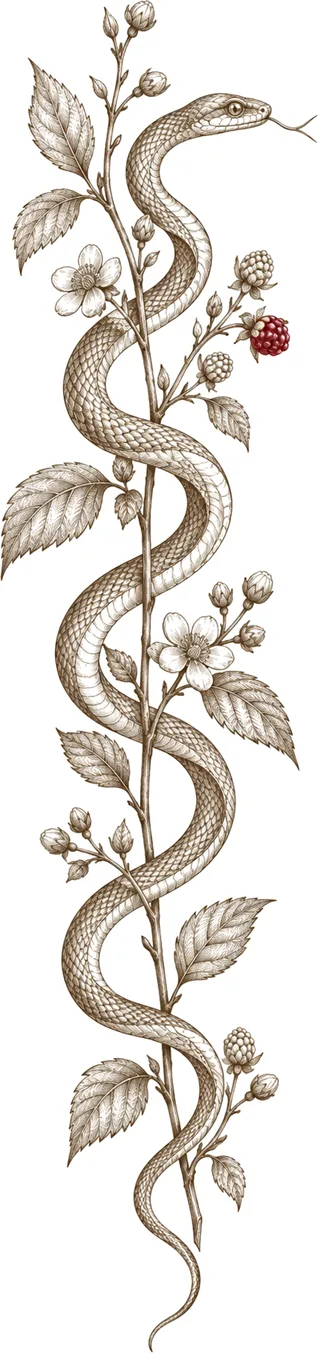
This massive serpent represented the endless cycle of life, death, and rebirth—a powerful symbol of immense strength.
Thor’s Hammer (Mjölnir)
Mjölnir symbolized protection, divine blessing, and raw power. It was a popular choice for those seeking strength and favor from the gods.
Animal Motifs
Animals also played a vital role in Viking symbolism: wolves represented loyalty and ferocity; ravens symbolized prophecy and wisdom, while bears embodied courage and resilience. It's fascinating how much meaning they packed into these images.
Even today, Viking tattoos continue to resonate with people, offering a tangible connection to a captivating period of history—a way to embody values like strength, resilience, and cultural identity.