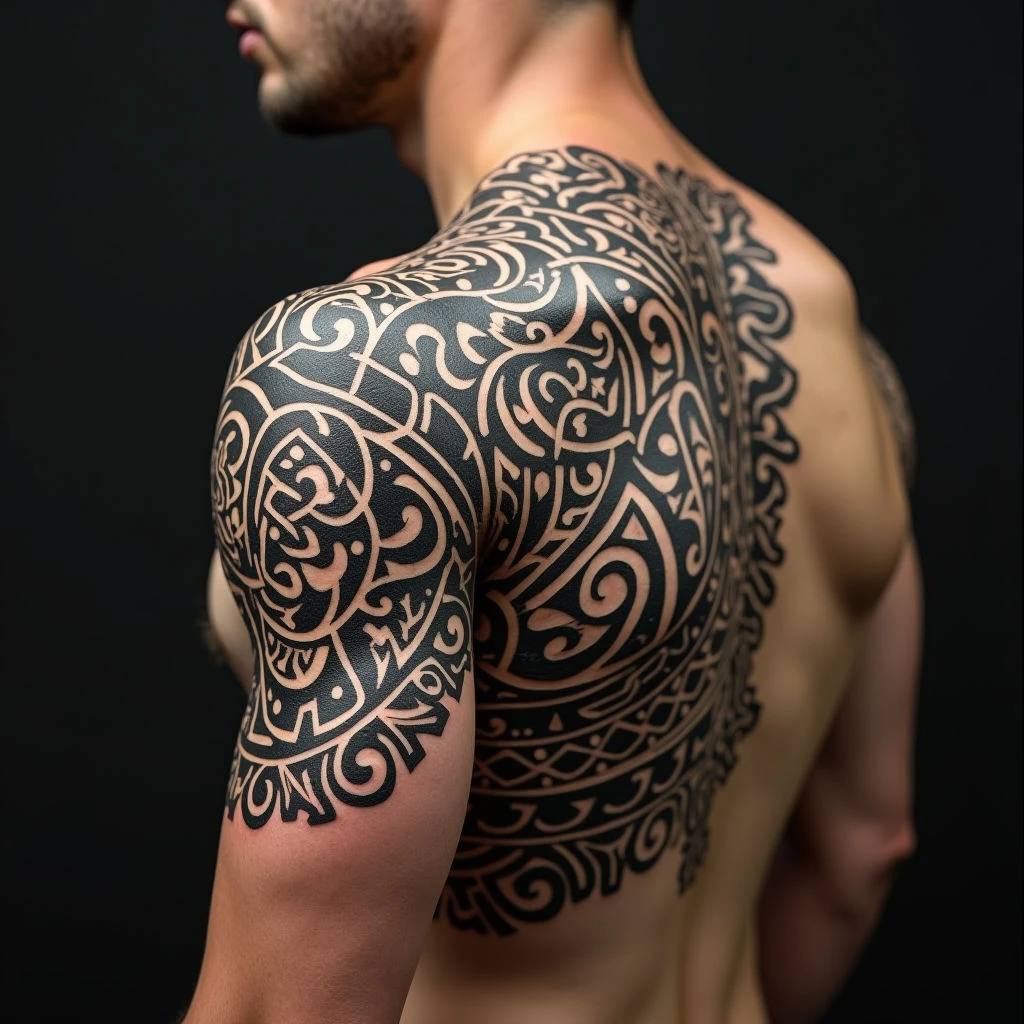
E ngā tāngata e hiahia ana ki te whakahou i to rourou o te tā moko, whakarongo mai! (Greetings to those who seek to enrich their understanding of ta moko – listen closely!) It's more than just aesthetics; it’s about honouring ancestry, embodying spiritual meaning, and upholding the mana of our traditions.
The western idea of simply “designing” a tattoo feels shallow when you consider what tā moko truly represents. In Polynesian cultures, it's woven into one’s identity – a visual story etched onto skin, sharing lineage, accomplishments, and connections to the spirit world.
The Journey Begins: Reflection & Consultation
Before even thinking about tools—whether traditional carving implements or modern machines—deep reflection and consultation are essential. It’s a crucial first step.
Your Lineage & Story
What story do you want to tell? Start by researching your whakapapa (genealogy). Understanding the symbols and patterns associated with your iwi (tribe) or hapū (sub-tribe) is vital. A tā moko isn't a fleeting trend; it’s a responsibility.
Guidance from Elders & Experts
Seek advice from kaumatua (elders), tohunga tā moko (traditional tattoo artists – though modern practitioners often blend techniques, their insight is invaluable), and those who know your lineage well. Their guidance ensures authenticity and helps avoid cultural appropriation.
Embracing Tradition
Familiarize yourself with traditional motifs—spirals representing life’s journey, koru symbolizing new beginnings, mangō signifying leadership and strength, and niho (teeth) patterns reflecting ancestral protection. Each element carries deep meaning.
The Sacred Process
Tā moko is a sacred ritual, so approach it with humility and respect for your ancestors and the traditions you're upholding. The process itself connects you to generations past.
Finding the Right Artist
Find a practitioner skilled in traditional techniques or deeply knowledgeable about Polynesian cultural protocols. A good artist will prioritize authenticity over personal style—it’s about honouring the culture, not just creating an image.
Remember, the skin is tapu (sacred). Treat it – and the entire process of tā moko – with the utmost respect. Kia kaha! (Be strong!)