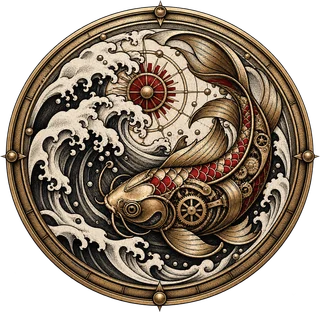
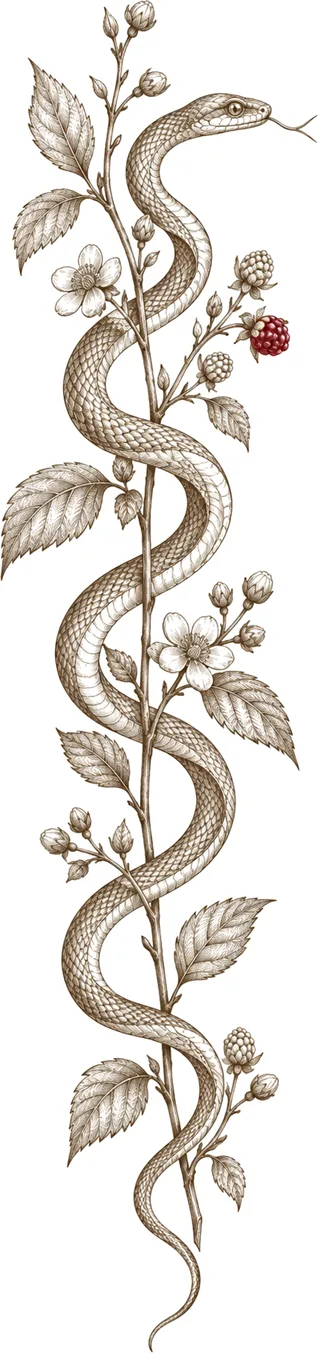
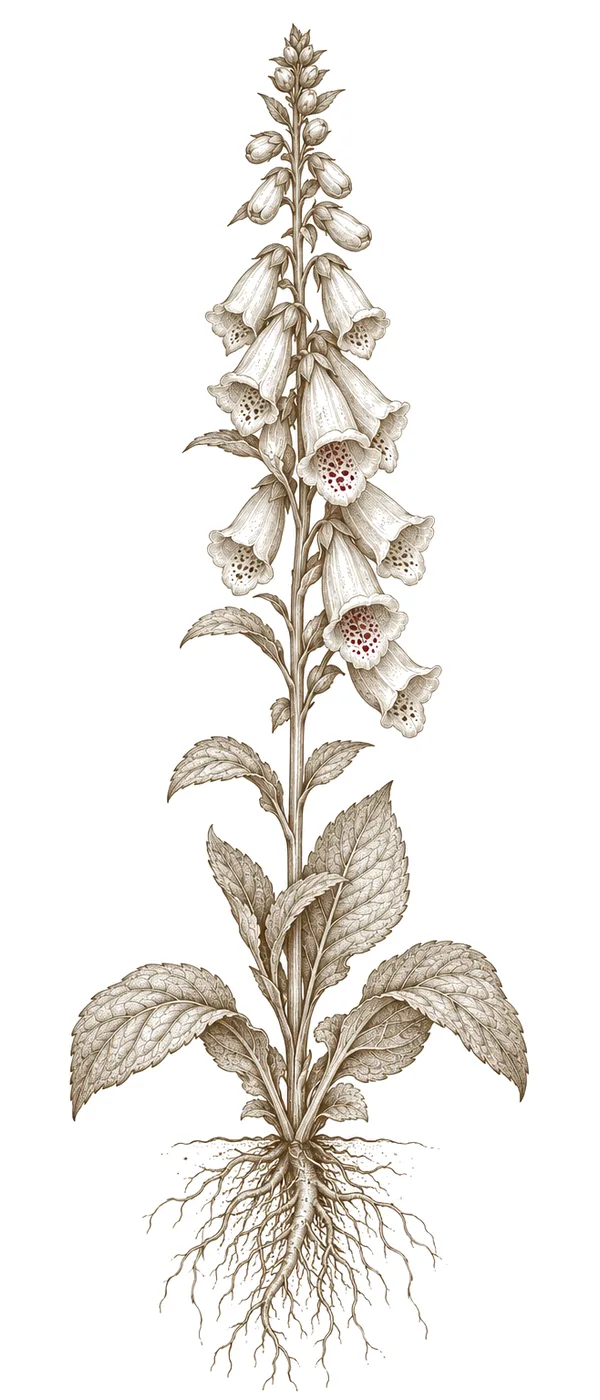
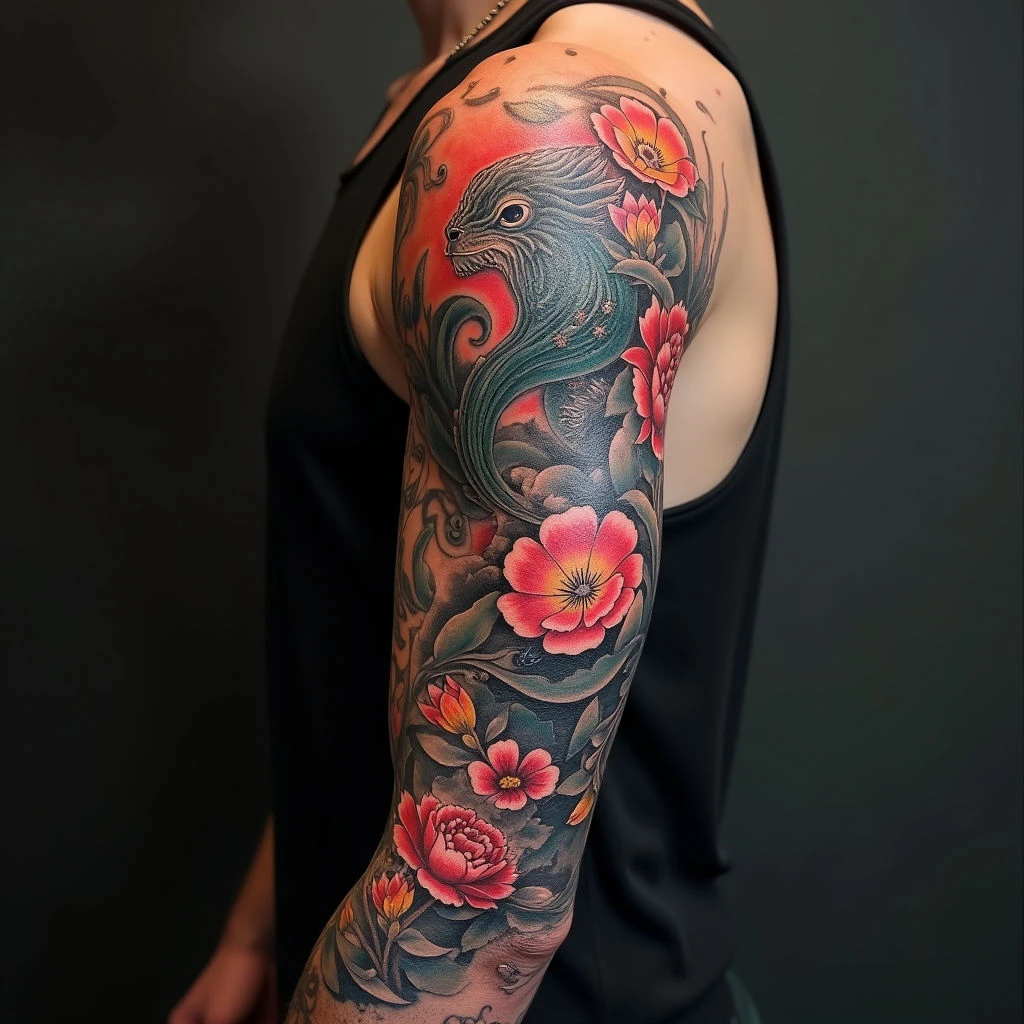
Getting an arm sleeve is a big deal—it's more than just ink; it’s telling a story on your skin. Here’s how to think about the process, from initial idea to final collaboration with an artist.
1. Concept & Theme: What's Your Story?
First, figure out what you want to communicate. It’s about more than just liking something; it’s about what resonates with your passions, beliefs, and personal journey. Think about themes that speak to you—maybe a sprawling forest scene, the power of mythology, significant historical moments, or even an abstract design.
2. Style Selection: Finding Your Visual Language
Next comes the style. Do you envision something traditional with bold outlines? Perhaps neo-traditional, packed with intricate details? Realism can create a photographic effect, while watercolor offers softness and flow. Blackwork delivers high contrast and impact. You could even blend styles—but that requires careful planning to make sure everything feels cohesive. It’s easy to get carried away!
3. Composition & Flow: The Shape of Your Arm
An arm sleeve naturally follows the curves and contours of your arm. Consider how elements will transition smoothly from shoulder to wrist—it’s not just about individual images, but how they connect. A skilled artist understands how muscles move and flex; this prevents blurring or stretching as you use your arm. It's a crucial detail for long-term wearability.
4. Placement Considerations: Comfort & Visibility
The inner arm tends to be less sensitive than the outer—something to keep in mind if you’re concerned about pain. Also, think about how visible you want your sleeve to be. Do you want it on display or something more subtle? These are personal choices with different implications.
5. Artist Collaboration: Finding the Right Partner
Finding an artist whose style aligns with your vision is key. Look for someone experienced in sleeve tattoos—they’ve seen it all and can offer valuable insights. Open communication and a willingness to work together are essential throughout the process. It's a partnership, really.