
Home > Categories > tattoo process techniques > How to Design Henna: A Step-by-Step Guide

Learn how to design beautiful henna patterns, even if you're a beginner! This step-by-step guide covers basic motifs and techniques.

Henna Body Art: A Beginner's Guide

Henna body art is an ancient tradition, celebrated across the globe for its beautiful designs and deep cultural meaning. Seeing professionals create intricate patterns is impressive—but designing your own henna can be surprisingly rewarding! This guide breaks down the process into easy steps, even if you’re just starting out.

Getting Started: Your Materials

First things first, let's gather what you need. You’ll want henna powder (either natural or a pre-mixed blend), something acidic like lemon juice to create the paste—a cone or bottle for application works well—and some paper for practicing.

Understanding Traditional Motifs

Traditional henna designs often use specific symbols, and understanding them is key. Here's a quick look:

  • Paisleys

    These teardrop shapes are incredibly versatile—they form the foundation for many designs.

  • Circles & Dots

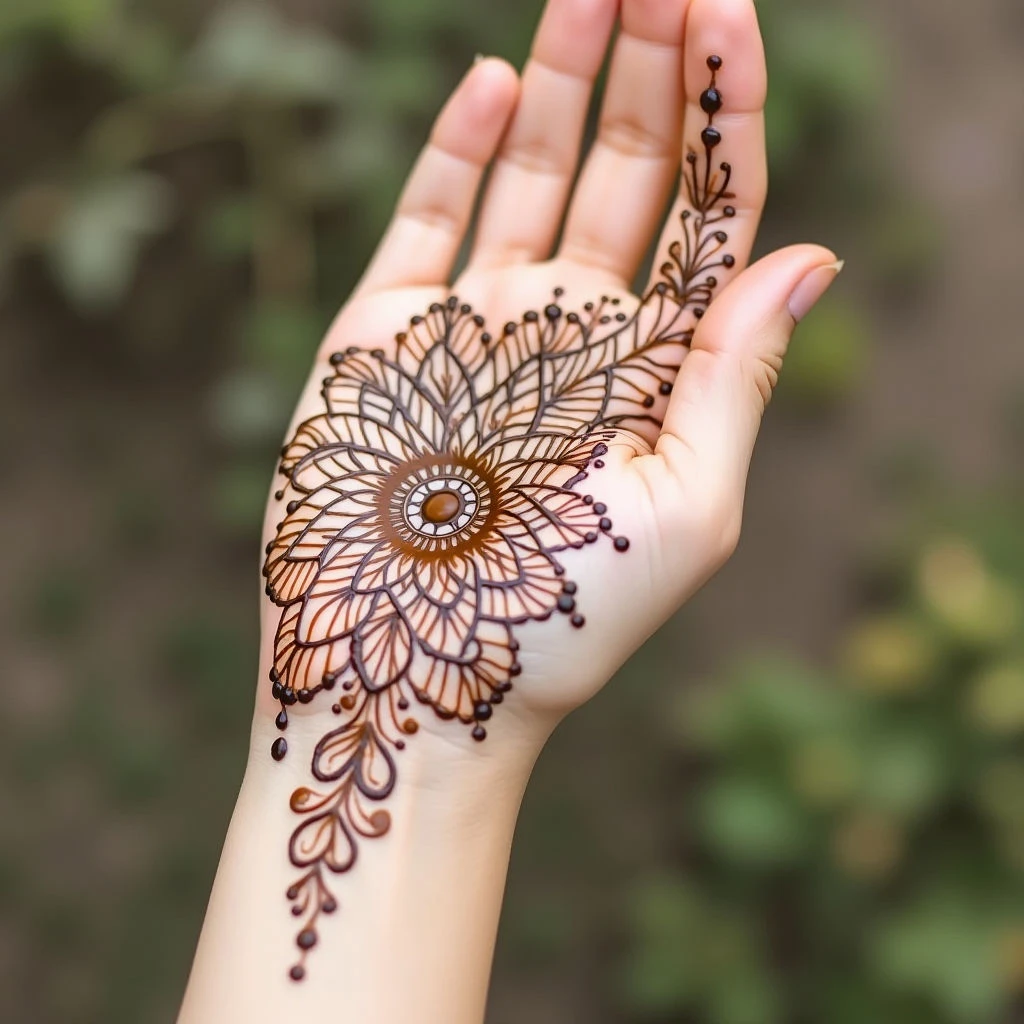
    Simple and elegant, circles and dots can be arranged in countless ways to create unique patterns.

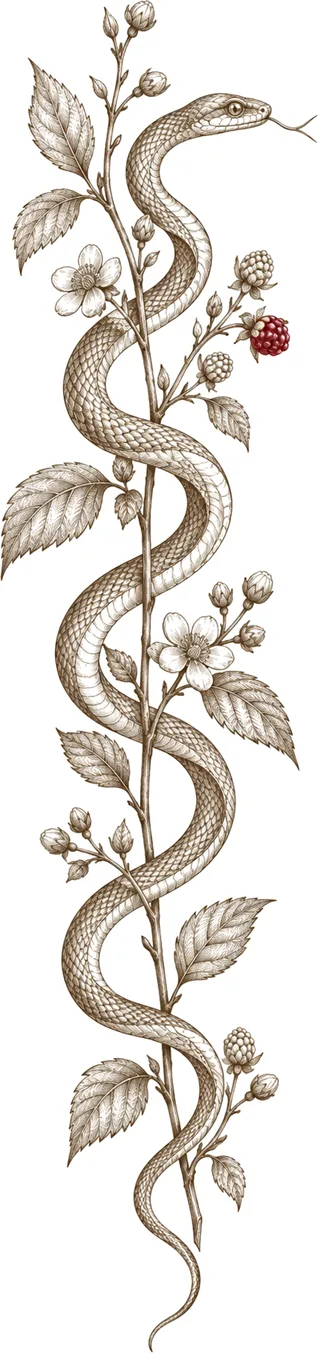
  • Leaves & Vines

    Representing growth and prosperity, leaves and vines add a natural feel to your henna art.

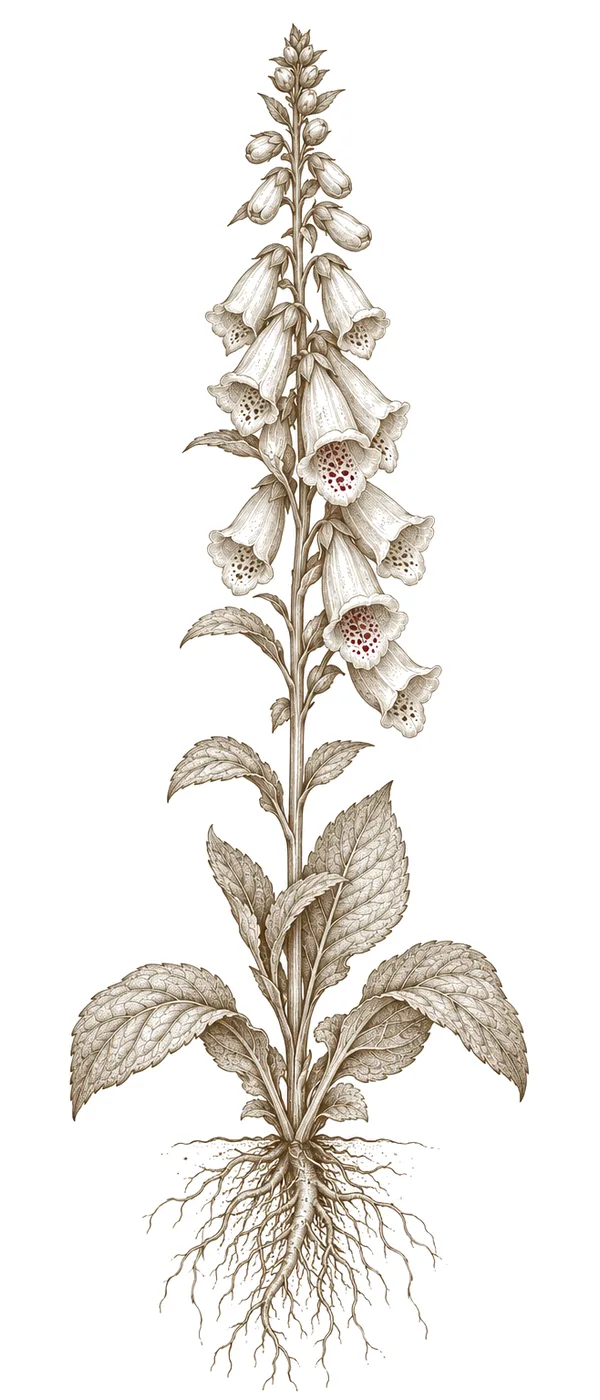
  • Flowers

    Flowers symbolize beauty and femininity—they bring grace and elegance to any design.

Practice Makes Perfect

Before you apply anything to your skin, practice drawing those motifs on paper. It's a great way to experiment with different combinations and layouts—see what feels right.

Creating Your Design

When you’re ready, start with a central point or focal area. Build outwards from there, using the motifs you've practiced. Don't be afraid to overlap shapes and create flowing lines—that’s what gives henna art its organic look.

Applying to Skin (Optional)

Once you feel confident, you can try applying your design to skin. Just remember to do a small patch test first—it’s always best to check for any allergic reactions.

How to Design Henna: A Step-by-Step Guide

Home > Categories > tattoo process techniques > How to Design Henna: A Step-by-Step Guide

Learn how to design beautiful henna patterns, even if you're a beginner! This step-by-step guide covers basic motifs and techniques.

Henna Body Art: A Beginner's Guide

Henna body art is an ancient tradition, celebrated across the globe for its beautiful designs and deep cultural meaning. Seeing professionals create intricate patterns is impressive—but designing your own henna can be surprisingly rewarding! This guide breaks down the process into easy steps, even if you’re just starting out.

Getting Started: Your Materials

First things first, let's gather what you need. You’ll want henna powder (either natural or a pre-mixed blend), something acidic like lemon juice to create the paste—a cone or bottle for application works well—and some paper for practicing.

Understanding Traditional Motifs

Traditional henna designs often use specific symbols, and understanding them is key. Here's a quick look:

  • Paisleys

    These teardrop shapes are incredibly versatile—they form the foundation for many designs.

  • Circles & Dots

    Simple and elegant, circles and dots can be arranged in countless ways to create unique patterns.

  • Leaves & Vines

    Representing growth and prosperity, leaves and vines add a natural feel to your henna art.

  • Flowers

    Flowers symbolize beauty and femininity—they bring grace and elegance to any design.

Practice Makes Perfect

Before you apply anything to your skin, practice drawing those motifs on paper. It's a great way to experiment with different combinations and layouts—see what feels right.

Creating Your Design

When you’re ready, start with a central point or focal area. Build outwards from there, using the motifs you've practiced. Don't be afraid to overlap shapes and create flowing lines—that’s what gives henna art its organic look.

Applying to Skin (Optional)

Once you feel confident, you can try applying your design to skin. Just remember to do a small patch test first—it’s always best to check for any allergic reactions.