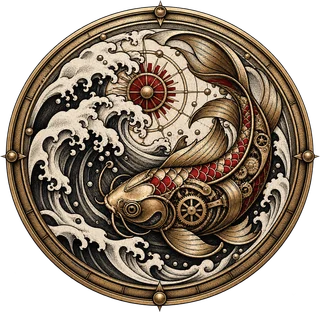
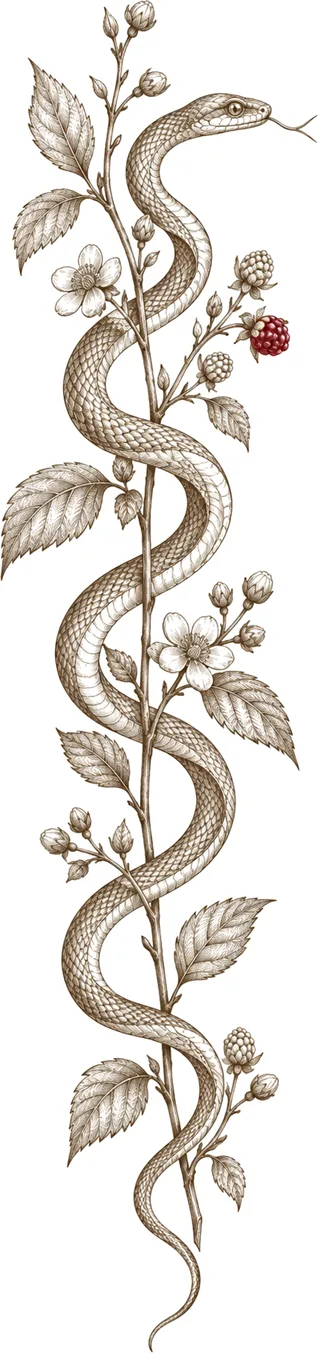
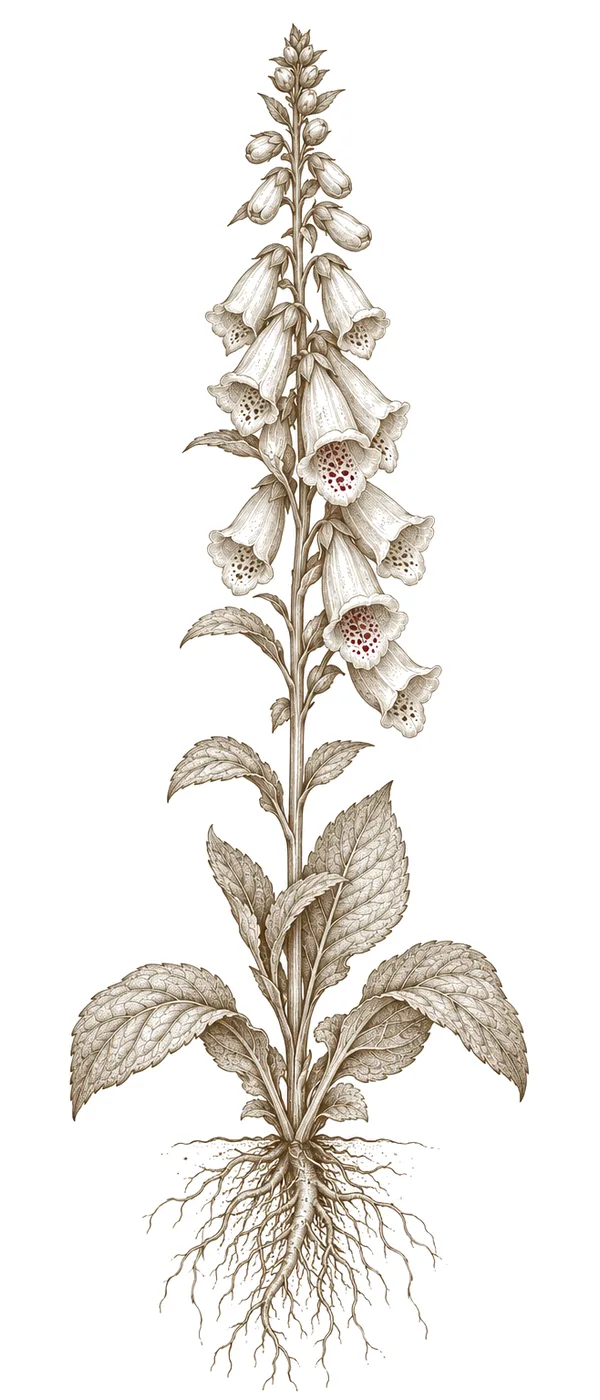

Drawing a tattoo design isn't just about putting ink on paper; it’s the process of transforming someone’s vision into something permanent. Here’s how it all comes together.
1. Conceptualization & Sketching: Laying the Foundation
It always starts with brainstorming – figuring out exactly what the client wants. Gather references—photos, drawings, anything that sparks inspiration. Don’t stress about perfection at this stage; loose sketching is key to exploring different ideas.
2. Refining the Design: Composition and Flow
Once you have a basic sketch, it’s time for refinement. Really focus on composition—how all the elements work together—as well as line weight and details. Think about how the design will wrap around the body; that's crucial. Tracing paper is your friend here – experiment with different layouts until you find one that feels right.
3. Stencil Creation: Precision Matters
This step is vital for a clean, professional tattoo. Clean lines are non-negotiable! You have two main options:
-
Traditional Stencils
Ink your finalized design onto transfer paper, then use it to trace directly onto the client’s skin. -
Digital Stencils
Scan or photograph your design, clean it up digitally (Photoshop works great for this), and print the result onto transfer paper.
4. Transferring to Skin: Practice Makes Perfect
Placement is everything! Take your time, ensure it’s exactly where you want it, and use a firm hand when tracing the stencil onto the skin.
5. Client Collaboration: A Partnership
Keep your client in the loop throughout the entire process. Show them sketches, get their feedback, and be prepared to make adjustments based on their input—it’s a collaborative effort.