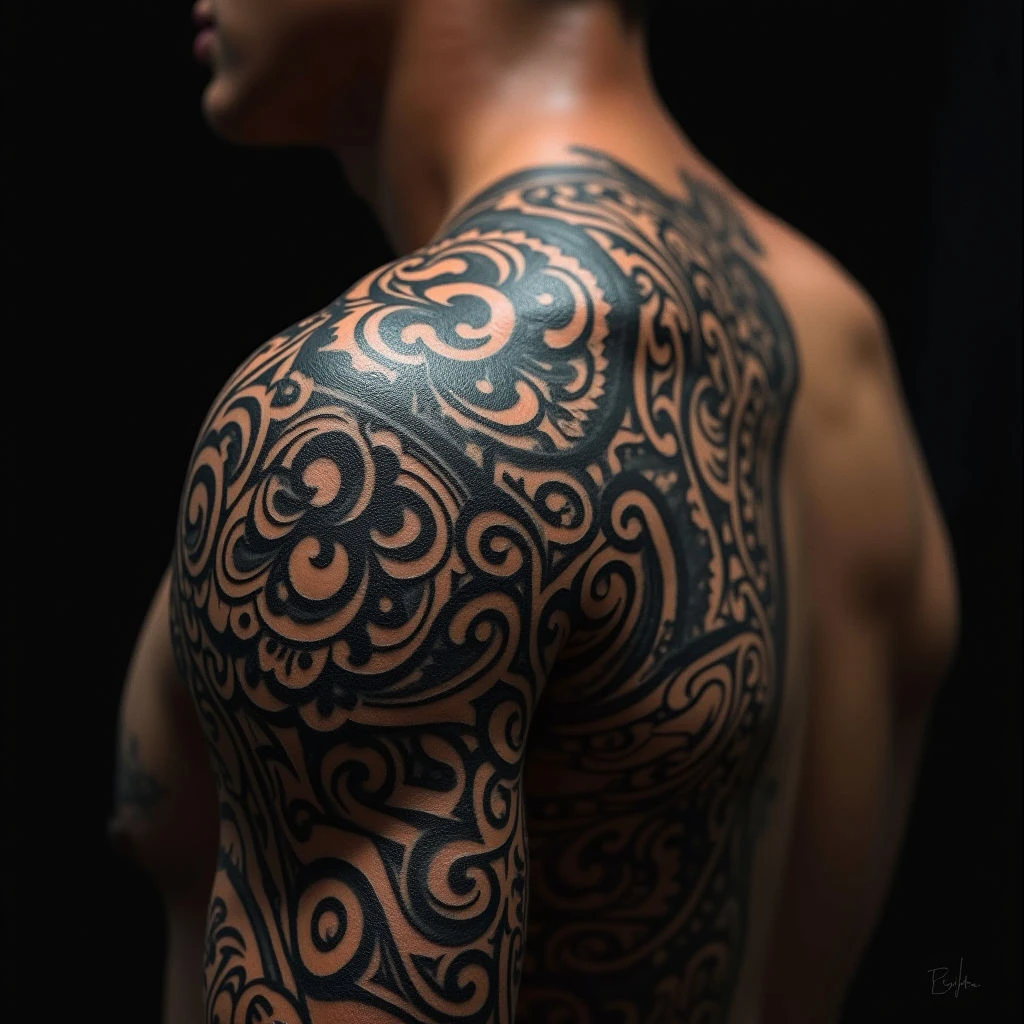
E āhea koe e hiahia ana ki te whakangū i tō moko? (When do you wish for your skin marking?) Getting a traditional Polynesian tattoo – particularly ta moko – is more than just aesthetics; it's a deep commitment. It’s an invitation to connect with ancestors, share your story, and honor the traditions of our Pacific Islands.
The Significance of Ta Moko
Ta moko carries so much—whakapapa (genealogy), history, social standing, and personal achievements. Rushing into a design or choosing something carelessly can feel disrespectful to those profound meanings.
Finding the Right Artist
It's vital to find an artist deeply connected to Polynesian traditions. They need to understand the protocols (tikanga) surrounding ta moko. It’s not just about creating a beautiful image; they’ll guide you through cultural considerations and help determine if receiving a moko is right for you.
The Consultation Process
Think of the consultation as more than just discussing design ideas. It’s a chance to share your story, lineage, and intentions with the artist. Be ready for questions about your whakapapa (genealogy) and why you want a moko.
Design Development & Approval
The artist will research your family history to develop designs that fit your status and aspirations. This takes time and respect—don’t rush it. You need to be completely confident in the design's accuracy and cultural relevance.
The Ceremony – A Traditional Element
Traditionally, moko was applied during a ceremony filled with chanting, rituals, and blessings. While not always followed today, understanding its significance is important.
Ultimately, getting a Polynesian tattoo isn’t about following trends; it's about honoring ancestors and protecting the integrity of this sacred art form.