
Home > Categories > tattoo process techniques > How to Make Mehndi Designs in Hand: A Beginner's Guide

Learn how to create beautiful mehndi designs at home! This beginner-friendly guide covers everything from basic patterns to advanced techniques.

The Intricate Beauty of Mehndi Designs

As an apprentice learning various art forms, I find the precision and cultural significance deeply inspiring. It’s more than just decorating your hands; it's about storytelling, tradition, and artistry.

Getting Started: Your Tools & Materials

  • Henna Powder: Not all henna is created equal! Look for 'body art quality' henna – this ensures a rich, dark stain. I once made the mistake of using regular henna…let’s just say the results were disappointing and patchy. Lesson learned!
  • Essential Oil (Eucalyptus or Tea Tree): This helps the dye bind to your skin and creates a deeper color. Don’t skip this! It's like the secret ingredient.
  • Lemon Juice/Sugar: To adjust consistency – lemon for thin lines, sugar for smoother application.
  • Application Tools: Cones are easiest for beginners, but you can also use bottles or syringes. I started with cones; they’re much more forgiving when you're still learning to control the flow.

Basic Mehndi Patterns: Building Blocks of Beauty

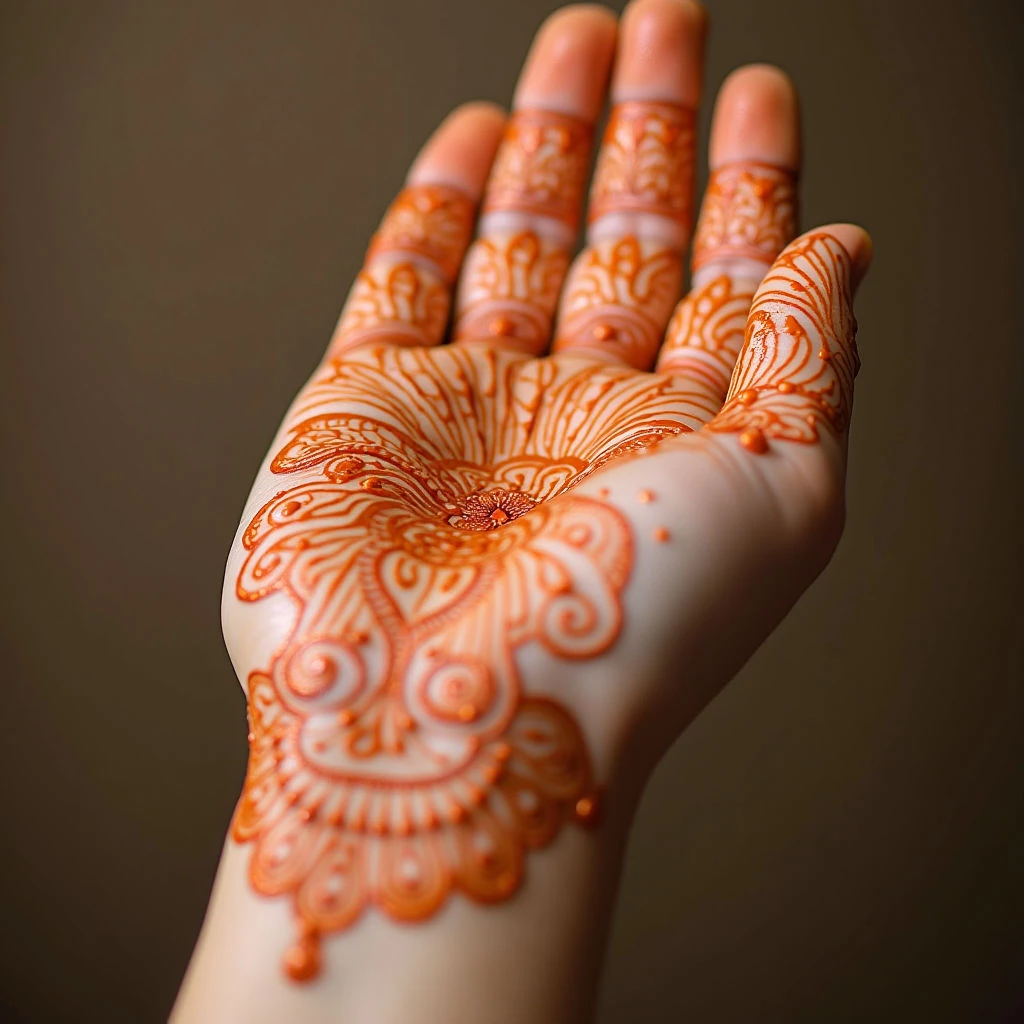
  1. Dots: The foundation for many patterns. Consistency is key – aim for even size and spacing. I used to get frustrated with uneven dots, but practice really does make perfect.
  2. Circles: Combine dots to create circles, then layer them.
  3. Petals: Easy teardrop shapes that form beautiful floral motifs.

Tips & Tricks from a Beginner's Perspective

  • Consistency is Everything: The paste should be like toothpaste – not too thick, not too runny. Too thin and it’ll spread; too thick and it will clog your cone.
  • Practice on Paper First: Seriously! I wasted so much henna before I started practicing on paper. It's a lifesaver.
  • Don’t Worry About Perfection: Mehndi is about celebrating, not perfection. Embrace the imperfections – they add character! Mehndi art takes patience and practice. Don’t get discouraged if your first attempts aren’t perfect. Every line teaches you something new.

How to Make Mehndi Designs in Hand: A Beginner's Guide

Home > Categories > tattoo process techniques > How to Make Mehndi Designs in Hand: A Beginner's Guide

Learn how to create beautiful mehndi designs at home! This beginner-friendly guide covers everything from basic patterns to advanced techniques.

The Intricate Beauty of Mehndi Designs

As an apprentice learning various art forms, I find the precision and cultural significance deeply inspiring. It’s more than just decorating your hands; it's about storytelling, tradition, and artistry.

Getting Started: Your Tools & Materials

  • Henna Powder: Not all henna is created equal! Look for 'body art quality' henna – this ensures a rich, dark stain. I once made the mistake of using regular henna…let’s just say the results were disappointing and patchy. Lesson learned!
  • Essential Oil (Eucalyptus or Tea Tree): This helps the dye bind to your skin and creates a deeper color. Don’t skip this! It's like the secret ingredient.
  • Lemon Juice/Sugar: To adjust consistency – lemon for thin lines, sugar for smoother application.
  • Application Tools: Cones are easiest for beginners, but you can also use bottles or syringes. I started with cones; they’re much more forgiving when you're still learning to control the flow.

Basic Mehndi Patterns: Building Blocks of Beauty

  1. Dots: The foundation for many patterns. Consistency is key – aim for even size and spacing. I used to get frustrated with uneven dots, but practice really does make perfect.
  2. Circles: Combine dots to create circles, then layer them.
  3. Petals: Easy teardrop shapes that form beautiful floral motifs.

Tips & Tricks from a Beginner's Perspective

  • Consistency is Everything: The paste should be like toothpaste – not too thick, not too runny. Too thin and it’ll spread; too thick and it will clog your cone.
  • Practice on Paper First: Seriously! I wasted so much henna before I started practicing on paper. It's a lifesaver.
  • Don’t Worry About Perfection: Mehndi is about celebrating, not perfection. Embrace the imperfections – they add character! Mehndi art takes patience and practice. Don’t get discouraged if your first attempts aren’t perfect. Every line teaches you something new.