

Home > Categories > design inspiration styles > How to Think of a Good Tattoo: A Guide for Lasting Art

Struggling with tattoo ideas? Explore classic tattoo styles, symbolism and the process from initial concept to lasting art.

Choosing a Tattoo Design: A Guide to Meaning and Tradition

Finding the perfect tattoo isn't just about aesthetics; it’s about creating art you’ll cherish for years. Here’s how to approach this process with respect for tradition and your own story in mind.

Understanding Tattoo History & Styles

Classic American traditional tattoos, popularized by artists like Sailor Jerry, were more than just decorations. They represented heritage, profession, and shared experiences—think anchors for a sailor’s life at sea, roses symbolizing love or loss, and eagles embodying freedom and strength. These designs carry significant historical weight.

Exploring Symbolism

What truly matters to you? What stories do you want your skin to tell? Consider symbols that resonate with your personal journey—a compass for guidance, a phoenix representing resilience, or even a constellation connecting you to the cosmos. It’s worth researching the cultural origins of any symbol to ensure it aligns with your intended meaning.

Blending Tradition and Personalization

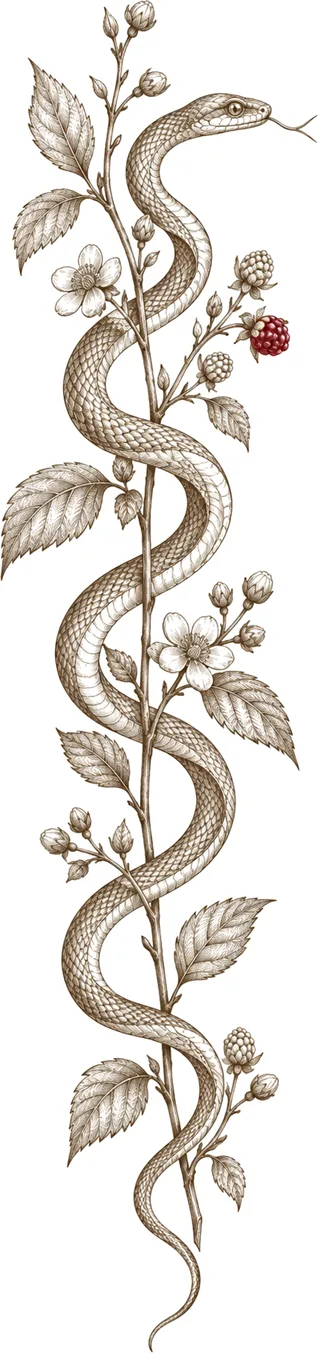
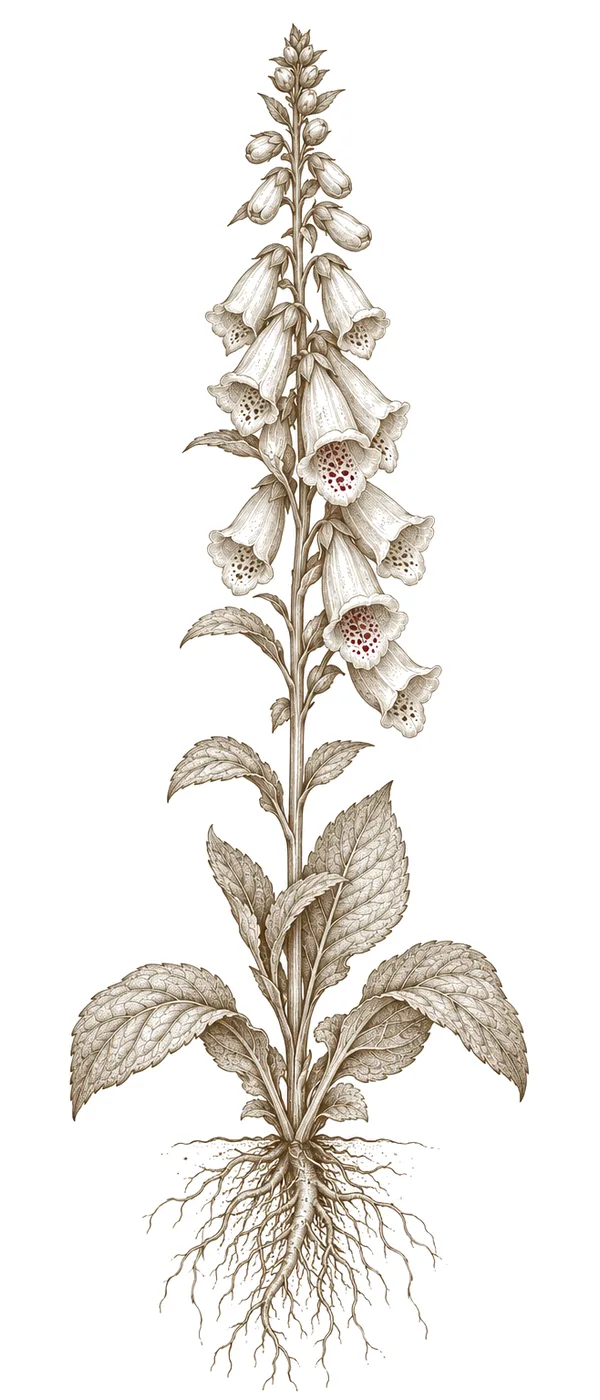
Neo-traditional tattoos build on classic foundations, allowing for richer colors and more detail. You could incorporate elements from traditional styles while adding your own touches—perhaps a favorite flower rendered in a neo-traditional style or a portrait of someone special blended into an Americana landscape.

Working with Your Artist

The best tattoo artists are collaborators. Bring your ideas, even if they’re just vague notions, and be open to their expertise. They can refine your vision, suggest ideal placements, and ensure the design translates beautifully onto skin. A good tattoo is more than ink; it's a lasting legacy.

Take your time, do some research, and choose an artist you trust—your body is a canvas worthy of enduring art.

How to Think of a Good Tattoo: A Guide for Lasting Art

Home > Categories > design inspiration styles > How to Think of a Good Tattoo: A Guide for Lasting Art

Struggling with tattoo ideas? Explore classic tattoo styles, symbolism and the process from initial concept to lasting art.

Choosing a Tattoo Design: A Guide to Meaning and Tradition

Finding the perfect tattoo isn't just about aesthetics; it’s about creating art you’ll cherish for years. Here’s how to approach this process with respect for tradition and your own story in mind.

Understanding Tattoo History & Styles

Classic American traditional tattoos, popularized by artists like Sailor Jerry, were more than just decorations. They represented heritage, profession, and shared experiences—think anchors for a sailor’s life at sea, roses symbolizing love or loss, and eagles embodying freedom and strength. These designs carry significant historical weight.

Exploring Symbolism

What truly matters to you? What stories do you want your skin to tell? Consider symbols that resonate with your personal journey—a compass for guidance, a phoenix representing resilience, or even a constellation connecting you to the cosmos. It’s worth researching the cultural origins of any symbol to ensure it aligns with your intended meaning.

Blending Tradition and Personalization

Neo-traditional tattoos build on classic foundations, allowing for richer colors and more detail. You could incorporate elements from traditional styles while adding your own touches—perhaps a favorite flower rendered in a neo-traditional style or a portrait of someone special blended into an Americana landscape.

Working with Your Artist

The best tattoo artists are collaborators. Bring your ideas, even if they’re just vague notions, and be open to their expertise. They can refine your vision, suggest ideal placements, and ensure the design translates beautifully onto skin. A good tattoo is more than ink; it's a lasting legacy.

Take your time, do some research, and choose an artist you trust—your body is a canvas worthy of enduring art.