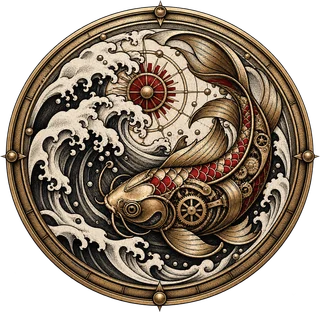
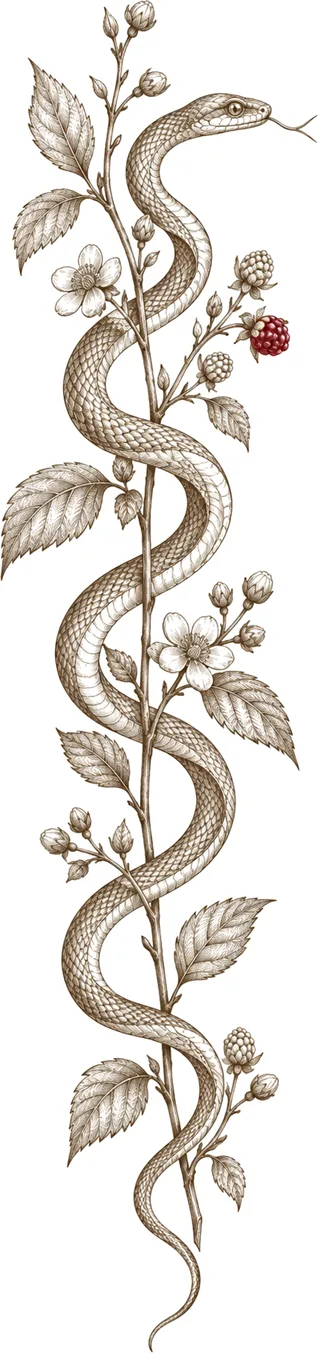
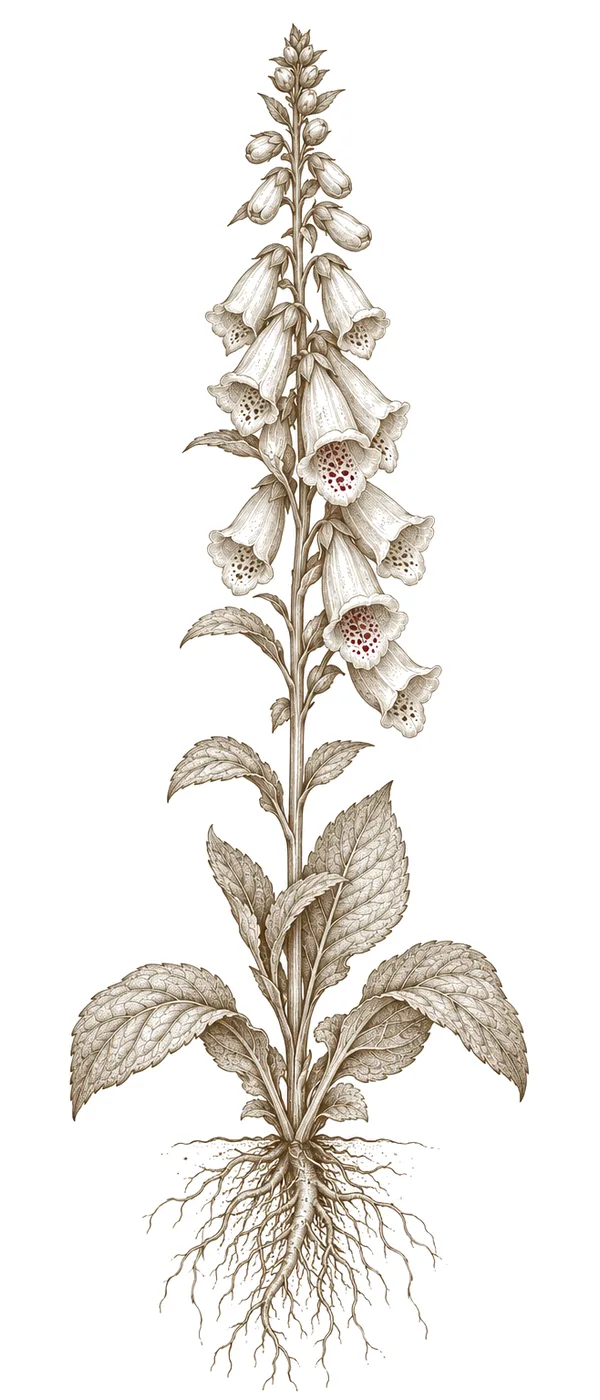
The allure of Irish and Celtic tattoos isn’t just about aesthetics; it's rooted in history and symbolism. These designs feel like whispers from ancient clans, carrying spiritual beliefs and a sense of enduring strength—a powerful statement for those drawn to their beauty and mystery.
A Tapestry of Meaning
Traditional Irish and Celtic tattoos often draw inspiration from nature. The trinity knot, for example, represents interconnectedness; the Celtic cross symbolizes faith. You'll also see animals like wolves or ravens—each embodying protection and wisdom. These symbols resonate deeply with a sense of heritage and personal identity.
Design Styles & Inspiration
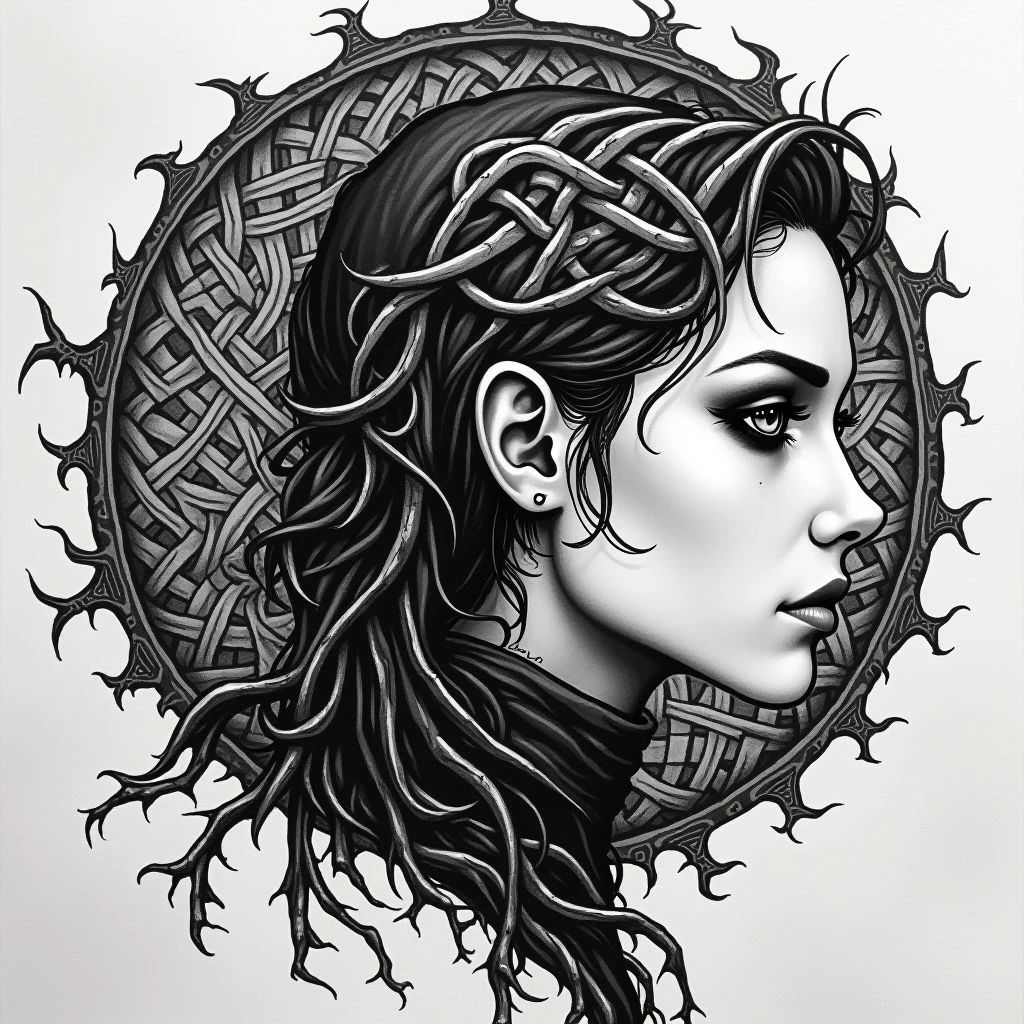
Classic knotwork remains iconic, but modern interpretations are pushing boundaries. I'm seeing intricate Celtic knots interwoven with thorny vines, spectral wolves rising from swirling mists, and even stark blackwork depictions of the Morrigan—the Irish goddess of war and fate.
A Darker Perspective
As an artist working with horror and gothic imagery, I’m often drawn to the darker side of Celtic folklore. Imagine a traditional knotwork design subtly distorted by twisting shadows—or the vibrant colors of a watercolor bleeding into ominous monochrome. It's about capturing that interplay between beauty and melancholy.
The legacy of Irish and Celtic art is vast, haunting, and offers endless creative possibilities. It’s an invitation to tell stories on our skin—stories that echo through time.