Japanese masks are deeply embedded in culture, often embodying spirits, demons, or characters from folklore and theater. They’re far more than mere decorations—they carry layers of symbolism that connect to both personal stories and shared cultural experiences.
Common Mask Types Explained
Let's look at some frequently encountered mask types and what they represent. It’s fascinating how much meaning is packed into each one.
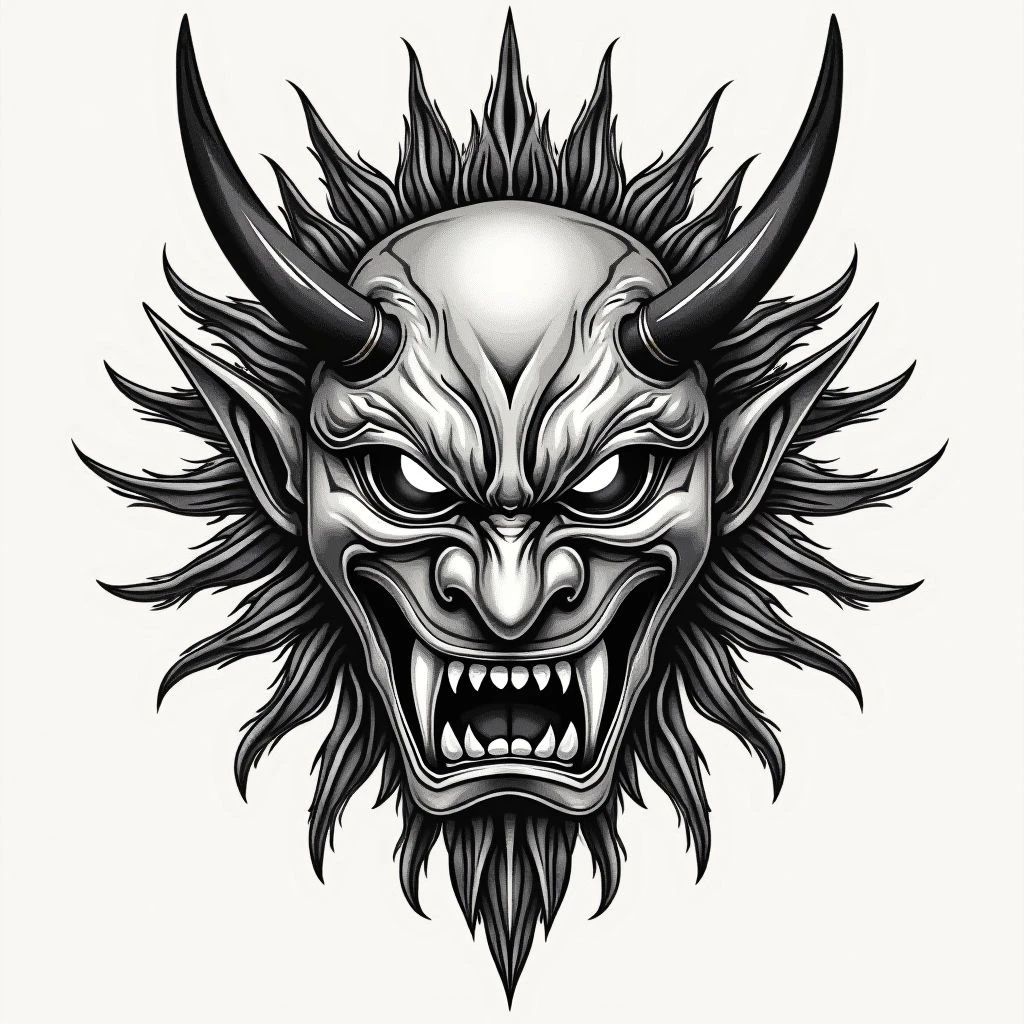
Oni Masks (Demon)
Oni masks symbolize strength, the ability to overcome challenges, and facing your inner demons. They can be seen as a form of protection against negativity or a personal journey toward self-mastery—a powerful visual reminder.
Hannya Masks (Female Demon)
These masks often depict anger, jealousy, and suppressed emotions. Someone choosing a Hannya mask tattoo might be acknowledging and working through difficult feelings; it's about recognizing the shadows within.
Tengu Masks (Bird-Man)
Representing wisdom, discipline, and the pursuit of knowledge, Tengu masks are associated with mountain spirits and martial arts. They’re a symbol of striving for something greater than yourself.
Masks as Healing Symbols
For those who've faced trauma or hardship, a mask tattoo can be an incredibly potent reminder of resilience and the ability to transform pain. Covering scars with these meaningful symbols is a way of reclaiming your body and your story—the process itself becomes part of that healing.
The artistry behind Japanese mask tattoos is remarkable, emphasizing intricate details and bold linework. The result is visually striking pieces that truly capture the essence of their symbolic meaning.