
Japanese tattoos hold deep tradition, brimming with symbolism and cultural weight. They're more than just ink; they tell stories—visual narratives reflecting history, beliefs, and personal journeys.
A Brief History of Irezumi
Traditionally, Japanese tattooing (known as Irezumi) was linked to the Yakuza, sometimes used to signify status or even punishment. But over time, it’s blossomed into an art form—one appreciated globally for its intricate designs and powerful meanings.
Popular Symbols & Their Meanings
Let's look at some common motifs:
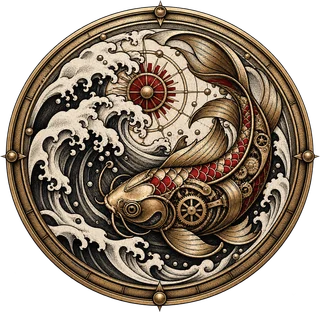
- Koi Fish (鯉): Represents perseverance and strength—a symbol of overcoming challenges to achieve success.
- Dragon (竜 / 龍): A powerful emblem of wisdom, courage, and protection. Often associated with water, dragons also symbolize prosperity.
- Cherry Blossom (桜 - Sakura): Captures the beauty and fragility of life—a reminder to cherish each moment.
- Tiger (虎): Embodies bravery, strength, and resilience in the face of adversity.
- Phoenix (不死鳥 - Hō-dori): A symbol of rebirth, renewal, and immortality—a beacon of hope.
- Kitsune (狐): Fox spirits known for their intelligence and magical abilities; they represent transformation and good fortune.
Design Considerations
Placement matters! Think about how the design flows with your body's contours. Traditional Japanese tattoos often wrap around arms or legs, but smaller symbols can be placed almost anywhere you like. Color choices are also key—bold reds and blacks create striking contrast against softer pastels.
Finding the Right Artist
When seeking an artist, prioritize those who specialize in traditional Japanese tattooing (Irezumi). Look closely at their portfolios to assess their skill and understanding of Japanese culture—it's a crucial element.