Japanese tattoos, known as irezumi, have a fascinating history deeply connected to culture and tradition. They're quite different from Western tattoo styles—often involving full body designs featuring mythical creatures, landscapes, and scenes from the past.
A History of Meaning
For a long time, these elaborate tattoos were linked to the Yakuza—Japan’s organized crime groups. But now, there's a growing appreciation for their artistry and cultural significance.
Symbolism in Every Stroke
The motifs used in irezumi aren’t just decorative; they carry deep meaning. Let's look at a few examples:
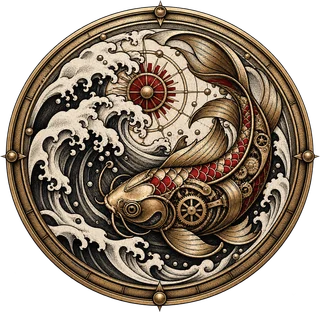
- Koi Fish: Represent perseverance, courage, and transformation—a powerful combination.
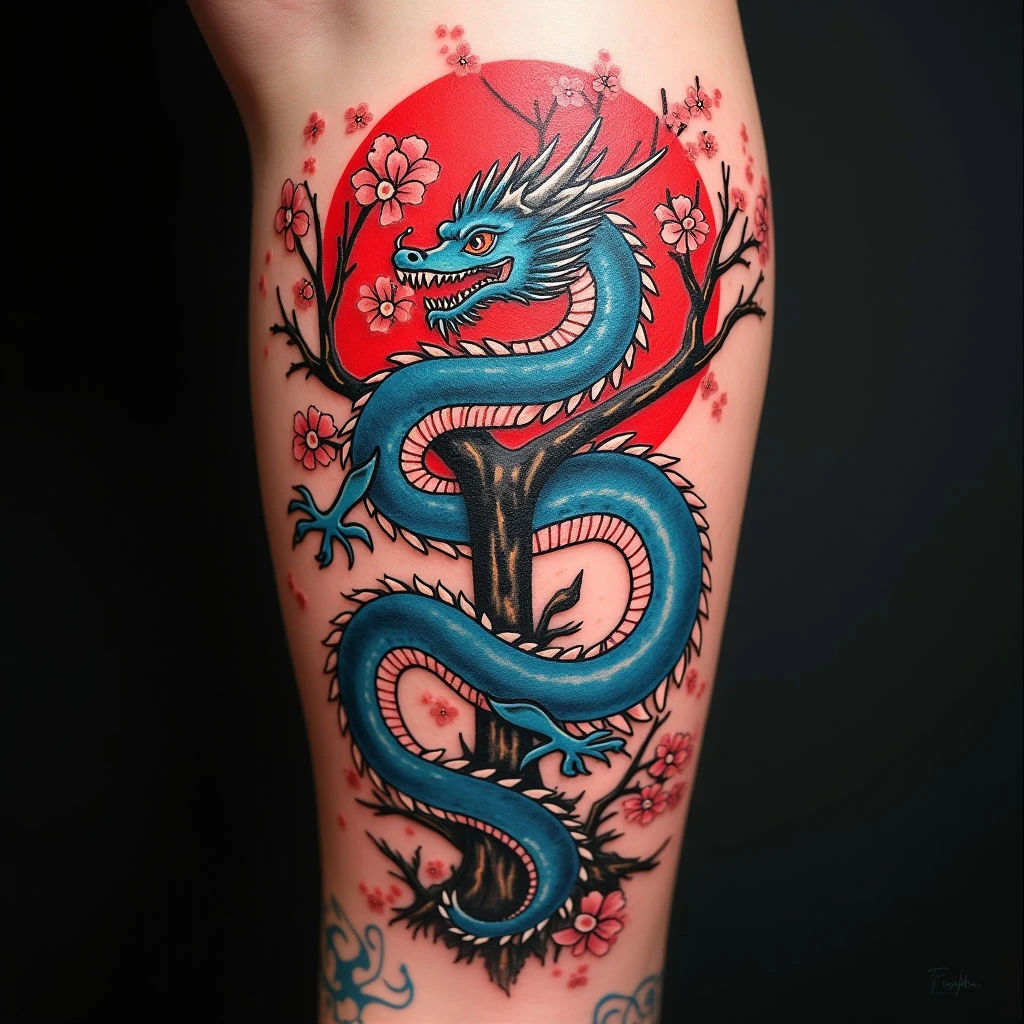
- Dragons: Symbolize strength, wisdom, and protection; they’re often seen as guardians.
- Phoenixes (Hō-ō): Represent rebirth and renewal—a beautiful image of constant change.
- Cherry Blossoms (Sakura): Evoke beauty, the fleeting nature of life, and a sense of transience. It’s a poignant reminder to appreciate the present moment.
- Tigers: Embody bravery, power, and overcoming obstacles—a symbol of resilience.
Traditional Styles & Techniques
Classic irezumi uses bold outlines and vibrant colors – think reds, blues, greens, purples, yellows, and black. A unique layering technique called bokashi creates subtle gradients and adds depth to the designs.
Modern artists sometimes incorporate Western influences while still honoring the core principles of this ancient art form.
Important Considerations
If you’re considering getting an irezumi, it's essential to find a reputable artist who specializes in this style. Understanding the cultural significance is also key—it shows respect for the tradition.
Because of their size and detail, Japanese tattoos are typically a significant investment of both time and money.