Japanese tattooing, known as irezumi, isn't just decoration—it’s a cultural art form steeped in history and symbolism. These intricate designs often tell stories, carry personal meaning, and connect the wearer to their heritage.
A Brief History
Historically, irezumi has been linked with the yakuza, but its origins run much deeper. Early tattooing served purposes like spiritual protection and marking criminals. Over time, it transformed into a complex art form, often blending Buddhist imagery and folklore.
Key Symbols & Their Meanings
Let's explore some prominent symbols—and what they represent. The placement of these designs is also significant, often reflecting the wearer’s personality or aspirations.
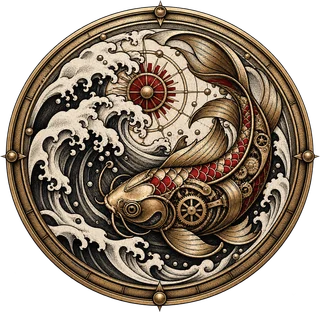
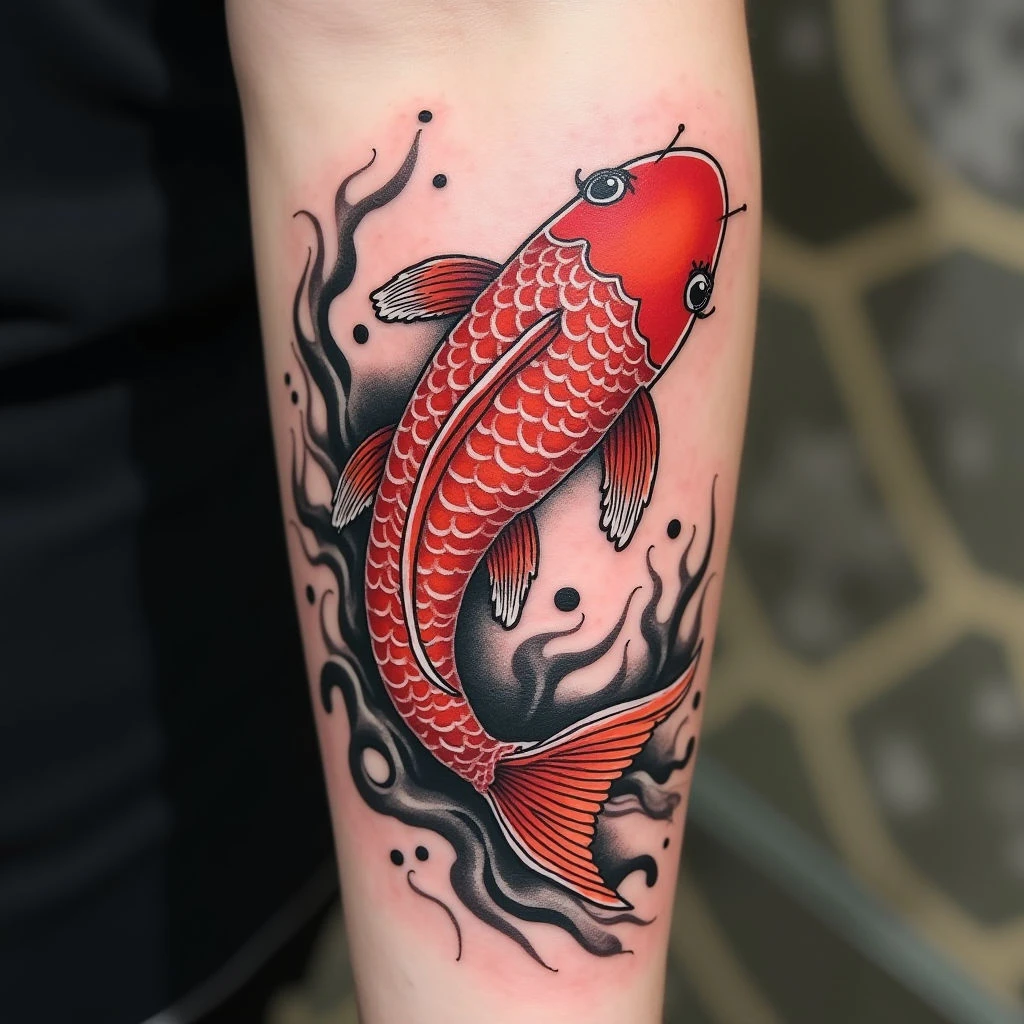
Koi Fish (Carp)
These symbolize perseverance and strength. Think about it: a koi's journey upstream embodies overcoming challenges in life—a powerful message. You’ll often see them paired with dragons, signifying power and wisdom.
Dragons (Ryū)
Representing wisdom, courage, and protection, dragons are deeply connected to nature, particularly water. They're truly awe-inspiring creatures.
Cherry Blossoms (Sakura)
The fleeting beauty of cherry blossoms speaks volumes about life’s fragility—and the hope that comes after hardship. It’s a beautiful reminder of renewal.
Phoenix (Hō-ō)
A symbol of rebirth and immortality, the phoenix embodies overcoming adversity and rising from the ashes.
Tigers (Tora)
Representing courage and strength, tigers are also believed to offer protection from evil spirits—a powerful guardian.
Peonies (Bota)
These symbolize wealth, honor, and beauty. They're often associated with spring and new beginnings – a fresh start.
Lotus Flowers (Hasu)
Representing purity, enlightenment, and spiritual awakening, lotus flowers are a beautiful symbol of inner peace.