
Japanese tattooing, known as Irezumi, is a deeply historical art form. Each design isn't just decorative; it carries meaning—beliefs, stories, and values passed down through generations. Appreciating these layers adds another dimension to the beauty of Japanese tattoo artistry.
Popular Symbols and Their Significance
Let's explore some common symbols—and what they represent. It’s fascinating to see how much meaning is packed into each image.
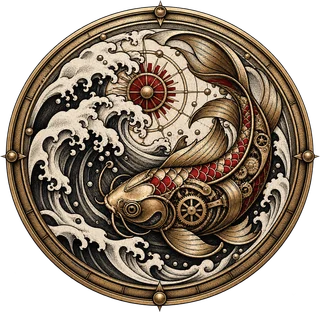
Koi Fish (Carp)
The koi, or carp, embodies perseverance and courage. Its journey upstream isn't just a visual; it symbolizes overcoming obstacles—a powerful message for anyone facing challenges.
Dragon (Ryū)
Dragons are potent symbols of strength, wisdom, and protection, often linked to good fortune. Historically, they’ve been associated with water and rain – vital elements for successful harvests.
Cherry Blossom (Sakura)
The delicate beauty of cherry blossoms speaks to the fleeting nature of life—a reminder that even the most beautiful things don't last forever. Their falling petals symbolize mortality and acceptance, a core concept in Japanese culture.
Phoenix (Hō-ō)
The phoenix represents rebirth, immortality, and rising above adversity—a powerful symbol of hope and transformation when facing difficult times.
Tiger (Tora)
A tiger embodies courage, strength, and protection. It's often seen as a guardian against evil spirits – a visual blessing for those who wear it.
Peony (Botan)
The peony symbolizes beauty, wealth, honor, and nobility. You’ll often see them depicted in full bloom—a clear representation of prosperity and good fortune.
A Look Back: Historical Context
Historically, traditional Japanese tattoos weren't always celebrated. They were sometimes associated with the working class and even criminals during certain periods. Thankfully, the art form has experienced a significant resurgence in popularity—now widely recognized for its intricate designs and rich cultural heritage.