Irezumi, or Japanese tattooing, isn’t just about the ink; it's a rich visual language. Centuries of history, folklore, and spiritual meaning are woven into each design. Every symbol holds layers—virtues, hopes, stories passed down through generations.
Common Symbols & Their Meanings
Let's look at some of the most recognizable motifs. These aren’t just pretty pictures; they carry significant weight.
Dragons (龍 – Ryū)
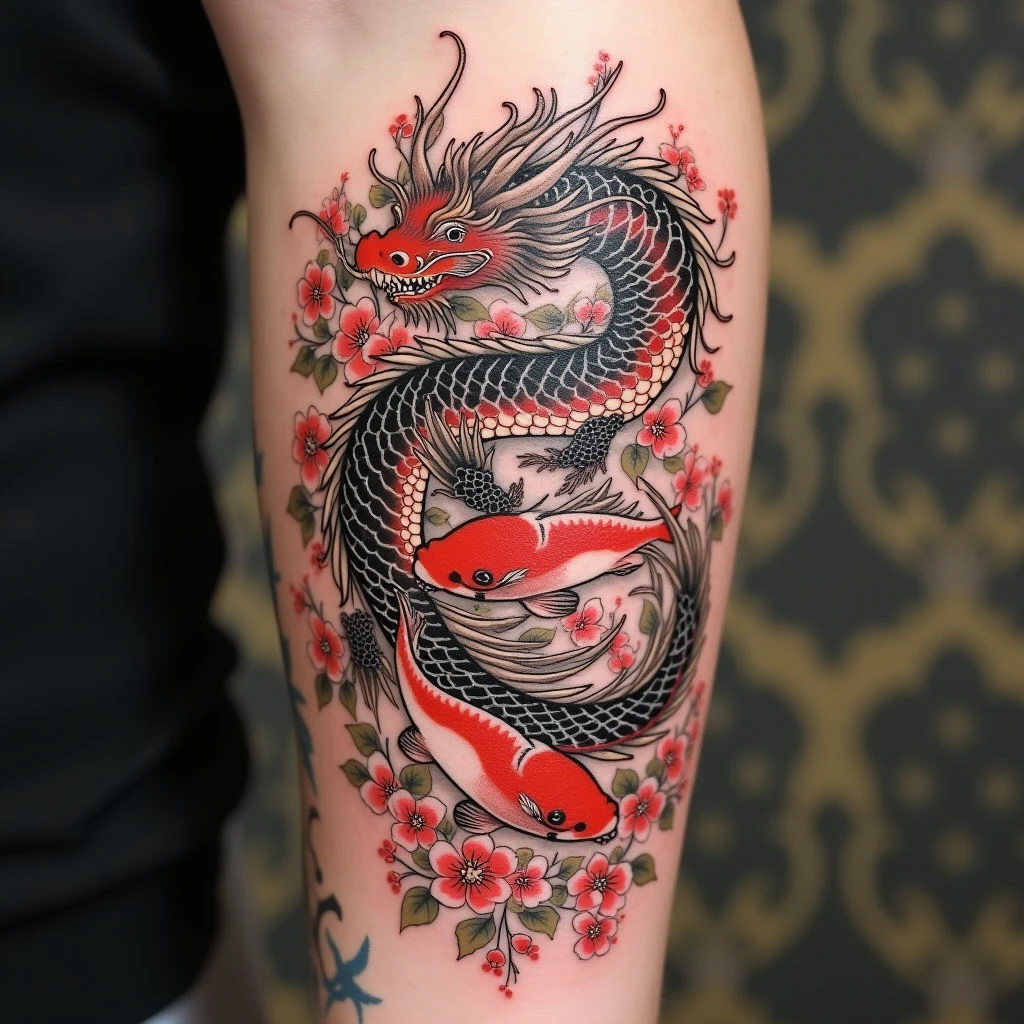
Perhaps the most iconic image, dragons represent wisdom, strength, courage—and good fortune. They’re often linked to rain and water, vital for rice cultivation.
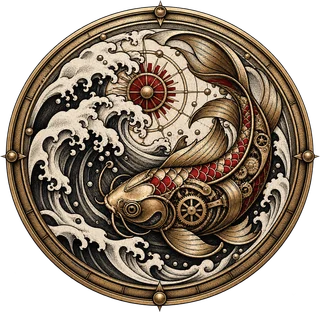
Koi Fish (鯉 – Koi)
These fish embody perseverance and transformation. The legend tells of koi swimming upstream against powerful currents—a truly remarkable feat! A pair often symbolizes marital happiness or the balance between yin and yang.
Cherry Blossoms (桜 – Sakura)
The fleeting beauty of cherry blossoms is a poignant reminder of life’s ephemeral nature. They represent renewal and hope—a call to appreciate each moment as it comes.
Wind Bars (巴 – Tomoe)
These swirling designs symbolize wind or energy. They’re often associated with strength, protection, and spiritual power—you'll frequently see them in traditional armor.
Beyond the Basics
Of course, there’s so much more to explore. Phoenixes represent rebirth, tigers embody courage, peonies symbolize wealth and prosperity, and cranes signify longevity—each with its own unique story.
A History of Tradition
Historically, irezumi was often associated with the working class. This led to periods of social stigma—a difficult chapter in its history. Thankfully, today we’re seeing a resurgence as people reconnect with their heritage and express themselves through this ancient art.
Respecting these traditions is vital for anyone considering irezumi. The true beauty lies not just in the aesthetics but in the stories—stories of resilience, transformation, and a deep connection to nature and our shared heritage.