Japanese tattooing, known as irezumi, is a deeply rooted art form. It’s steeped in history, symbolism, and incredible craftsmanship—a tradition that's evolved from its historical ties to the Yakuza into a globally recognized style of body art.
Exploring Styles and Motifs
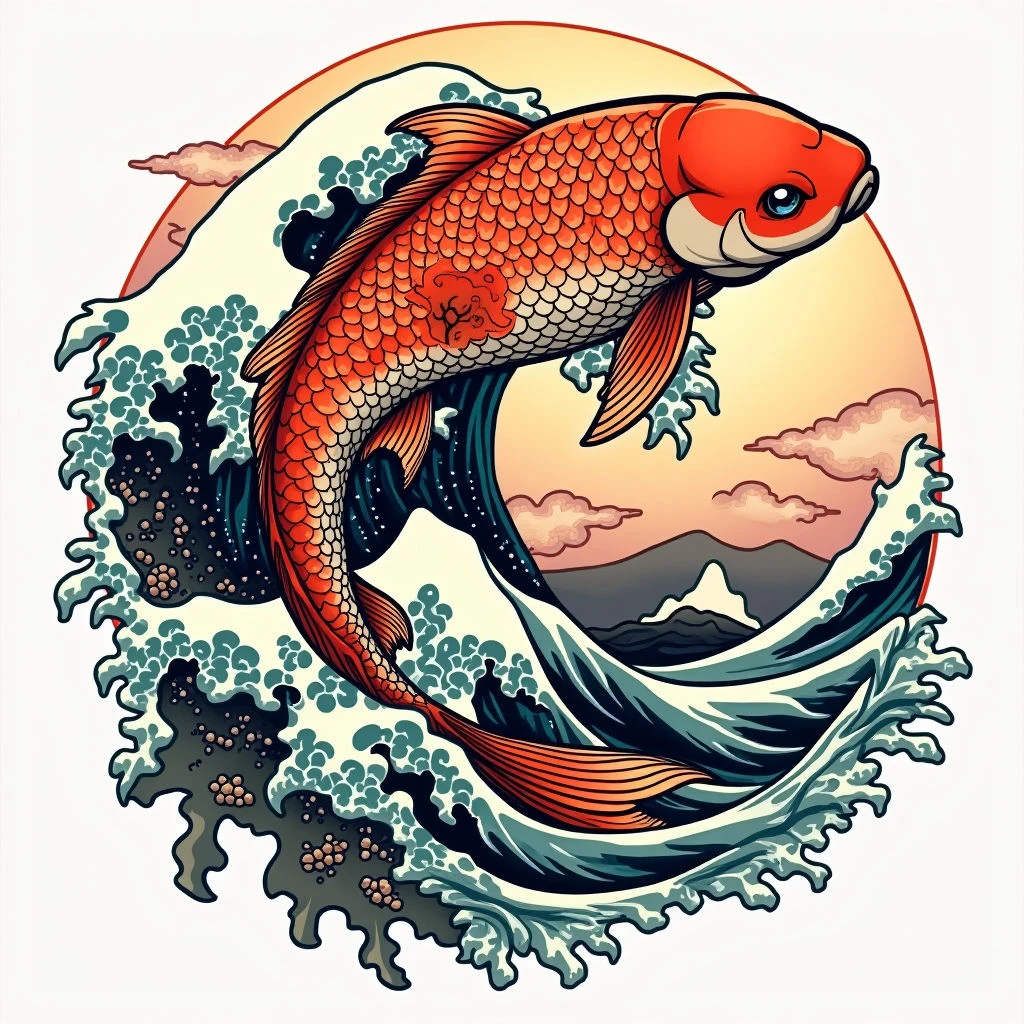
Japanese tattoos are instantly recognizable thanks to their bold outlines, vibrant colors, and dynamic compositions. Let's look at some of the most common motifs:
-
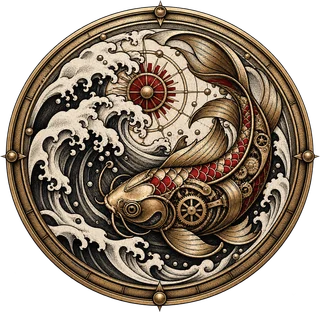
Koi Fish (Carp)
These represent perseverance, strength, and ambition—think of a carp swimming upstream against the current. -
Dragons
Dragons symbolize power, wisdom, and good fortune. You’ll often see them depicted guarding treasures or ascending to the heavens. -
Phoenix (Hō-ō)
The phoenix embodies rebirth, renewal, and immortality—a truly powerful symbol of transformation. -
Cherry Blossoms (Sakura)
These beautiful blossoms represent beauty, fragility, and the fleeting nature of life. The image of falling petals is a poignant reminder of mortality. -
Tigers
Tigers symbolize courage, strength, and protection from evil spirits. -
Kitsune (Foxes)
Associated with intelligence and trickery, foxes are sometimes depicted as messengers of Inari, the Shinto god of rice.
Tradition Meets Modernity
Historically, Japanese tattoos were created using hand-carved wooden blocks and natural pigments. Today, while modern tattooing techniques are used, the goal remains to preserve those traditional aesthetics. Becoming a hori (tattoo artist) is a demanding journey—it often takes years of apprenticeship to master the craft.
The Deeper Meaning
Understanding the symbolism behind Japanese tattoos goes beyond just appreciating their visual appeal. Each image carries a complex meaning, so it's worth giving careful thought to what you choose before getting an irezumi.