
Japanese tattoos, known as irezumi, have a fascinating history—a deep dive into tradition and symbolism. These aren't just decorations; they’re intricate designs carrying profound meanings tied to Japanese culture and folklore. Each image tells a story, from ancient warriors to mythical creatures.
A History Marked by Tradition
Historically, irezumi has been linked with the yakuza—Japan’s organized crime syndicates. These tattoos served as visible signs of loyalty and resilience, a way to defy societal expectations. This connection unfortunately brought about a period of stigma, but thankfully, appreciation for the artistry is returning.
Common Motifs: Stories Etched in Ink
Let’s look at some of the most recognizable motifs and what they represent:
-
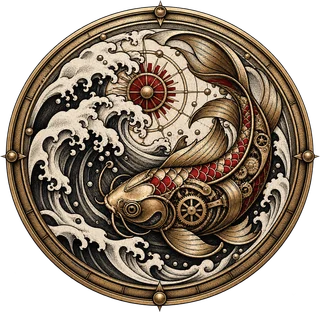
Koi Fish (Carp)
These symbolize perseverance, courage, and determination. Seeing a koi swimming against the current? That represents overcoming obstacles—a powerful message. -
Dragons
Dragons embody strength, wisdom, and good fortune. They’re often seen as protectors, radiating power. -
Cherry Blossoms (Sakura)
The fleeting beauty of cherry blossoms signifies the ephemeral nature of life, renewal, and a poignant kind of grace. -
Phoenix (Hō-ō)
The phoenix is a potent symbol of rebirth, immortality, and the ability to transform. -
Geishas
Representing elegance, artistry, and refined beauty—a celebration of Japanese grace. -
Tigers
These powerful creatures embody courage, strength, and protection against evil spirits. -
Mandala
A mandala is a spiritual symbol representing the universe and our interconnectedness—a visual meditation on existence.
More Than Just Appearance: Cultural Significance
Ultimately, irezumi is an art form that honors Japanese heritage. It’s not simply about the look of a tattoo; it's about connecting with centuries of tradition and understanding the deep symbolism woven into each design.