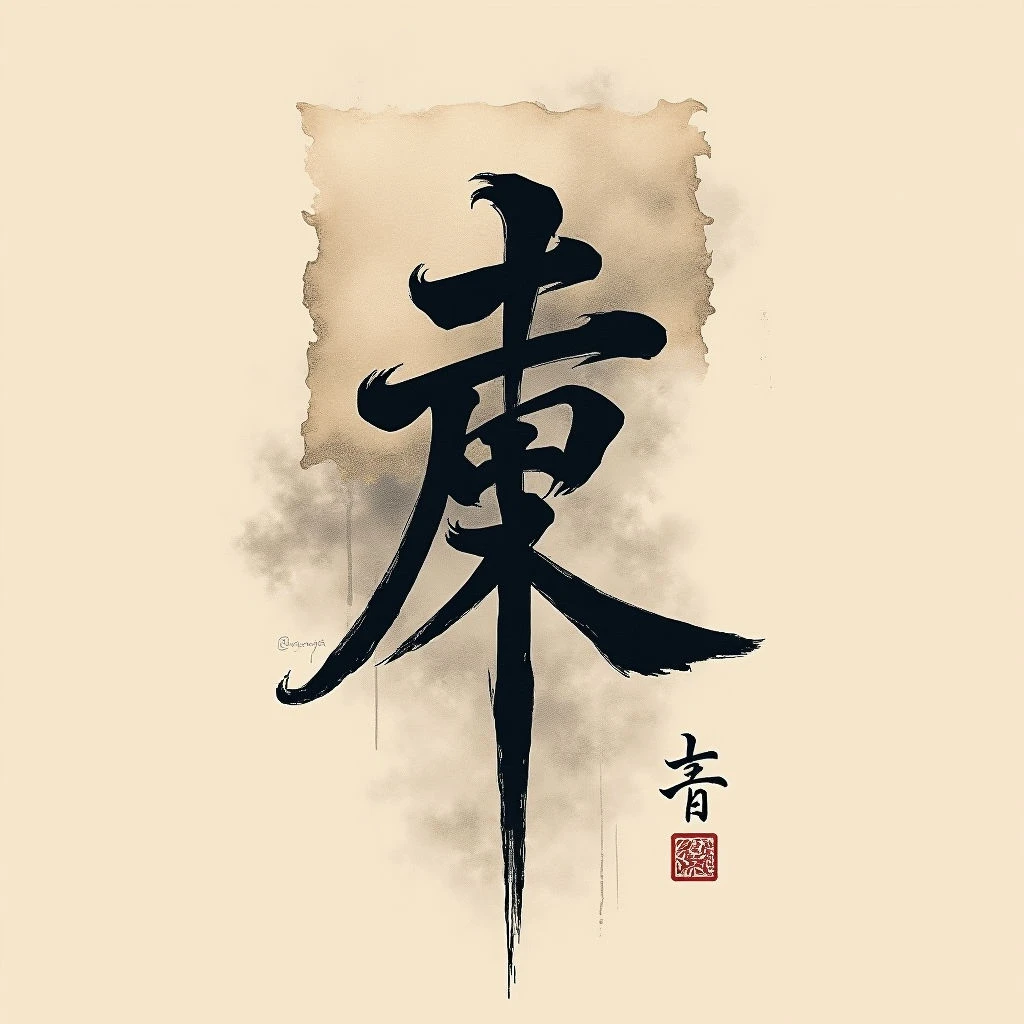
Kanji tattoos—they’re more than just ink; they're a captivating blend of art and deep meaning. Unlike simpler character designs, kanji represent entire concepts – virtues, natural elements, even philosophical ideas. This makes them powerful choices for body art.
A Brief History
Kanji themselves originated from Chinese characters adapted by Japan centuries ago. Initially, they were used primarily by Buddhist monks and the nobility. Over time, kanji writing gradually became integrated into Japanese culture. The history of tattooing with Kanji is long and complex; at times it was associated with criminals, other times with spiritual protection.
Decoding the Symbolism
Choosing a kanji character demands careful research and a real understanding of its meaning. Popular choices include 'strength' (力 – chikara), 'peace' (平和 – heiwa), 'courage' (勇気 – yuuki), and ‘love’ (愛 - ai). But it's absolutely crucial to verify the precise meaning, because even slight nuances can change everything. A misinterpretation could have unintended consequences.
Design & Placement Considerations
Kanji tattoos really shine with minimalist or traditional Japanese aesthetics. Where you place the tattoo matters a lot – think about how the character flows and complements your body’s shape. Larger kanji often look striking on the back, shoulder, or arm; smaller ones work well on wrists or ankles.
Cultural Sensitivity is Key
It’s vital to approach Kanji tattoos with respect and cultural sensitivity. Do your homework – understand the significance of any character you choose, and avoid using them inappropriately. I always recommend consulting a tattoo artist who's experienced in Japanese calligraphy; they can offer invaluable guidance.