Korean tattooing has a rich and fascinating history, deeply connected to shamanistic beliefs, the traditions of nobility, and periods of societal restriction. For a long time, it was largely concealed due to historical bans, but now we're seeing a real revival—a beautiful blend of ancient symbolism with contemporary artistic expression.
Traditional Motifs and Their Significance
Let’s explore some key traditional motifs and what they represent. These aren't just pretty pictures; each carries layers of cultural meaning.
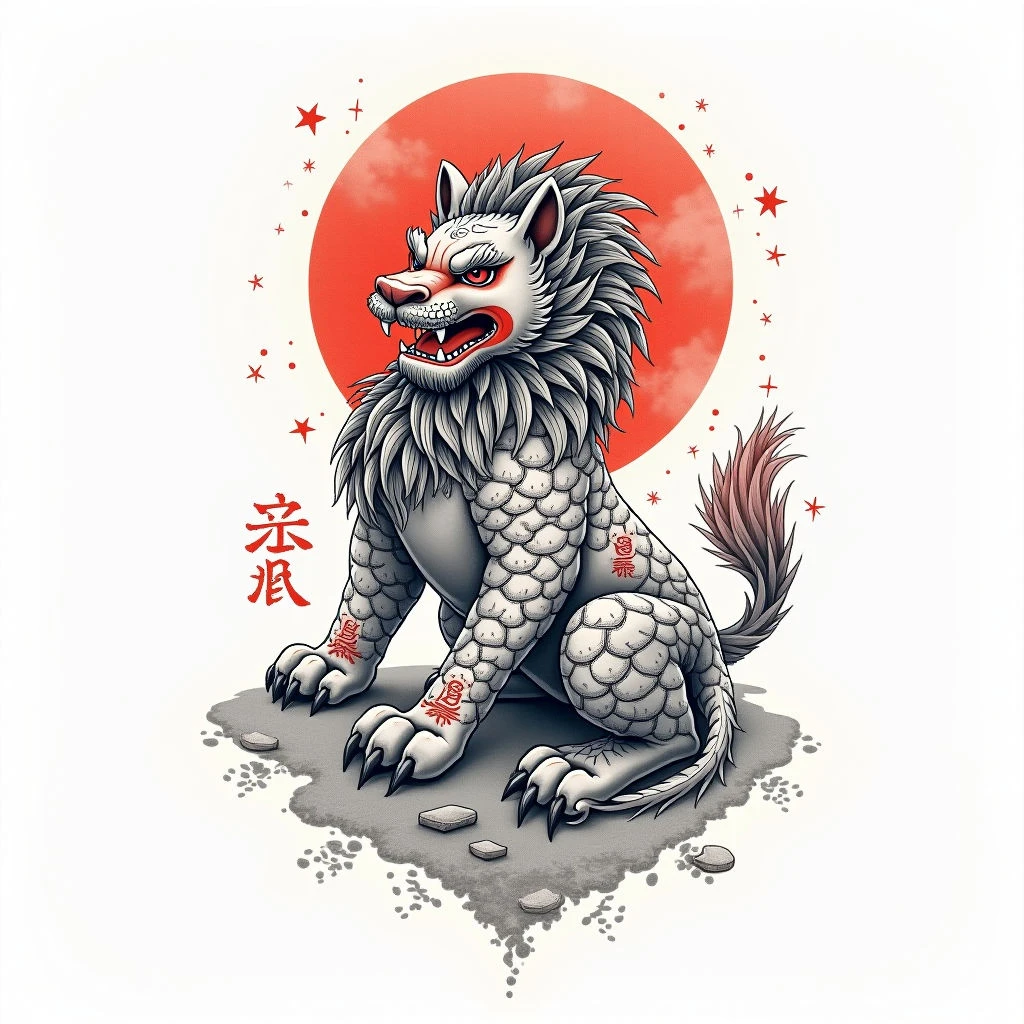
Bok Lion (복 lion)
The Bok Lion is a truly captivating mythical creature. It combines the fierce strength of a tiger with the profound wisdom of a dragon—a powerful combination! This symbol brings good luck, offers protection from negative spirits, and represents prosperity.
Seungjae (승자예)
Seungjae is a collection of ten distinct symbols. They represent an impressive range: longevity, wealth, honor, loyalty, humility, balance, patience, communication, knowledge, and health. People often group them together—it’s seen as a holistic approach to well-being.
Taeguk (태극)
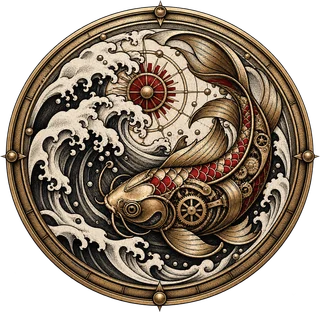
You'll recognize the Taeguk from the Korean flag—it’s their yin and yang symbol. It beautifully signifies harmony, duality, and cosmic balance.
Traditional Korean Patterns
Beyond these specific figures, traditional Korean patterns are also incredibly meaningful. They’re often geometric designs that reference nature, a family's lineage, or even deep philosophical concepts.
Modern Interpretations and Design Trends
Today’s Korean tattoo artists are doing something really special: they're breathing new life into these ancient traditions. They’re incorporating contemporary design elements—think sleek linework, the softness of watercolor techniques, and a fascinating fusion of Eastern and Western aesthetics.