
Home > Categories > design inspiration styles > Lost Child Tattoo Ideas: A Haunting Exploration of Grief & Memory

Explore haunting lost child tattoo designs. Discover gothic imagery, symbolism for grief, remembrance and a touch of macabre beauty.


The process of designing such a tattoo is deeply personal and often involves extensive consultation with the artist. The client shares memories, photographs, and stories about the child, allowing the artist to create a truly unique and meaningful piece. Some families opt for memorializing specific details—a favorite toy, a cherished photograph, or a significant date. Others prefer abstract representations that capture the essence of their loved one’s spirit. Placement is also crucial; it's often chosen for its personal significance—the wrist, ankle, or shoulder blade are common choices. The size and complexity of the tattoo depend on the client’s preferences and pain tolerance. Regardless of the design, a lost child tattoo serves as a constant reminder of love, loss, and the enduring power of memory.
The cultural significance of memorial tattoos extends far beyond personal grief. Throughout history, various cultures have used body art to commemorate loved ones who have passed away. Ancient Egyptians adorned tombs with intricate paintings depicting deceased family members, while Celtic tribes practiced tattooing as a form of remembrance. In modern times, memorial tattoos have become increasingly popular, offering a tangible way to keep the memory of lost loved ones alive. They serve not only as personal reminders but also as symbols of solidarity and support within communities facing loss.
The emotional toll of creating and wearing a memorial tattoo can be significant. It’s a process that requires confronting grief head-on, which can be emotionally challenging. Many clients find solace in the act of transforming their pain into something beautiful and enduring. The tattoo becomes a symbol of hope—a reminder that love transcends loss and that memories will forever remain.

Lost Child Tattoos: Memorializing Grief and Remembrance

The Visual Elegies of Loss

The echo of a missing child reverberates through the soul, leaving an indelible mark—a wound that artists often translate into hauntingly beautiful tattoo designs. These aren’t mere pictures; they are visual elegies, imbued with grief, memory, and a touch of macabre beauty. The imagery employed speaks volumes about the profound sense of loss.

Common Motifs

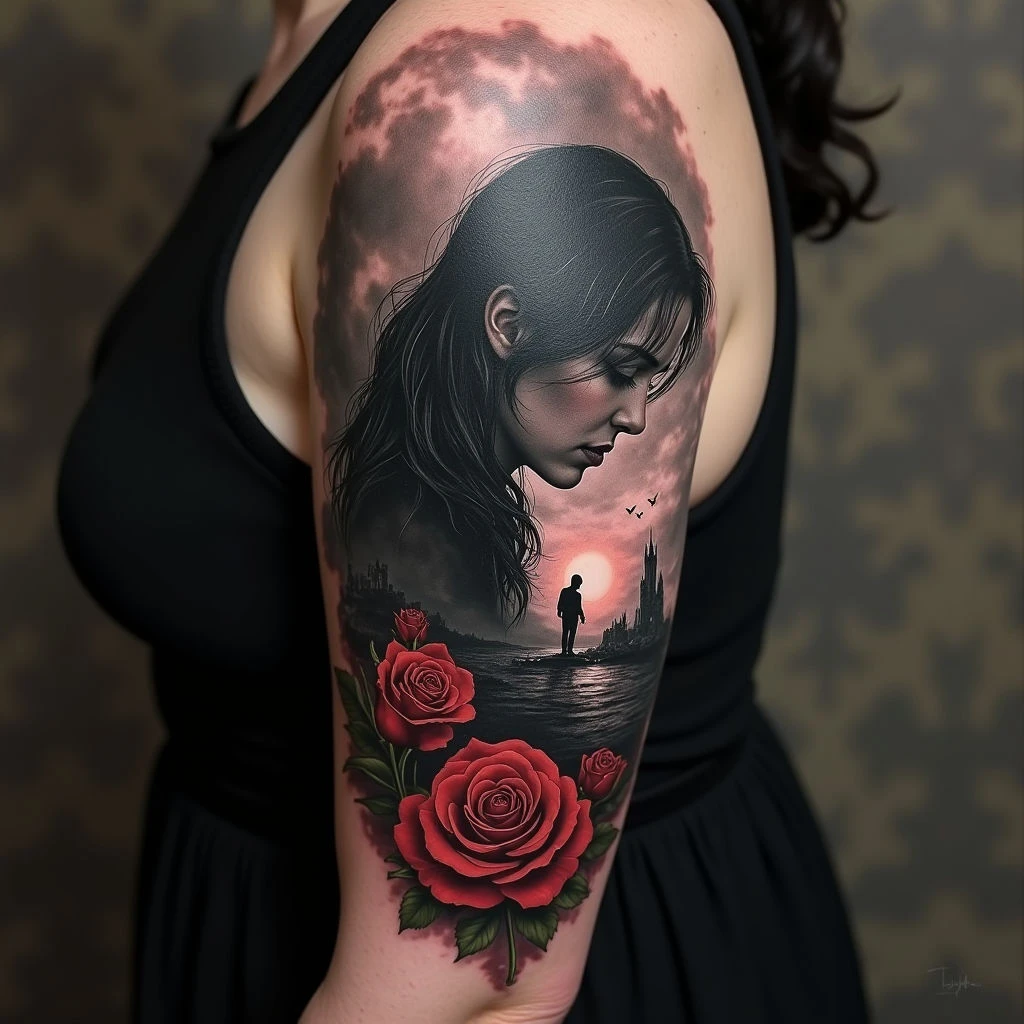
Common motifs include spectral figures shrouded in mist, representing the child's absence and ethereal nature. Portraits of grieving parents, rendered in stark black and grey or softened watercolor techniques, convey raw emotion and enduring sorrow. Wilting roses—symbols of lost innocence and fleeting beauty—are often intertwined with these portraits.

Surreal Landscapes and Gothic Elements

Beyond conventional representations, many artists delve into unsettling surreal landscapes to capture the disorienting effect of loss. Twisted trees, distorted perspectives, and fragmented imagery evoke a sense of unease and disorientation, mirroring the psychological turmoil experienced by those left behind. Gothic elements—such as crumbling architecture and desolate moonlit scenes—add an additional layer of darkness and melancholy.

Style and Tone

The choice of style is paramount in conveying the desired tone. Realism can capture the raw emotionality with unsettling accuracy, while neo-traditional styles allow for a blend of detail and symbolic representation. Blackwork’s stark simplicity amplifies the sense of emptiness and despair, while watercolor techniques offer a softer, more dreamlike quality. A lost child tattoo isn’t simply a memorial; it's an acknowledgement of enduring pain—a testament to love that transcends loss.

The Design Process and Personalization

The process of designing such a tattoo is deeply personal and often involves extensive consultation with the artist. The client shares memories, photographs, and stories about the child, allowing the artist to create a truly unique and meaningful piece. Some families opt for memorializing specific details—a favorite toy, a cherished photograph, or a significant date. Others prefer abstract representations that capture the essence of their loved one’s spirit. Placement is also crucial; it's often chosen for its personal significance—the wrist, ankle, or shoulder blade are common choices. The size and complexity of the tattoo depend on the client’s preferences and pain tolerance.

Cultural Significance and Community

The cultural significance of memorial tattoos extends far beyond personal grief. Throughout history, various cultures have used body art to commemorate loved ones who have passed away. Ancient Egyptians adorned tombs with intricate paintings depicting deceased family members, while Celtic tribes practiced tattooing as a form of remembrance. In modern times, memorial tattoos have become increasingly popular, offering a tangible way to keep the memory of lost loved ones alive. They serve not only as personal reminders but also as symbols of solidarity and support within communities facing loss.

Emotional Healing and Remembrance

The emotional toll of creating and wearing a memorial tattoo can be significant. It’s a process that requires confronting grief head-on, which can be emotionally challenging. Many clients find solace in the act of transforming their pain into something beautiful and enduring. The tattoo becomes a symbol of hope—a reminder that love transcends loss and that memories will forever remain.

Lost Child Tattoo Ideas: A Haunting Exploration of Grief & Memory

Home > Categories > design inspiration styles > Lost Child Tattoo Ideas: A Haunting Exploration of Grief & Memory

Explore haunting lost child tattoo designs. Discover gothic imagery, symbolism for grief, remembrance and a touch of macabre beauty.


The process of designing such a tattoo is deeply personal and often involves extensive consultation with the artist. The client shares memories, photographs, and stories about the child, allowing the artist to create a truly unique and meaningful piece. Some families opt for memorializing specific details—a favorite toy, a cherished photograph, or a significant date. Others prefer abstract representations that capture the essence of their loved one’s spirit. Placement is also crucial; it's often chosen for its personal significance—the wrist, ankle, or shoulder blade are common choices. The size and complexity of the tattoo depend on the client’s preferences and pain tolerance. Regardless of the design, a lost child tattoo serves as a constant reminder of love, loss, and the enduring power of memory.
The cultural significance of memorial tattoos extends far beyond personal grief. Throughout history, various cultures have used body art to commemorate loved ones who have passed away. Ancient Egyptians adorned tombs with intricate paintings depicting deceased family members, while Celtic tribes practiced tattooing as a form of remembrance. In modern times, memorial tattoos have become increasingly popular, offering a tangible way to keep the memory of lost loved ones alive. They serve not only as personal reminders but also as symbols of solidarity and support within communities facing loss.
The emotional toll of creating and wearing a memorial tattoo can be significant. It’s a process that requires confronting grief head-on, which can be emotionally challenging. Many clients find solace in the act of transforming their pain into something beautiful and enduring. The tattoo becomes a symbol of hope—a reminder that love transcends loss and that memories will forever remain.

Lost Child Tattoos: Memorializing Grief and Remembrance

The Visual Elegies of Loss

The echo of a missing child reverberates through the soul, leaving an indelible mark—a wound that artists often translate into hauntingly beautiful tattoo designs. These aren’t mere pictures; they are visual elegies, imbued with grief, memory, and a touch of macabre beauty. The imagery employed speaks volumes about the profound sense of loss.

Common Motifs

Common motifs include spectral figures shrouded in mist, representing the child's absence and ethereal nature. Portraits of grieving parents, rendered in stark black and grey or softened watercolor techniques, convey raw emotion and enduring sorrow. Wilting roses—symbols of lost innocence and fleeting beauty—are often intertwined with these portraits.

Surreal Landscapes and Gothic Elements

Beyond conventional representations, many artists delve into unsettling surreal landscapes to capture the disorienting effect of loss. Twisted trees, distorted perspectives, and fragmented imagery evoke a sense of unease and disorientation, mirroring the psychological turmoil experienced by those left behind. Gothic elements—such as crumbling architecture and desolate moonlit scenes—add an additional layer of darkness and melancholy.

Style and Tone

The choice of style is paramount in conveying the desired tone. Realism can capture the raw emotionality with unsettling accuracy, while neo-traditional styles allow for a blend of detail and symbolic representation. Blackwork’s stark simplicity amplifies the sense of emptiness and despair, while watercolor techniques offer a softer, more dreamlike quality. A lost child tattoo isn’t simply a memorial; it's an acknowledgement of enduring pain—a testament to love that transcends loss.

The Design Process and Personalization

The process of designing such a tattoo is deeply personal and often involves extensive consultation with the artist. The client shares memories, photographs, and stories about the child, allowing the artist to create a truly unique and meaningful piece. Some families opt for memorializing specific details—a favorite toy, a cherished photograph, or a significant date. Others prefer abstract representations that capture the essence of their loved one’s spirit. Placement is also crucial; it's often chosen for its personal significance—the wrist, ankle, or shoulder blade are common choices. The size and complexity of the tattoo depend on the client’s preferences and pain tolerance.

Cultural Significance and Community

The cultural significance of memorial tattoos extends far beyond personal grief. Throughout history, various cultures have used body art to commemorate loved ones who have passed away. Ancient Egyptians adorned tombs with intricate paintings depicting deceased family members, while Celtic tribes practiced tattooing as a form of remembrance. In modern times, memorial tattoos have become increasingly popular, offering a tangible way to keep the memory of lost loved ones alive. They serve not only as personal reminders but also as symbols of solidarity and support within communities facing loss.

Emotional Healing and Remembrance

The emotional toll of creating and wearing a memorial tattoo can be significant. It’s a process that requires confronting grief head-on, which can be emotionally challenging. Many clients find solace in the act of transforming their pain into something beautiful and enduring. The tattoo becomes a symbol of hope—a reminder that love transcends loss and that memories will forever remain.