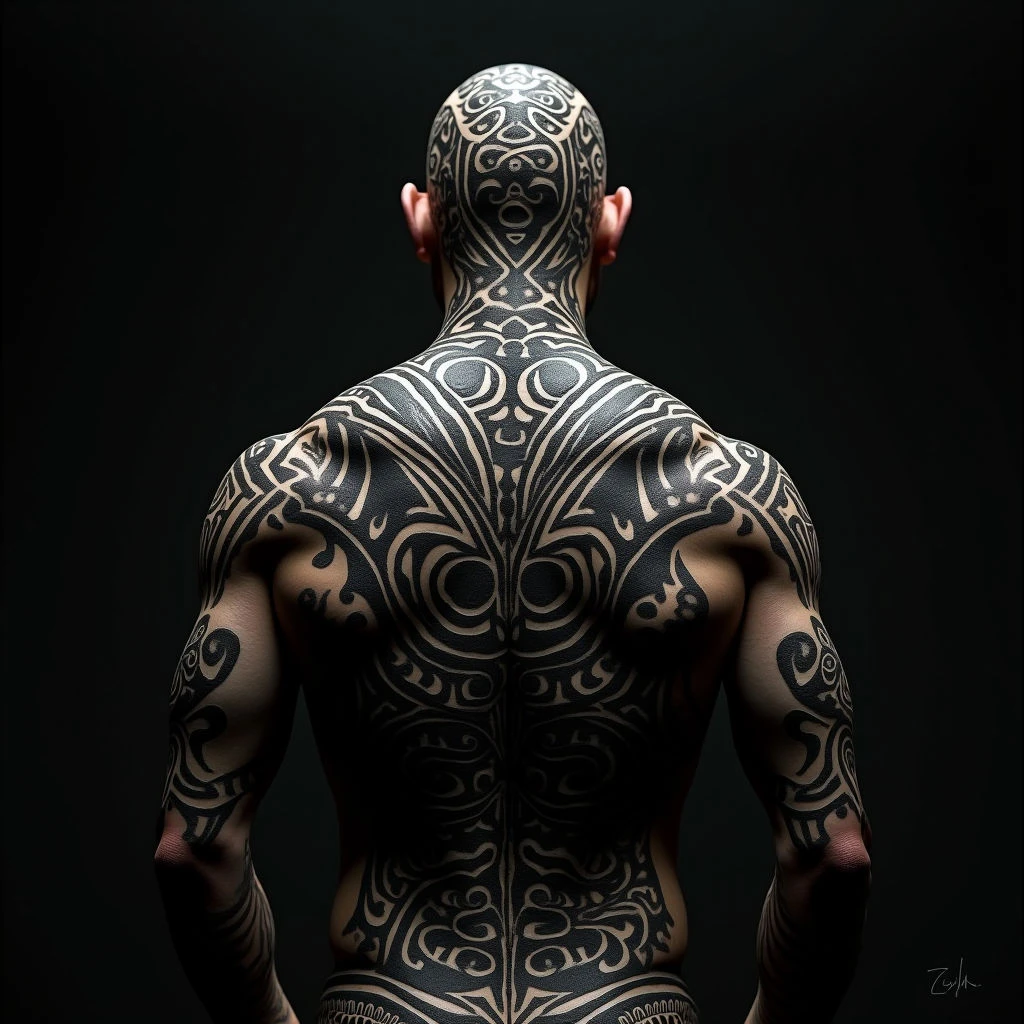
Māori tā moko is so much more than just ink; it’s a powerful expression of identity, genealogy, and cultural heritage. These intricate designs aren't simply decorative—they tell deeply personal stories and connect individuals to their whakapapa (genealogy) and the natural world.
Traditional Practices & Significance
Historically, Māori tā moko involved chiseling grooves into the skin—a far cry from modern tattooing with needles. This process was performed by skilled practitioners known as tohunga-a-tatau.
Decoding the Symbols
Each spiral, curve, and symbol within tā moko carries profound meaning. Let's look at some key examples:
Korowai (Cloak)
The korowai represents prestige, protection, and status—often signifying leadership or a high position within the community.
Moko Kauae (Chin Moko)
Traditionally worn by women, moko kauae depict ancestry, tribal affiliation, and personal narratives etched onto the chin.
Spiral Patterns
These symbolize growth, evolution, and the interconnectedness of all things—a visual representation of life’s journey.
Waves/Water
Representing life force, a connection to the ocean, and ancestral journeys, waves are a vital element in many tā moko designs.
Mountains
Signifying strength, resilience, and a deep bond with the land, mountains often feature prominently.
Respecting Cultural Protocols
Approaching Māori tā moko requires genuine respect. These designs are sacred and hold immense cultural significance for Māori people. Authenticity is paramount—make sure any design you consider reflects traditional techniques and symbolism.