Tattoos aren’t just ink; they're visual stories, rich with cultural heritage and personal meaning. Throughout history, cultures have embraced tattooing for everything from marking social standing to offering spiritual protection. Let’s explore the fascinating world of tattoo symbolism—its historical roots and how we interpret it today.
Historical & Cultural Meanings
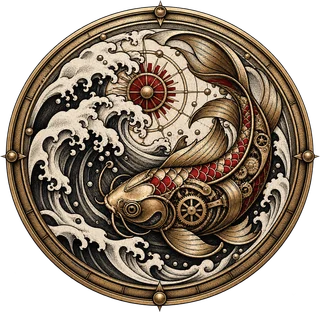
Across civilizations, tattoos have carried deep significance. In ancient Egypt, they denoted rank and religious beliefs. Polynesian cultures used them extensively for storytelling, tracing family histories, and marking important life transitions. Japanese Irezumi traditions often featured mythical creatures or scenes from folklore—symbols of courage, loyalty, and resilience.
Common Tattoo Symbols & Their Meanings
Certain symbols have become almost universally recognized. Here's a look at some popular choices:
- Anchor: Represents stability, hope, and a connection to those we cherish.
- Rose: Symbolizes love, beauty, and passion—with different colors conveying varying emotions (red for romantic love, yellow for friendship).
- Dragon: In Eastern cultures, embodies power, wisdom, and good fortune.
- Lotus: Represents purity, enlightenment, and rebirth—a common motif in Buddhist traditions.
- Infinity Symbol: Signifies endlessness, eternity, and boundless possibilities.
Personal & Emotional Significance
Beyond their cultural meanings, tattoos are deeply personal expressions. They can commemorate loved ones, mark significant life events, or simply reflect your values and beliefs. Maybe it's a milestone you’ve reached, a way to express grief, celebrate freedom—or just a reminder to love yourself.
The beauty of tattooing lies in its adaptability: the ability to blend tradition with personal meaning, creating unique works of art that tell powerful stories.