Tattoos aren’t just ink; they're powerful symbols, steeped in cultural history and personal meaning. Throughout time and across cultures, body modification has served as a way to tell stories, connect with the spiritual world, signal social standing, and express oneself.
Cultural and Historical Roots
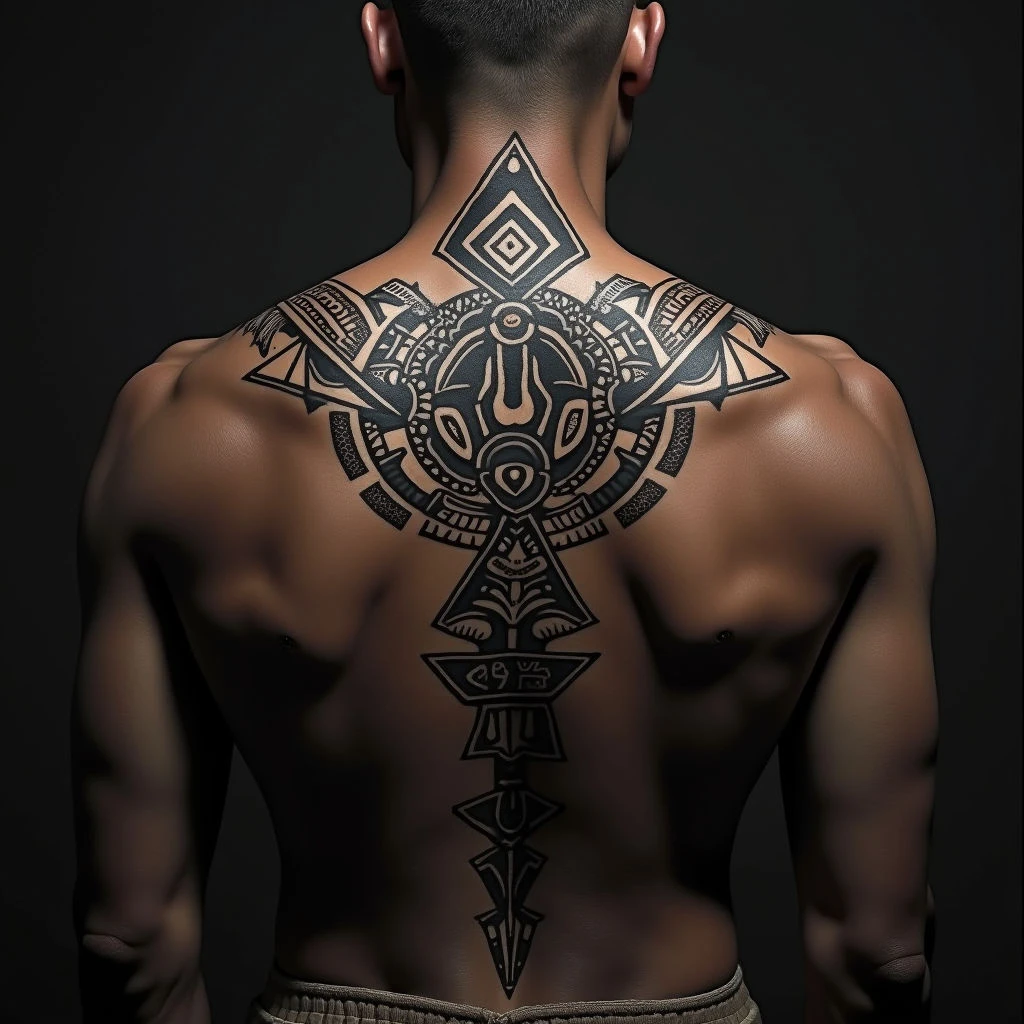
In many African cultures, what we often call tattoos are more accurately scarification – a practice deeply intertwined with spirituality and tradition. These patterns aren't just decoration; they represent family lineage, personal achievements, rites of passage, and even protection from harm. For instance, intricate geometric designs in some tribes symbolize ancestral connections and an individual’s role within the community.
Ancient Egyptians used tattoos for religious purposes as well, while Polynesian cultures developed complex systems to denote rank, family history, and personal narratives through tattooing. It's a fascinating evolution of human expression.
Personal Meaning: A Visual Narrative
Today, tattoos often carry deeply personal stories. They might commemorate loved ones lost, mark milestones—like overcoming a challenge or reaching a goal—or simply reflect individual style and beliefs. Think about it: a phoenix tattoo can represent rebirth and strength; a lotus flower, enlightenment and purity.
Ultimately, the meaning of a tattoo is entirely subjective. It’s really a collaboration between the person wearing it and the artist, resulting in a visual representation of something truly profound.