Exploring Korean artistry reveals a rich tapestry of imagery—deeply rooted in history, philosophy, and symbolism. Korea’s connection to body art differs from some cultures; it's interwoven with shamanistic rituals, royal customs, and changing social norms.
A Brief History of Korean Tattooing
Historically, tattooing in Korea sometimes served to mark individuals—criminals or slaves. But today’s artists are rediscovering and celebrating ancestral motifs with renewed appreciation.
Common Korean Tattoo Symbols & Their Meanings
Let's look at some popular symbols. Each carries a specific weight and significance, often drawing from folklore and spiritual beliefs.
Hanbok (Korean Traditional Dress)
The hanbok represents beauty, grace, tradition, and the enduring spirit of Korea. The patterns within can also symbolize family connections or personal goals—a truly meaningful choice.
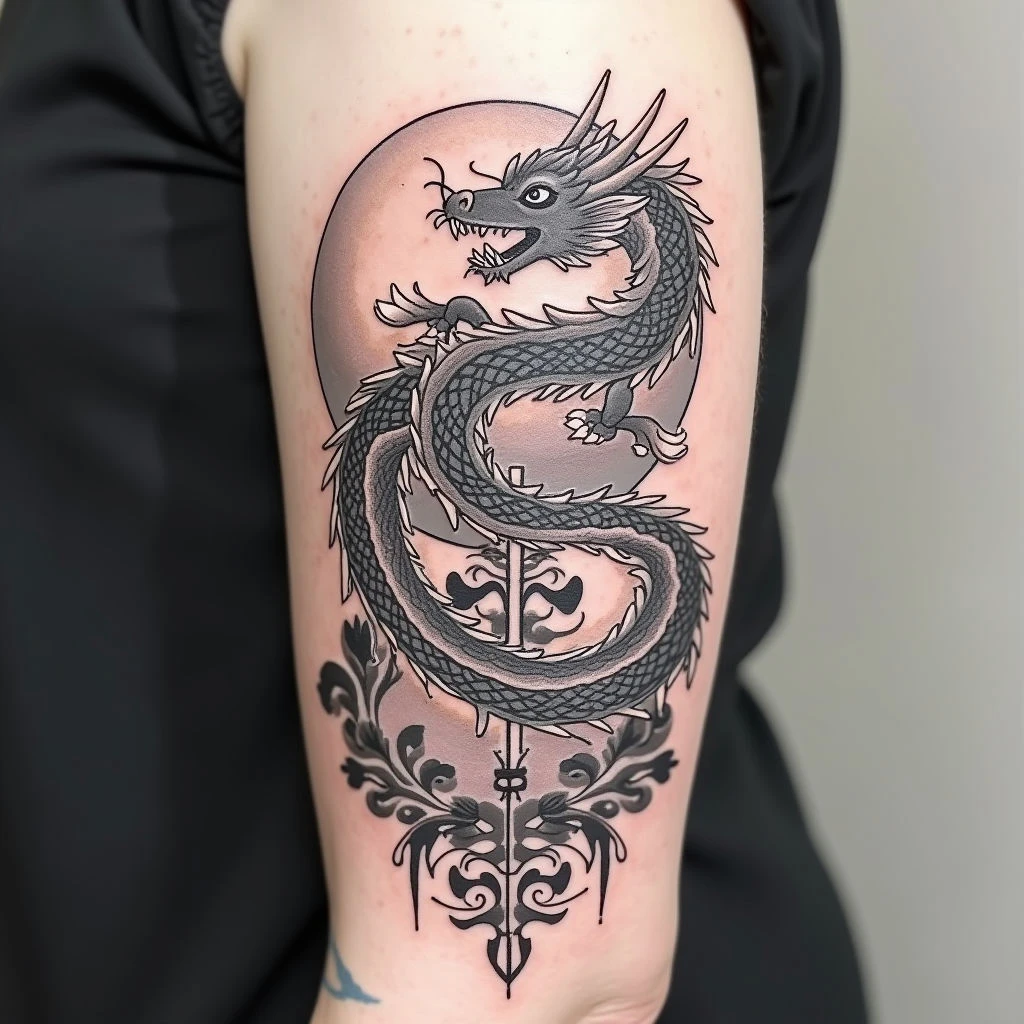
Korean Dragons (Yong)
Unlike their Western counterparts, Korean dragons embody benevolence and wisdom. They control water and weather, acting as guardians of harmony and bringing good fortune.
Taeguk Symbol
You'll recognize this from the Korean flag! The taeguk represents balance—the interplay of yin and yang—and embodies cosmic harmony, discipline, and national identity.
Korean Tigers (Horangi)
Tigers symbolize courage, strength, and protection from evil spirits. They’re revered as guardians in Korean folklore, often paired with dragons to create a powerful image.
Lotus Flowers
Lotus flowers represent purity, enlightenment, rebirth—reflecting the influence of Buddhism on Korea's spiritual landscape. A beautiful symbol of overcoming challenges.
Design Considerations: Style and Interpretation
The style you choose can dramatically alter the tattoo’s overall meaning. For example, a traditional Minhwa painting style would give it a charming folk art feel. A bolder, more modern design might emphasize strength and contemporary sensibilities.