Tattoos aren't just about the design; they’re a form of self-expression, storytelling, and connection—a way to carry history, beliefs, and emotions on your skin. Really understanding what those symbols mean elevates the art itself, turning ink into something truly powerful.
Cultural & Historical Roots
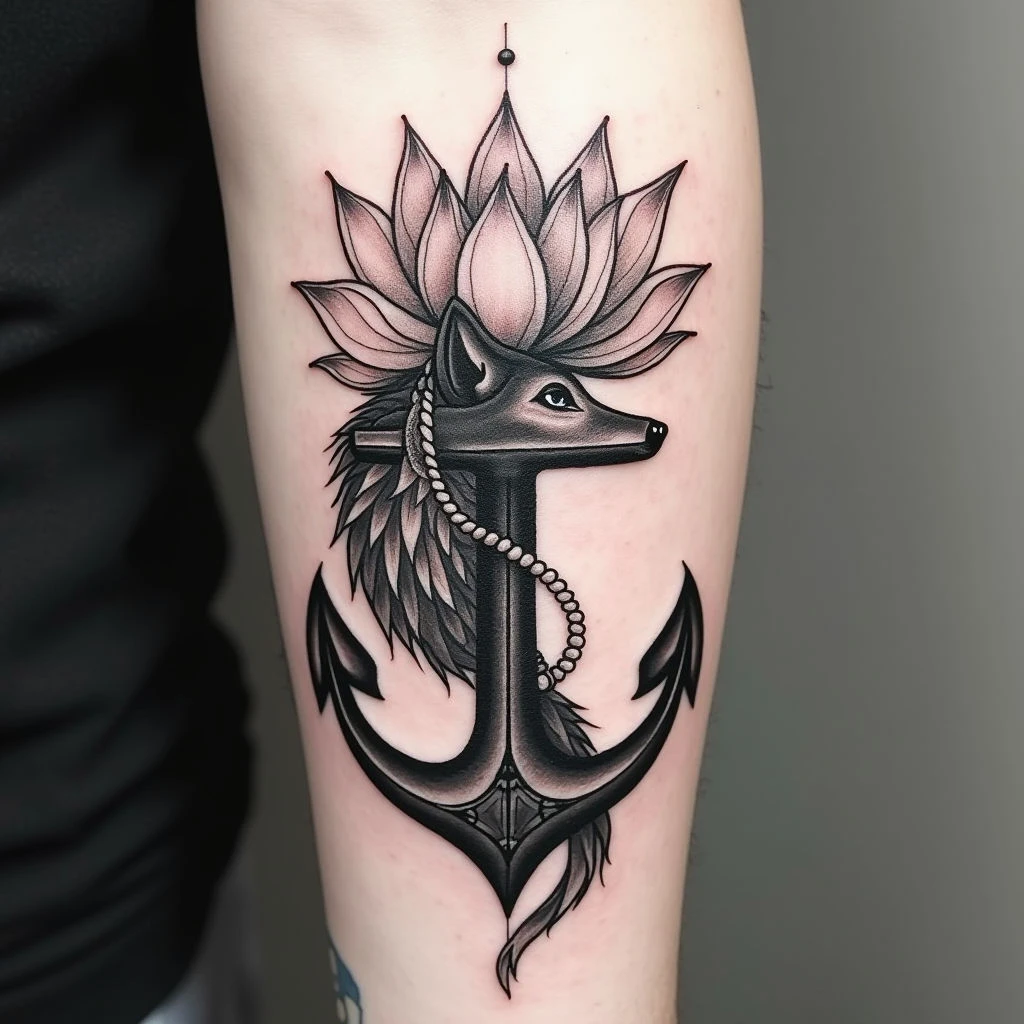
Many tattoo symbols have deep cultural significance. Think about it: a lotus flower in Buddhism represents purity and enlightenment, while Celtic knots speak to eternity and interconnectedness. Egyptian hieroglyphs were complex narratives—whole stories etched into stone. Taking the time to research the origins of your chosen symbol is key; it’s about honoring its meaning.
Personal Significance: What Does It Mean To You?
Of course, a tattoo's significance isn’t just about tradition. It can be deeply personal too. Maybe a hummingbird reminds you of someone special who’s passed on—a tiny tribute to their memory. Or perhaps a mountain symbolizes the challenges you’ve overcome and the strength it took to do so. Consider what truly resonates with you and let that guide your design.
Common Symbols & Their Meanings
Here's a quick look at some popular symbols—though remember, the meaning is always evolving and personal:
- Anchor: Stability, hope, steadfastness.
- Rose: Love, beauty, passion, remembrance.
- Wolf: Loyalty, family, intuition, guardianship.
- Tree of Life: Growth, strength, connection to nature and ancestry.
- Feather: Freedom, lightness, spirituality.
Choosing Wisely & Respecting Culture
It’s important to really understand the symbolism before you commit. And if you're drawing inspiration from a culture that isn't your own, be mindful of its appropriate usage and potential for cultural appropriation—do your research.
Chat with your tattoo artist too; they often have insights into different meanings and design variations. They can help you find the perfect way to express yourself through ink.