Tattoos aren't just ink; they’re visual stories etched onto our skin, carrying deep personal meaning. They mark moments, connect us to heritage, and express who we are.
Decoding the Symbols
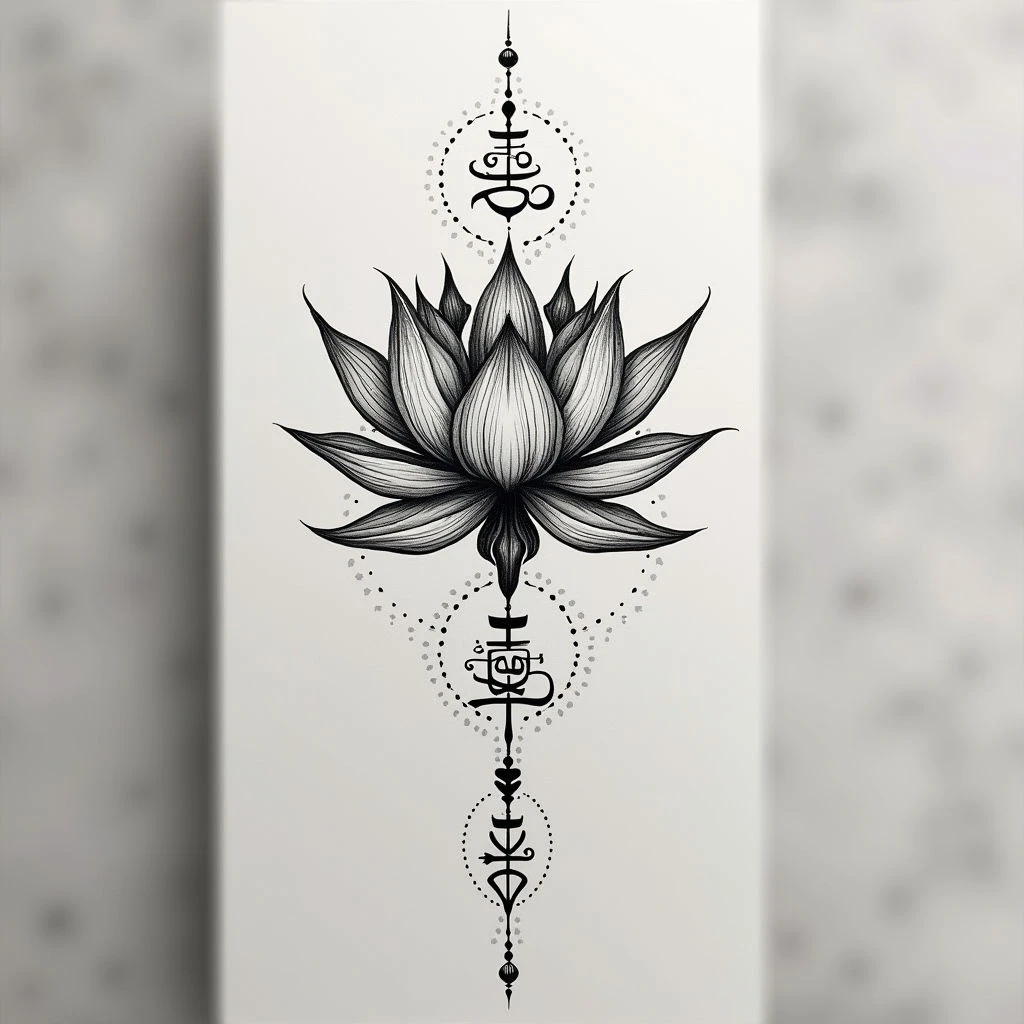
Meaningful tattoos often draw from a wealth of cultural and historical sources. Think about the lotus flower in Hinduism—it’s more than just a pretty image; it represents purity, enlightenment, and rebirth. Or consider the Hamsa hand, a protective symbol common in Middle Eastern cultures, believed to ward off negativity and bring good fortune. Sanskrit calligraphy can also add layers of meaning, infusing your tattoo with sacred mantras or powerful affirmations.
Cultural Roots & Respect
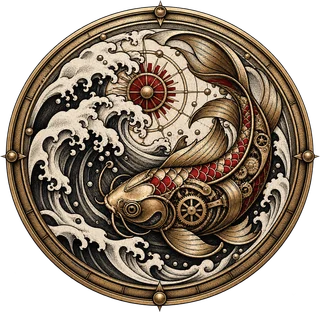
Every culture has its own unique visual language. Japanese Irezumi traditions, for example, often feature koi fish—a symbol of perseverance and strength. Polynesian tattoos (Tatau) are incredibly intricate, weaving patterns that reflect lineage, social standing, and personal history. It's vital to respect the origins and significance of these symbols when you incorporate them into your design.
Your Personal Narrative
Beyond cultural traditions, a tattoo can be deeply personal. It might mark a significant life event—a birthstone representing a loved one’s birthday, perhaps—or symbolize hope with a constellation design. Even a carefully chosen quote that encapsulates your philosophy can become a powerful piece of body art.
Bringing Your Vision to Life
Take the time to research symbols that truly resonate with you. And, crucially, consult with an experienced tattoo artist who understands the cultural significance of your chosen imagery. A well-considered meaningful tattoo is more than just decoration; it’s a lasting investment in yourself and a tribute to what matters most.