Throughout history, tattoos have been more than just decoration; they've served as powerful symbols—faith declarations, badges of honor, and intricate stories etched onto skin. During the medieval period, these visual statements held particular significance, appearing everywhere from illuminated manuscripts to heraldic crests.
Exploring Historically Rich Tattoo Designs
Tattoos with deep meaning offer a tangible connection to the past, allowing us to express personal beliefs and aspirations. Let's look at some designs that carry historical weight and symbolic resonance.
Illuminated Letters & Script
Inspired by the exquisite detail of medieval manuscripts, these tattoos can incorporate initials, meaningful words, or verses from treasured texts. The intricate flourishes and vibrant colors often found in illuminated letters translate beautifully to skin art.
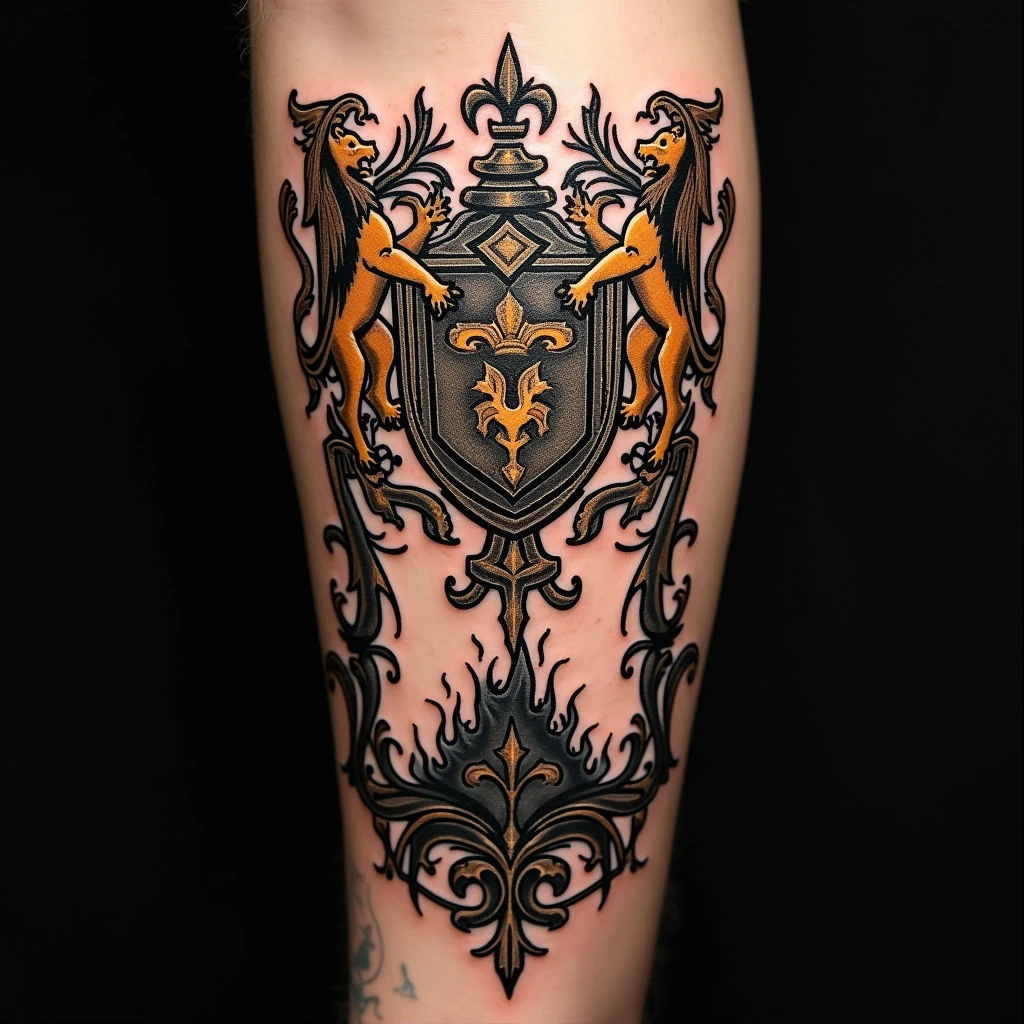
Heraldry & Coats of Arms
A coat of arms isn’t just a family crest; it's a visual representation of lineage, values, and history. Incorporating elements like lions, eagles, or fleurs-de-lis can signify courage, wisdom, or loyalty—qualities you might want to embody.
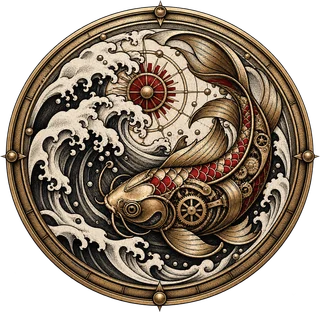
Medieval Bestiaries & Mythical Creatures
Medieval bestiaries were collections of animal descriptions, often blending real creatures with fantastical beings imbued with symbolic meaning. For example, a phoenix can represent rebirth, a griffin could symbolize strength and vigilance, or a unicorn might evoke purity and grace.
Manuscript Borders & Ornate Frames
The delicate borders that adorned medieval manuscripts can also be adapted into unique tattoo designs, framing a significant image or text and adding an air of historical elegance to any piece.