

Home > Categories > tattoo process techniques > Medical ID Tattoo Ideas: Designs, Placement & Symbolism

Explore medical ID tattoo designs - styles, placement, symbolism & aftercare. Find inspiration for discreet and stylish medical identification tattoos.

Medical ID Tattoos: A Guide to Design, Placement & Aftercare

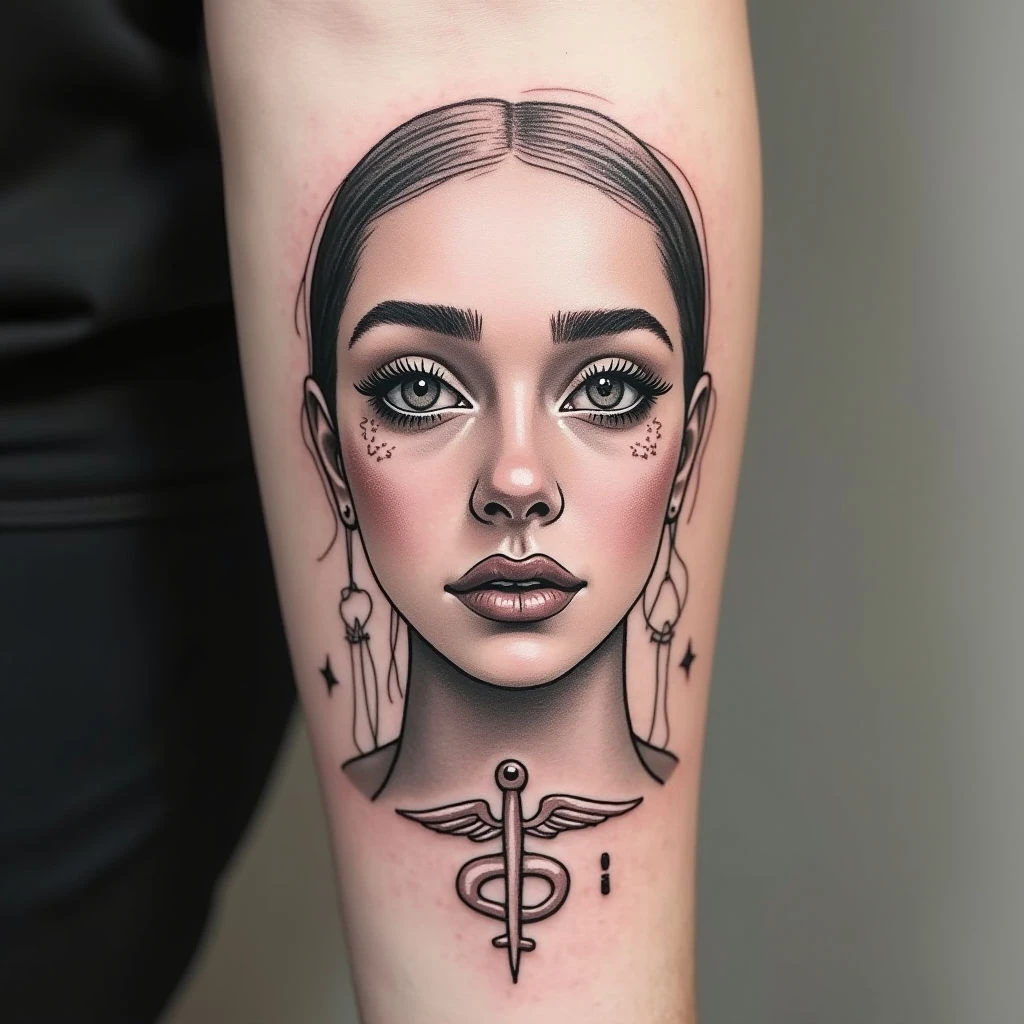
Medical ID tattoos provide a subtle way to carry crucial health information—a real lifesaver in emergencies. They're not just functional; these can also be beautiful works of art! This guide explores different medical ID tattoo ideas, covering design styles, placement options, symbolism, and essential aftercare.

Design Styles

Let's look at some popular design approaches. Each offers a unique aesthetic while ensuring your vital information is clear and accessible.

  • Minimalist

    A simple, straightforward font listing allergies, medical conditions, or blood type. This is a great choice if you prioritize clarity and want something subtle.

  • Neo-Traditional

    This style combines essential information with decorative elements, like floral borders or stylized symbols. It’s a nice balance of function and artistry.

  • Illustrative

    Incorporates a small image alongside the medical details. Maybe a heart for a cardiac condition, or an allergy symbol—a personal touch that's still informative.

  • Tribal/Dotwork

    Offers a distinctive, artistic approach. Just be sure the design prioritizes readability—it's crucial for medical identification.

Placement Considerations

Where you place your tattoo matters. Consider visibility and accessibility when choosing a location.

  • Wrist: A common, easily visible spot.
  • Ankle: More discreet than the wrist.
  • Collarbone: Provides easy access for medical professionals.
  • Upper Arm: Allows for larger designs if needed.

Essential Information

What should you include? Here's a checklist of vital information to have readily available.

  • Allergies (medications, food)
  • Medical conditions (diabetes, epilepsy)
  • Blood type
  • Emergency contact information
  • Critical medications you take

Personalization & Symbolism

While the primary purpose is medical identification, adding a personal touch can make it even more meaningful. Consider incorporating symbols that represent your strength or resilience—something that resonates with you.

Aftercare

Proper aftercare is essential for healing and preventing infection. Follow all instructions carefully, and always consult a reputable tattoo artist who specializes in medical ID tattoos.

Medical ID Tattoo Ideas: Designs, Placement & Symbolism

Home > Categories > tattoo process techniques > Medical ID Tattoo Ideas: Designs, Placement & Symbolism

Explore medical ID tattoo designs - styles, placement, symbolism & aftercare. Find inspiration for discreet and stylish medical identification tattoos.

Medical ID Tattoos: A Guide to Design, Placement & Aftercare

Medical ID tattoos provide a subtle way to carry crucial health information—a real lifesaver in emergencies. They're not just functional; these can also be beautiful works of art! This guide explores different medical ID tattoo ideas, covering design styles, placement options, symbolism, and essential aftercare.

Design Styles

Let's look at some popular design approaches. Each offers a unique aesthetic while ensuring your vital information is clear and accessible.

  • Minimalist

    A simple, straightforward font listing allergies, medical conditions, or blood type. This is a great choice if you prioritize clarity and want something subtle.

  • Neo-Traditional

    This style combines essential information with decorative elements, like floral borders or stylized symbols. It’s a nice balance of function and artistry.

  • Illustrative

    Incorporates a small image alongside the medical details. Maybe a heart for a cardiac condition, or an allergy symbol—a personal touch that's still informative.

  • Tribal/Dotwork

    Offers a distinctive, artistic approach. Just be sure the design prioritizes readability—it's crucial for medical identification.

Placement Considerations

Where you place your tattoo matters. Consider visibility and accessibility when choosing a location.

  • Wrist: A common, easily visible spot.
  • Ankle: More discreet than the wrist.
  • Collarbone: Provides easy access for medical professionals.
  • Upper Arm: Allows for larger designs if needed.

Essential Information

What should you include? Here's a checklist of vital information to have readily available.

  • Allergies (medications, food)
  • Medical conditions (diabetes, epilepsy)
  • Blood type
  • Emergency contact information
  • Critical medications you take

Personalization & Symbolism

While the primary purpose is medical identification, adding a personal touch can make it even more meaningful. Consider incorporating symbols that represent your strength or resilience—something that resonates with you.

Aftercare

Proper aftercare is essential for healing and preventing infection. Follow all instructions carefully, and always consult a reputable tattoo artist who specializes in medical ID tattoos.