
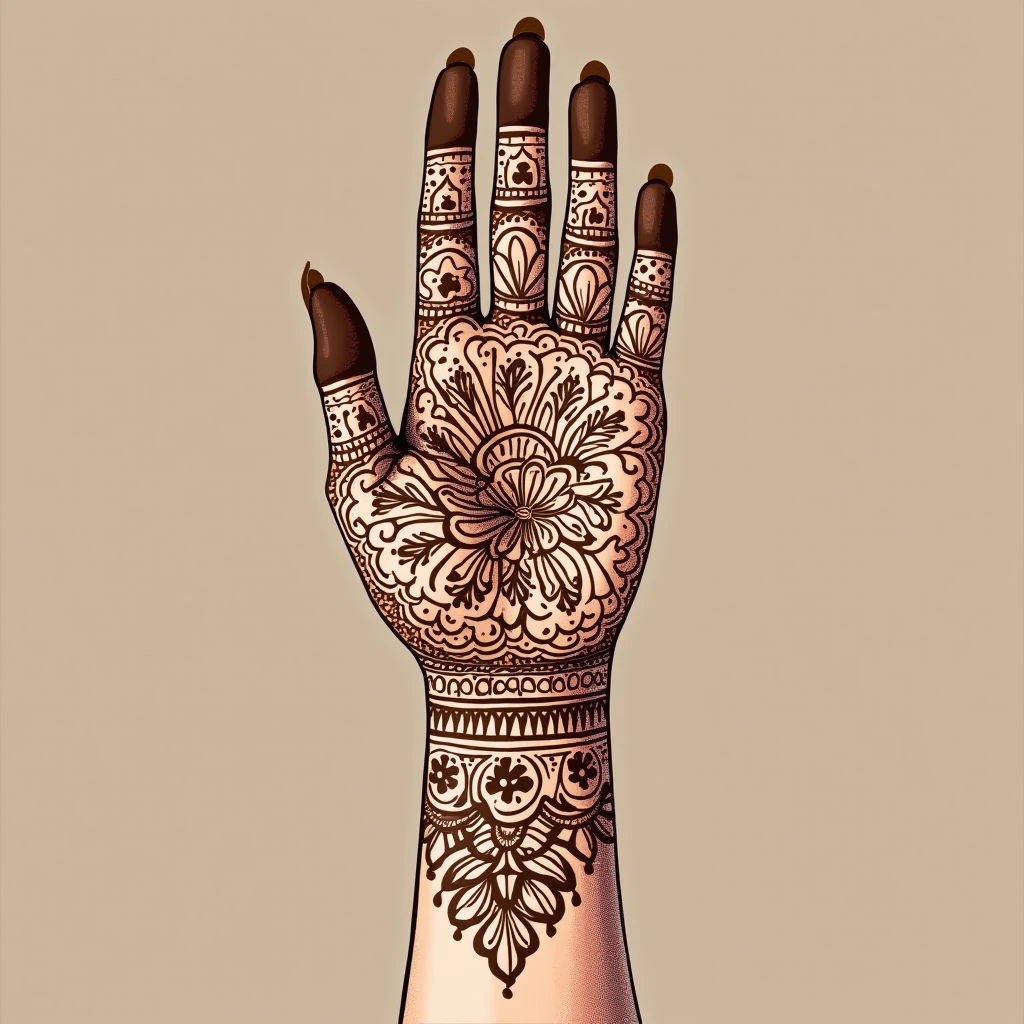
Mehndi, also known as henna, is an ancient art form deeply rooted in tradition and symbolism. It's more than just temporary body decoration—these intricate designs carry significant cultural meaning, especially in South Asian countries like India, Pakistan, Bangladesh, and Nepal.
Exploring Mehndi Styles
To truly appreciate this beautiful practice, understanding the names and styles of Mehndi patterns is key. Let's take a look.
Traditional Styles & Names
Here’s a breakdown of some common Mehndi styles:
- Arabic Mehndi: Characterized by bold floral motifs and large, teardrop-shaped circles. It's often simpler than other styles and prized for its elegance.
- Indian Mehndi: These are intricate and detailed patterns that cover the hands and feet. You’ll frequently see paisleys (buta), vines, depictions of deities, or auspicious symbols like elephants or peacocks woven into the design.
- Pakistani Mehndi: A beautiful blend of Indian and Arabic styles, Pakistani Mehndi is known for its dark color and complex arrangements—often incorporating elements that symbolize blessings and prosperity.
- Moroccan Mehndi: This style stands out with its bold geometric patterns and sometimes uses black henna (though caution is definitely advised – more on that below).
Decoding the Symbolism
The symbols used in Mehndi designs aren't just decorative; they hold deep meaning. Here are a few examples:
- Paisley (Buta): Represents fertility, abundance, and love—powerful wishes for the future.
- Peacocks: Symbolize beauty, grace, and royalty; a truly regal touch.
- Elephants: Represent strength, good luck, and wisdom—a blessing of protection and prosperity.
- Lotuses: Symbolize purity, enlightenment, and rebirth—a beautiful representation of new beginnings.
Important Safety Considerations
While traditional henna is generally safe when applied by a skilled artist, it's crucial to be aware of the risks associated with 'black henna.' This isn’t true henna; it often contains chemical dyes that can cause severe allergic reactions. Always do your research and ensure your artist uses natural henna.