
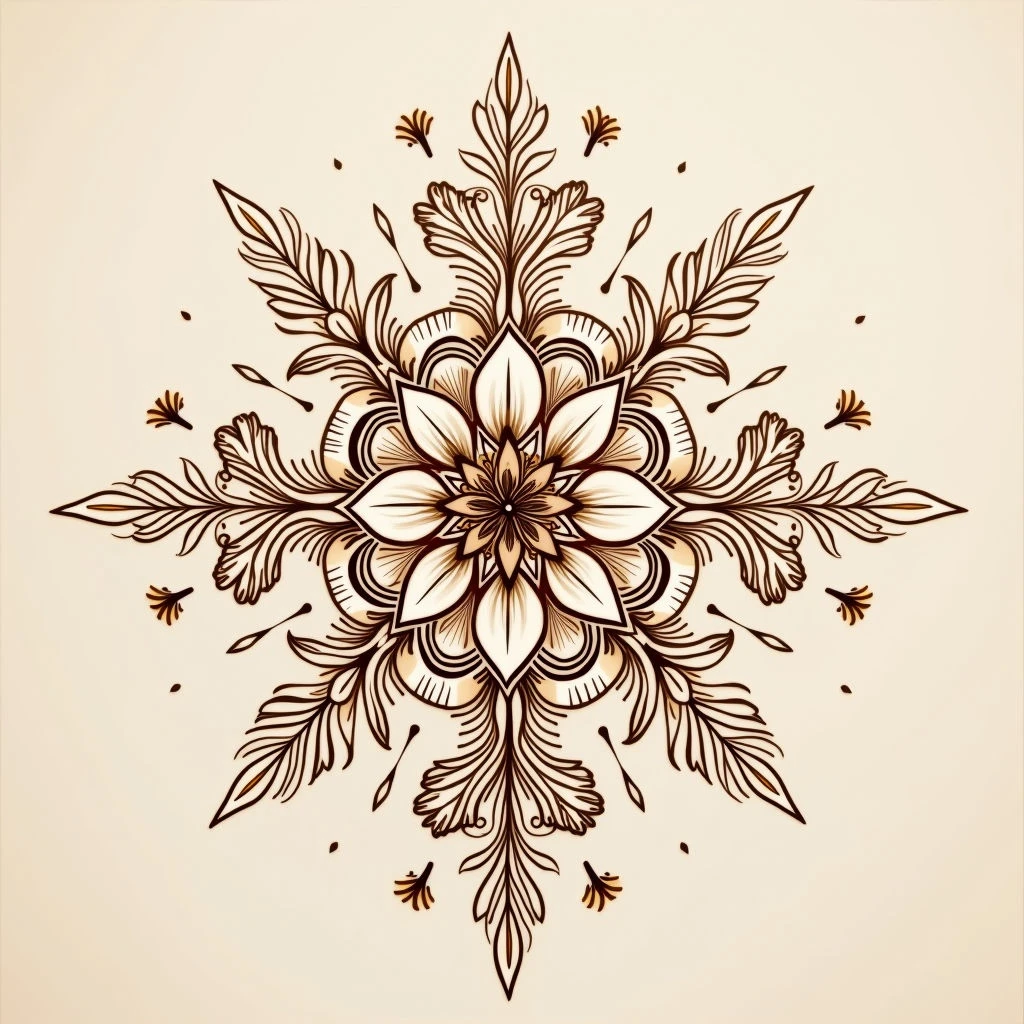
Mehndi—also known as henna—is an ancient art form deeply rooted in South Asia, the Middle East, and Africa. It's about staining skin with a paste from the henna plant to create stunning temporary designs. You’ll often see these intricate patterns at weddings, festivals, and religious ceremonies.
A Look Back: The History of Mehndi
Mehndi's story stretches back thousands of years. Initially used for its medicinal properties and as a way to cool down in hot weather, it gradually transformed into an elaborate decorative tradition. These designs have been lovingly passed down through generations, each region adding its own unique cultural flair.
Decoding the Symbols: What Mehndi Designs Mean
The beauty of mehndi isn't just visual; each element often carries a deeper meaning. Here’s a glimpse:
- Paisley (Buta): Represents fertility and growth—a wish for abundance.
- Peacock: Symbolizes beauty, grace, and good fortune; a truly auspicious sign.
- Flowers: Represent love, happiness, and prosperity—a celebration of joy.
- Geometric Patterns: Can represent balance, harmony, and strength; a grounding influence.
Exploring Diverse Mehndi Styles
(Imagine a gallery of images showcasing these styles here)
- Traditional Indian Mehndi: Think bold, dark patterns covering large areas—often with intricate florals and paisleys.
- Arabic Mehndi: Known for its elegant, elongated designs that flow gracefully along the fingers and wrists; delicate lines are key, sometimes incorporating Arabic calligraphy.
- Moroccan Mehndi: Distinctive geometric patterns and symmetrical arrangements—it often uses a wider range of colors than traditional Indian styles.
- Gujarati Mehndi: This style typically covers most of the hand and arm, featuring detailed depictions of deities, animals, and symbolic elements; it’s generally considered more complex to apply.
Choosing Your Perfect Design
Consider the occasion, your personal style, and how intricate you want it to be. Browse images online or in magazines for inspiration—there are endless possibilities! Don’t hesitate to ask a mehndi artist for advice; they can help you create something truly special.
Aftercare Tips for a Lasting Stain
To get the best, longest-lasting stain, keep the mehndi paste on your skin for as long as possible—usually 2 to 4 hours. Avoid water exposure immediately afterward and apply natural oils like eucalyptus or lemon oil to help deepen the color.