
Covering a name tattoo can feel like a big decision, especially when it carries emotional significance. It's not just about hiding something; it’s about transforming it into something new and beautiful. Let's explore some ideas—specifically focusing on botanical realism, which is fantastic for older tattoos.
Understanding the Challenge
Before we get to design options, a crucial point: covering dark or densely inked tattoos often requires more than just a quick fix. Expect more coverage and potentially several sessions. A skilled artist will carefully evaluate your existing tattoo—its density, color saturation, and even your skin tone—to figure out the best approach.
Botanical Realism: Nature’s Camouflage
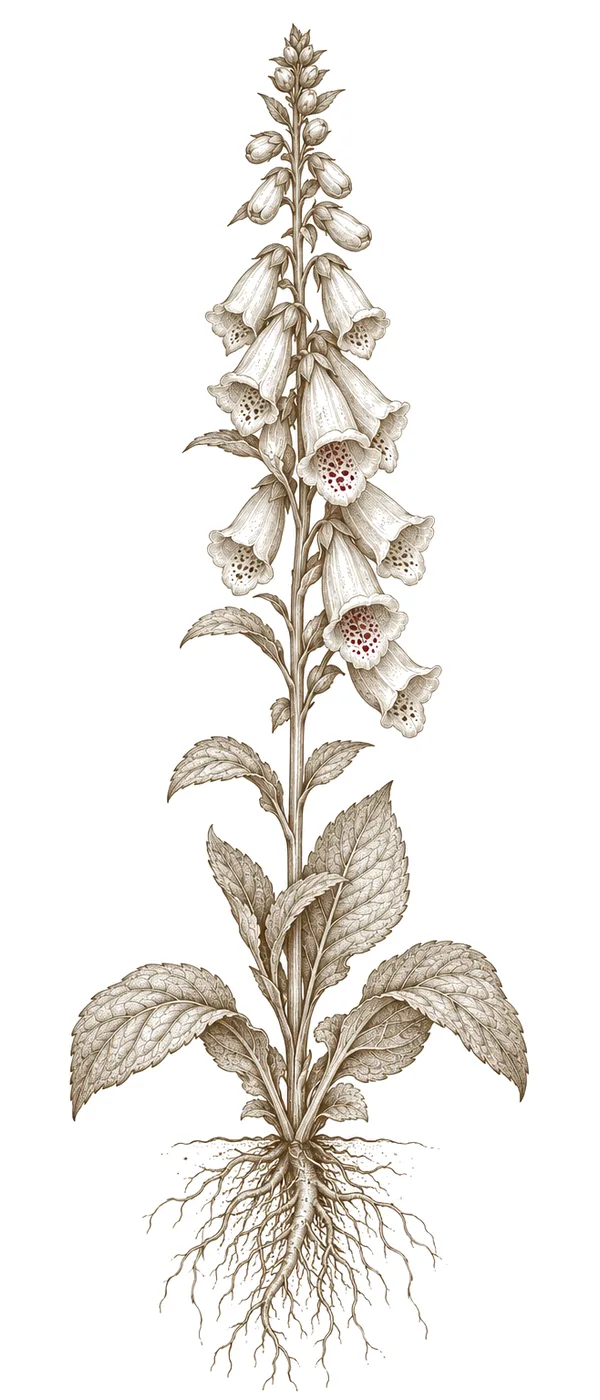
Why botanical realism? The intricate details, layered elements—leaves overlapping, vines twisting—and the ability to use a wide range of colors make it great for camouflage. A realistic floral or foliage design has depth that can easily hide text.
Floral Sleeves
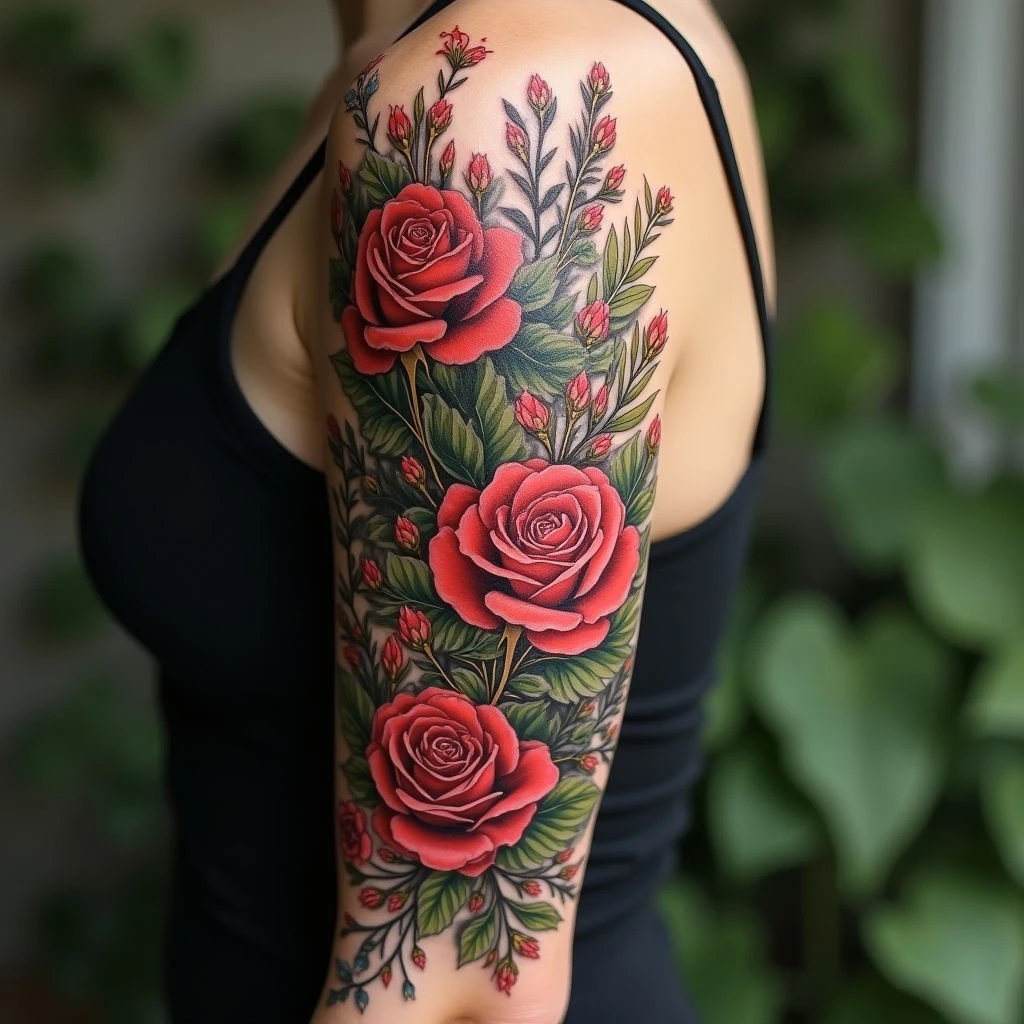
A cascading sleeve of roses, peonies, or wildflowers is always an option. The artist can strategically place the new blooms to obscure the name while creating a striking piece.
Vine & Leaf Wraps
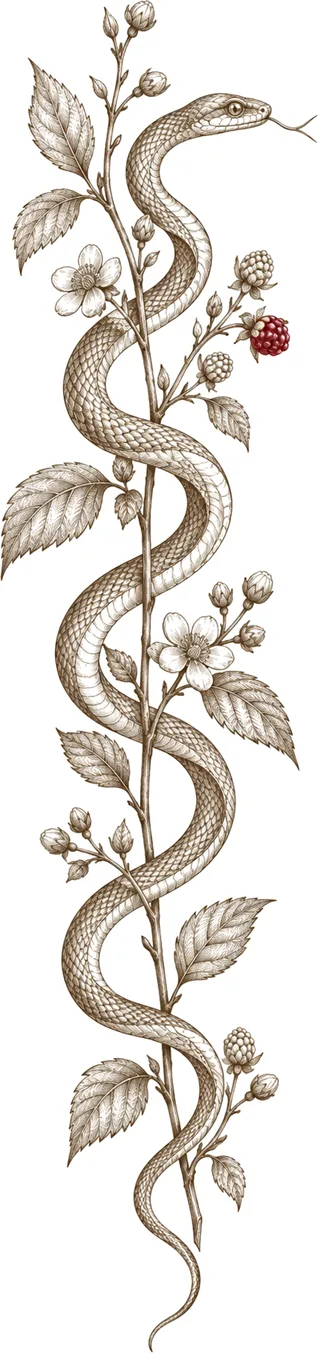
A winding vine with lush leaves offers excellent coverage and allows for creative freedom in placement. Adding berries or small flowers along the vines can really enhance the detail.
Forest Scenes
Imagine a miniature forest scene—trees, ferns, woodland creatures—transforming your name tattoo into a captivating work of art. The layering of foliage is perfect for obscuring text.
Seasonal Flora
Consider plants that resonate with you or represent a significant time in your life. Spring blossoms, summer wildflowers, autumn leaves, winter evergreens—each season offers unique possibilities.
Important Considerations
- Artist Selection: Find an artist who specializes in cover-ups and botanical realism. Their expertise is essential.
- Consultation: A thorough consultation is key to discussing your vision, assessing the existing tattoo, and planning the design and process.
- Size & Placement: The new design will likely need to be larger than the original tattoo for complete coverage. Careful placement is important.